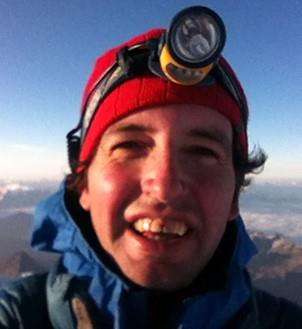
I am off to climb Kilimanjaro via the Machame Route on Saturday and faced with a mountain of kit and equipment I have prepared this comprehensive gear list for Kilimanjaro. Hopefully I haven’t forgotten anything!
Having the correct clothing & personal equipment will make your Kilimanjaro climb more enjoyable and comfortable. I hope that you find the following suggestions useful when considering what to take on your trip. They are based on my own experience and neither exhaustive nor prescriptive as everyone has their own personal preferences.
On most routes on Kilimanjaro (apart from Marangu) you will be camping during the climb and food is prepared by your guides so you do not need to bring cooking or eating utensils.
For detailed climate information on Arusha visit Weather2Travel. You will pass through several climatic zones during the climb and as you climb towards the summit it will be very cold.
Hire Gear:
Your local agents may have a limited amount of hire gear available in Arusha. It is often a good idea to hire sleeping bags and down jackets if this is going to be a one off experience for you and you don’t use this type of gear normally. Alternatively if travelling from the UK you may like to consider Trek Hire UK, who hire a huge range of trekking equipment.
If you have any further queries regarding clothing or equipment we suggest you visit your local specialist outdoor clothing retailer or give us a call to speak to one of our trekking experts.
Baggage:
Day Pack: During the climb your baggage will go ahead of you with the porters so you carry a day pack with all you need during the day. We recommend a 20 – 40L pack that is comfortable and has a waistband. Your daypack contents should include 2-4L of water, snacks, lunch, spare clothes required during the day, waterproofs, hats, gloves, sunglasses, passport, money and your camera.
Gear Bag: Your gear bag will be moved by a porter and you will not have access to it between camps. Bags must be of a duffle bag (ideal) or backpack design and weigh a maximum of 15kg. It will be placed in a waterproof bag during the climb. Hard cases are not suitable for this trek. Extra luggage that is not required during the climb can be stored at your hotel in Arusha.
Boots /Camp Shoes
Boots: Good, waterproof hiking boots are essential. Good quality three season boots offer good ankle support, comfort and warmth and are essential. You should ensure these are well worn in prior to your climb.
Camp Shoes: A pair of trainers or Teva type sandals are ideal for evenings and in Arusha.
Clothing:
Using the Layering System: The temperature will vary considerably according to the altitude and time of day. The layering system works best to cope with the variation in temperature as you can quickly and easily add or remove layers as needed to stay comfortable. At lower altitudes and during the day the days are normally warm and sunny but the temperature drops quickly at night and can reach -20C at altitude.
The layering system consists of:
Base Layer – high wicking, close fitting tights and top.
Mid Layer – a warm mid layer consisting of fleece or similar materials.
Outer layer – A breathable waterproof and windproof jacket and trousers.
Extra Warm Layer – A down jacket for use at night is pretty much essential and you may even wear it while climbing on very cold mornings.
Accessories: This system is then supplemented with gloves, hats, buffs etc that you can take on and off quickly to regulate temperature.
Clothing List:
• Walking Boots –Three season trekking boots. Good ankle support and well broken in.
• Comfortable shoes/sandals – for wearing in the evenings around camp.
• Walking Socks – Good walking/trekking socks. If you buy good walking socks wearing one pair is fine but some people prefer two pairs. (3 Pairs are normally sufficient and I would suggest packing one really warm pair).
• Gaiters
• Thermal Base Layer – Merino Wool is the best as you can wear for weeks without washing, synthetic is also fine. (2 sets)
• Fleece Trousers – I use power fleece which are great for walking in on really cold days and also for sleeping in when it’s cold.
• Walking trousers (Zip-offs are great) – 1 or 2 pairs. (No Jeans)
• Shorts (1 or 2 pairs if not taking zip-off trousers)
• Waterproof Jacket (Goretex or other breathable fabric).
• Waterproof Over trousers(Goretex or other breathable fabric)..
• Long sleeved trekking shirt.
• T-shirts/Walking T-shirts.
• Thin Fleece Jacket/Top (Often called micro-fleece) – 2
• Thick Fleece Jacket/Top – 1
• Sun hat and sun/snow glasses.
• Warm Hat or Balaclava
• Gloves (one pair thinner and one pair very warm)
• Buff or Neck Gaiter.
• Down Jacket (Available to hire in Arusha)
• Travel Towel
Essential Equipment:
• Duffle Bag/Rucksack – To be carried by porter. I would recommend a good duffle bag of between 70-90L as they are generally waterproof, lockable and easy to access. North Face and Mountain Equipment both make excellent bags. The maximum weight for this bag on trek is 15KG.
• Daypack/Rucksack – A good day pack of between 25 – 40L for carrying spare layers, water, camera, snacks etc.
• 4 Season Sleeping Bag (Rated to between -15 & -20ºC) – Down sleeping bags are generally best as they are lighter and pack down smaller but synthetic bags are also fine. Sleeping bags are available to hire in Arusha.
• Water Bottle and/or Camelback (4 Litres) + purification tablets/system.
• Head torch + Batteries (Including spare bulb and batteries)
• Books/Guides/Maps as preferred.
• Pocket Knife/Leatherman/Swiss Army Knife.
• Camera – I would recommend taking spare batteries and film.
• Money Belt/Pouch
• Waterproof liner for both bags.
• Walking poles are becoming more popular. I use and recommend them. A pair is best but many walkers start with just one. Leki Makalu anti-shock poles are some of the best although there are numerous brands on the market.
• Large plastic bin liners and Ziploc storage bags of various sizes for keeping your kit dry.
• Energy bars and snacks – 2 per day
Toiletries, Health & Medical Kit:
• First Aid Kit – Our guides carry a first aid kit for emergencies but you should carry a personal first aid kit for your own needs. You are trekking in a remote area your personal first aid kit should reflect this. It should include wound dressings, antiseptic wipes, antiseptic cream, crepe bandages, triangular bandages, blister kit (plasters and Compede) etc. You can buy excellent readymade kits from outdoor shops or pharmacies.
• Sun block & Lip balm – 30+ SPF
• Medication – Please take sufficient quantities of any prescription medication you need for the duration of your trip. Additionally you may want to take a supply of medication that you use occasionally for headaches, aches and pains, sickness and diarrhoea as these are the most common ailments that affect climbers. We suggest you bring as much as you need of the following:
o Anti-malarial prophylactics
o General Antibiotic
o Diamox (Altitude – see the guidebook for further advice)
o Ibuprofen
o Paracetemol
o Diarrhoea medicine (Immodium)
• Toiletries – A toilet tent is provided each night and a small quantity of water for washing. Pack toothbrush & paste, floss, hand and face cleansers. Baby wipes are excellent for a quick freshen up.
• Waterless Anti-Bacterial Soap (Drywash) – Essential for washing your hands and good hygiene.
Water Purification:
Your trekking crew should provide you with sufficient purified drinking water each day but I would recommend you carry purification drops, tablets or a filter in case you run short of water during the day.
• It is important that any water you drink is safe. You can do this by one of several means.
• Bottled Water (in Arusha) – Not recommended as expensive and has a high environmental cost.
• Boiled Water – All lodges will supply flasks of freshly boiled water/tea/herbal tea at a small charge, which is safe to drink and is my preferred option.
• Iodine drops or purification tablets – A good safe option although can leave water with an unpleasant aftertaste.
• Water Filters & Electronic Sterilisers – These are widely available in outdoor shops and are a more expensive option although the water generally does taste better than drops/tablets.
Acute Mountain Sickness Medication:
• Most itineraries from responsible trekking operators are designed to minimise the chance of you suffering from altitude sickness, but it is the greatest threat to health when trekking at high or very high altitude. You will hear much discussion on trek relating to the use of a drug called Diamox which can be used to prevent altitude sickness when gradual ascent is not possible. We do not recommend the use of Diamox but if you do decide to use it you can obtain it from your GP.
• We strongly recommend you read the Fit For Travel Website’s advice regarding Acute Mountain Sickness prior to travel which is available here: http://www.fitfortravel.scot.nhs.uk/advice/travellers/acutemountainsickness.htm
Have I forgotten anything? Do you have any suggestions or top tips for clothing, equipment or kit for climbing Kilimanjaro?
If you are looking for a top quality operator for your Kilimanjaro climb why not try Macs Adventure Holidays?


{ 1 comment… read it below or add one }
Hello. I simply want to observe that what you give us here is really the best sharing so I have post http://www.macsadventure.com/blog/kilimanjaro-gear-list on my Digg profile so everybody can have the possibility to enjoy. I was glad when I saw this tittle, Kilimanjaro Gear List, on google search, and the reason is that in the end I found what I was looking for. All the best
Holidays you may be interested in
7 Days & 7 Nights
March - October
Difficulty: Fit
Comfort: Moderate
Walk the West Highland Way
The West Highland Way is the finest long distance walking trail in Scotland. A rewarding journey through an ever changing landscape as you journey 95 miles from Milngavie (Glasgow) to Fort William. The beautiful landscape of the Loch Lomond and Trossach's National Park and the western highlands, the isolated country hotels and great camaraderie make for an unforgettable walking holidayWestern Highlands of Scotland
from £435
More information Supplied by: Macs Adventure
5 Days & 6 Nights
March - October
Difficulty: Fit
Comfort: Comfortable
Camino de Santiago Final Stage- Sarria to Santiago
Self guided walking tour of the the final 113km of the Camino de Santiago from Sarria to Santiago de Compostela. This tour allows you to earn your Compostela as you have walked over 100kmCamino Frances Pilgrimage in Northern Spain
from £345
More information Supplied by: Macs Adventure
7 Days & 8 Nights
March - October
Difficulty: Challenging
Comfort: Comfortable
Camino Stage 1: St Jean Pied de Port to Logrono
Walk the first stage of the Camino de Santiago from St-Jean-Pied-de-Port to Logrono. This section is fairly tough with some steep climbs through the Pyrennes between the border from France to SpainThe Camino Pilgrimage in Northern Spain
from £525
More information Supplied by: Macs Adventure
6 Days & 7 Nights
March - October
Difficulty: Challenging
Comfort: Moderate
Hadrian's Wall Path Walk
On this itinerary you will have plenty of time to enjoy the delights of Hadrian's Wall Country but still feel well exercised each dayNewcastle-upon-Tyne to Bowness-on-Solway
from £430
More information Supplied by: Macs Adventure
8 Days and 7 Nights
2nd July - 17th Sep
Difficulty: Fit
Comfort: Moderate
Aletsch Glacier Alpine Panorama
Stretching from the southern slopes of Jungfraujoch, just beneath the Eiger in the Bernese Alps to the dry mountain range in the Valais area. Sweeping alpine scenery, impressive 360 degree views, forest trails, colourful wild flowers and lush green valleysSwitzerland
from £995
More information Supplied by: Macs Adventure