It’s time to stop large scale charity challenges on Ben Nevis before we ruin this precious resource.
The Telegraph reports on the damage caused by Ben Nevis Charity Challenges:
Among the environmental problems reported have been hillsides and verges scarred by hikers, streams polluted with human waste and residents’ sleep disturbed by vehicles at night.
Charity Challenges are not only damaging a fragile mountain environment but these large scale events cause disruption and nuisance to other responsible users of Ben Nevis and other popular mountain environments.
As a mountain leader I have climbed Ben Nevis over 100 times, mostly with small groups of between 1 and 15 people and I am constantly amazed by the total disregard that charity walkers show for the mountain environment. Because most people taking part in the Three Peaks challenge are under time constraints they have an incentive to take shortcuts, barge past other walkers and generally be a nuisance – causing far more damage than their numbers indicate.
Three peaks groups on charity events are generally not accompanied by a qualified guide, have precious little previous experience of mountain environments and are clearly not briefed on mountain etiquette or environmental best practice.
Merseyventure, based in Liverpool, say they limit groups to 200. This is laughable and shows their ignorance as to sound environmental practice. A group of 200 people is a vast swathe of people on the trail and has a profoundly negative impact on other trail users. It is also impossible to control, brief and monitor a group of this size once they are on the mountain, so there will always be individuals who cause environmental damage. That said, it is a improvement on other organisers who send literally thousands onto the mountain at one time.
5 Ways to Improve the Management of Ben Nevis Charity Challenges:
- All organisers should be registered and hold a valid permit to organise an event. (They are running commercial events and therefore access is subject to the permission of the land manager. )
- The Nevis Partnership/Land Managers should monitor, educate and enforce minimum standards by having visible staff/volunteers on the mountain.
- All organisers should pay a per person charge for access to the mountain, which goes back into conservation. I suggest £10.
- All organisers should adhere to an enforceable Code of Practice, which stipulates minimum safety standards, leader ratios, start times and environmental standards.
- The maximum group size for any challenge event should be limited to 50.
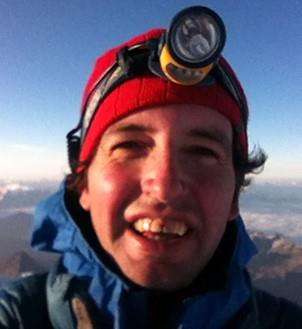
It’s time to get tough on the unchecked exploitation of Ben Nevis and as a commercial operator on Ben Nevis we would be more than happy to support all of the above initiatives.


{ 3 comments… read them below or add one }
You make some ill informed statements here Neil. As a charity event organiser I feel I must challenge some of your comments.
I know for a fact that no organiser sends “literally thousands onto the mountain at one time”! Additionally, not all organisers subscribe to the 200 on a mountain ethos! We specifically limit numbers on our event to 6 teams of 6. Each team is led by a Mountain Leader (you use the term “guide” which is another qualification altogether) and all teams receive a safety brief in a local hotel which includes a section on environmental issues.
We use staggered starts which avoids the “swathe” of people heading up the Pont Track.
We liaise on a regular basis with all landowners/stakeholders and support some of these financially, which includes an already sizeable sum to the Highland Council for use of their car park in Glen Nevis.
From a safety point of view we run a training event prior to the Three peaks Challenge to ensure navigation skills are up to speed and that participants understand all the issues surrounding the event. On the event itself each team is required to carry all items on our kit list plus safety stores we issue them with. We monitor each team via VHF radios to our control point at the base. Most of our Leaders are members of local MR teams and know the mountains far better than anyone.
I agree regulation is needed to bring those companies not operating a best practice policy are brought into line. However, some of us are self-regulating and object to being tarred with the same brush!
Hi Jim,
Thanks for your comments. It sounds like you operate to the highest safety standards and best practice on the Ben, which is to be commended. Many operators would do well to follow your lead.
I take your point with regards group numbers, perhaps I was exaggerating, but I am sure you will have come across three peaks groups of several hundred participants on the mountain. When combined with several other large groups over the peak June/July period the numbers can be overwhelming. I would also like to clarify that I meant mountain leaders, not guides, I fully appreciate the difference but most participants do not.
I am in total agreement with yourself that there are responsible operators who prioritise client safety and environmental protection, who are to be commended.
Unfortunately there are many who are not as contentious and as challenges on Ben Nevis become increasingly popular the resource is going to come under ever more pressure.
Perhaps there is scope for responsible operators to join together with the Nevis Partnership and other interested parties to draw up a good practice guide and put in place a system for regulating the total number of charity challenge participants on a given day.
This would reduce pressure on the mountain, increase safety standards, improve the experience of charity challenge participants and other users of the mountain.
I hope you would be interested in such a partnership.
Regards
Neil
Informative stuff, although I guess in some cases a little more knowledge about the subject wouldnt do any harm.