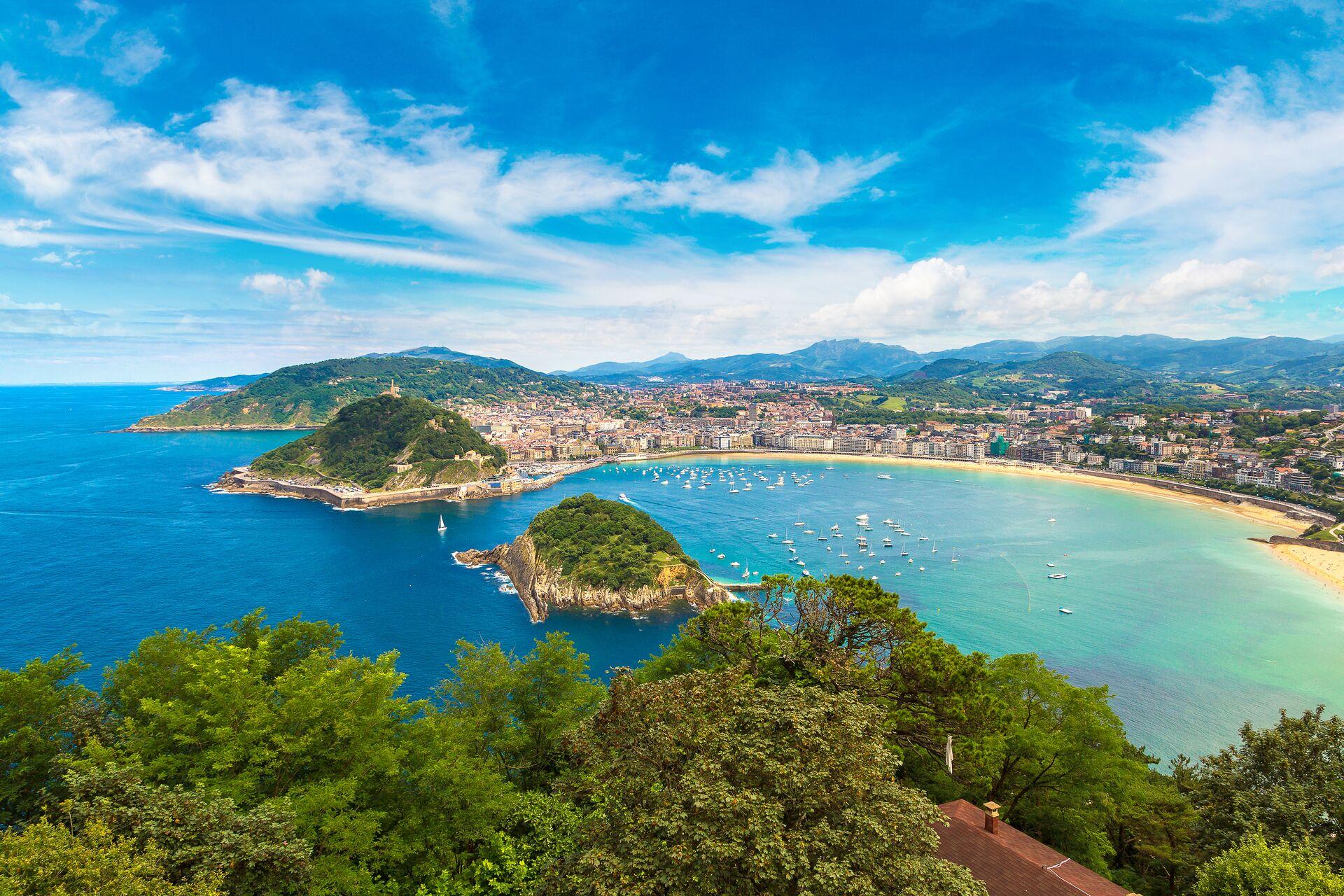
Guide to Walking the Camino del Norte
Read our Camino Del Norte Travel Guide. Get further insight into the key areas of this fantastic walk in Northern Spain.

- By Kirsty Schneider
- 7 min read
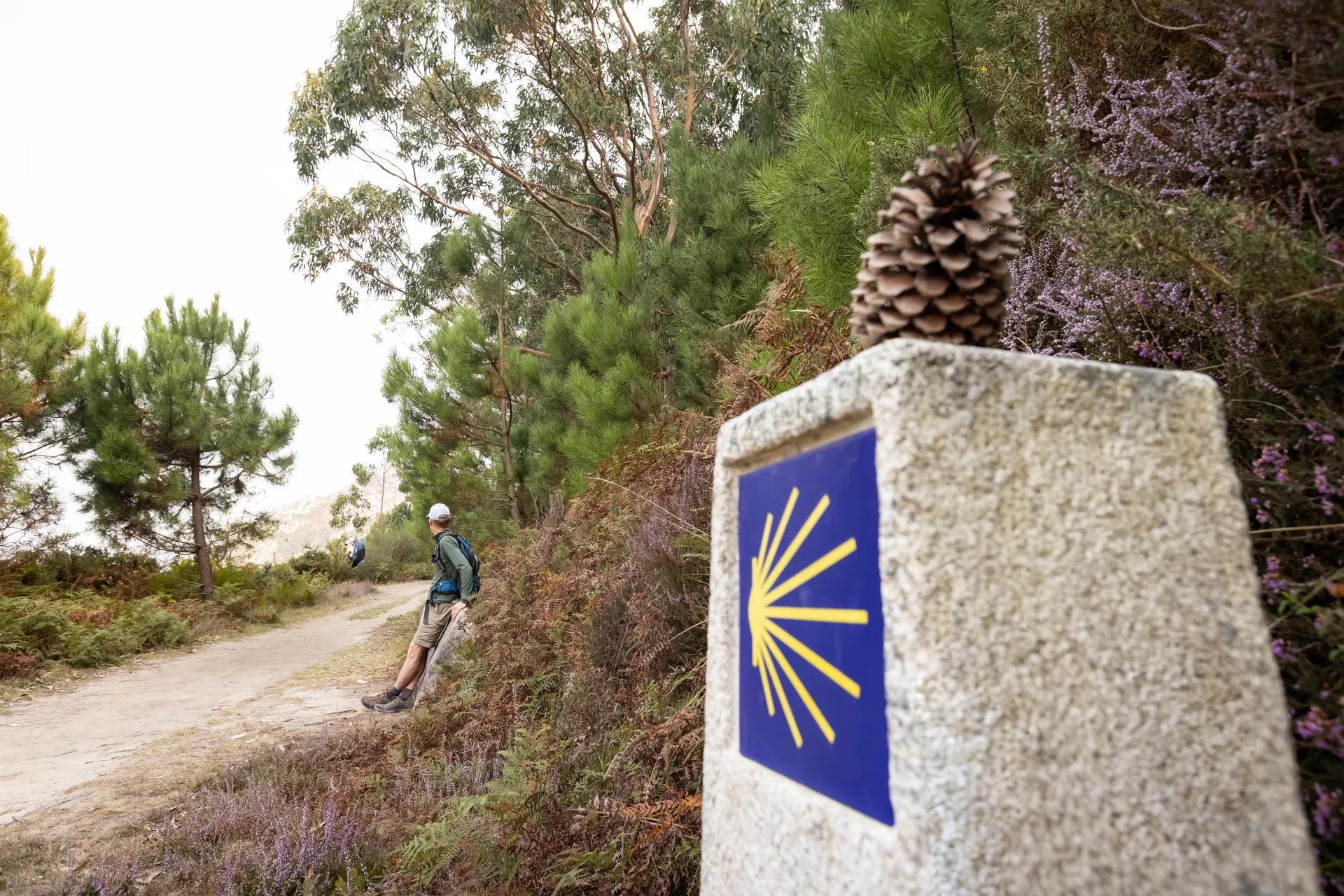
Wild, rugged, and refreshingly uncrowded, the Camino del Norte offers a very different Camino experience. Tracing Spain’s northern coastline from the Basque Country to Galicia, this route blends dramatic sea views with rich culture, exceptional food, and a quieter, more contemplative atmosphere than the more popular Camino Francés.
If you’re drawn to coastal landscapes, cooler hiking conditions, and a Camino that feels a little more off the beaten path, the Camino del Norte could be exactly what you’re looking for.
Best Time to Walk the Camino del Norte
Best Time for Hiking
The best time to walk the Camino del Norte is between May and October, when services are fully open, and weather conditions are most reliable.
- May-June: Lush green landscapes, fewer crowds, and comfortable temperatures
- July-August: Warmest months, but still cooler than inland routes
- September-October: Quieter trails, softer light, and ideal walking conditions
Optimal Weather for Hiking
Thanks to its coastal location, the Camino del Norte enjoys milder temperatures than southern Spain. Expect:
- Average daytime temperatures of 15-25°C (59-77°F)
- Occasional rain, especially in spring and autumn
- Refreshing sea breezes during summer
It’s worth noting that this region is greener for a reason-pack for mixed conditions.
Difficulty & Terrain
The Camino del Norte is considered moderate to challenging, particularly compared to the Camino Francés.
- Frequent ascents and descents along the coastline
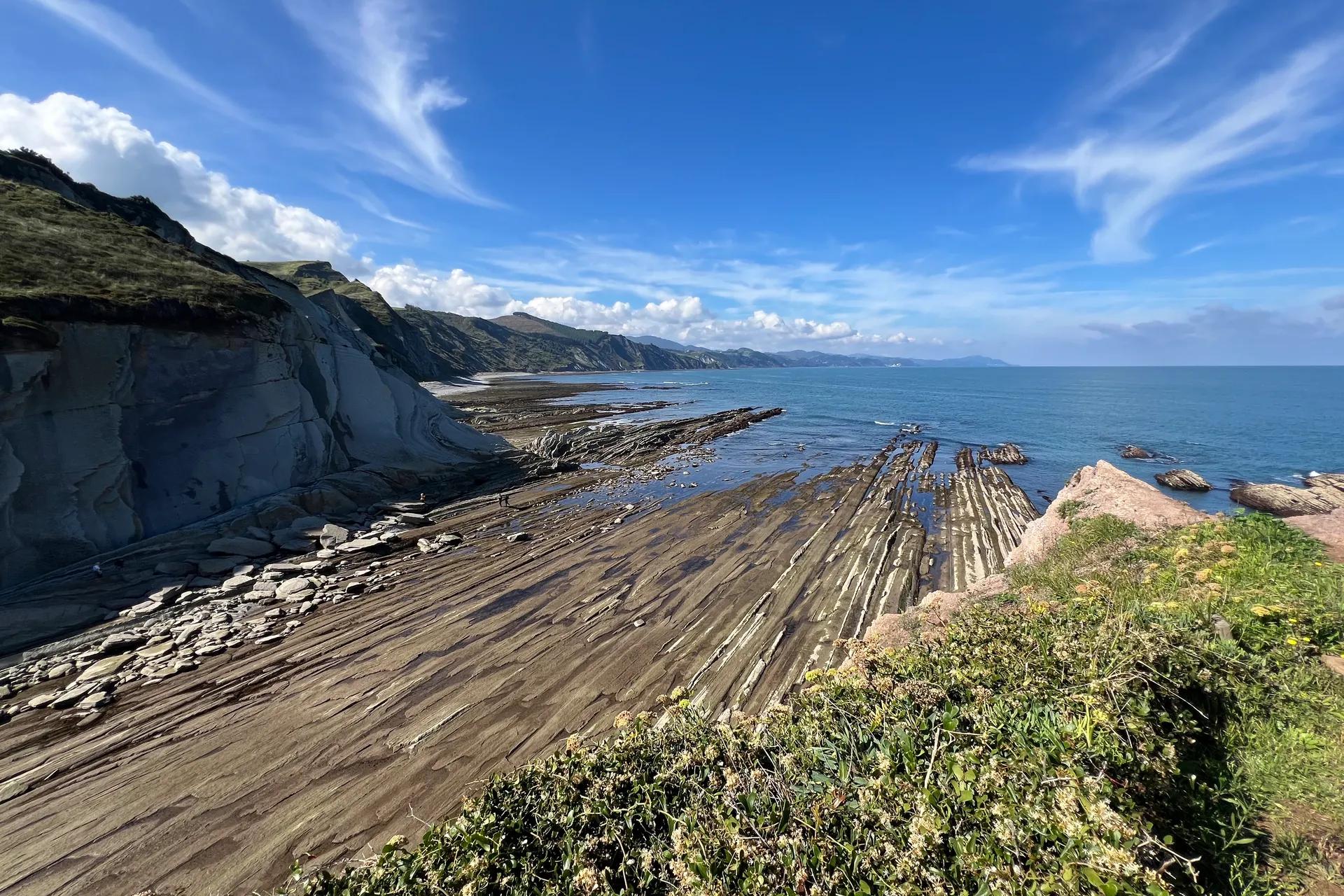
- Mix of cliff-top paths, forest trails, rural roads, and sandy stretches
- Longer daily distances between some towns
- Typical walking distances of 11-20 miles per day
This route rewards effort with variety, but a reasonable level of fitness will help you enjoy it fully.
Highlights & Landscapes
One of the Camino del Norte’s biggest draws is its ever-changing scenery:
- Dramatic cliffs and sweeping Atlantic views
- Golden beaches and hidden coves
- Rolling green hills and farmland
- Characterful coastal towns like San Sebastián, Bilbao, Santander, and Gijón
- The transition into Galicia’s quieter, rural beauty
It’s a Camino that feels both expansive and intimate, with moments of solitude balanced by vibrant local culture.
How to Get There
Most walkers begin the Camino del Norte in San Sebastián, a well-connected city in Spain’s Basque Country.
- By air: Fly into San Sebastián, Bilbao, or Biarritz (France)
- By train or bus: Easy connections from major Spanish cities
At the end of your journey, Santiago de Compostela offers convenient onward travel options via train, bus, or flight.
For a step-by-step guide on planning your journey, including transport options and logistics, check out our Camino travel guide, which covers everything you need to know about getting to the start and from the end of the Camino del Norte.
What to Pack
Packing for the Camino del Norte means preparing for variable weather and varied terrain.
Essentials include:
- Comfortable, well-broken-in walking shoes or boots
- Lightweight, breathable clothing layers
- Waterproof jacket and rain cover
- Daypack (since your luggage is transferred if travelling with us)
- Reusable water bottle
- Basic first aid kit and blister care
Because of the coastal climate, it’s especially important to be ready for both sunshine and showers on the same day.
For a full packing checklist, take a look at our guide on what to pack for a Camino walking holiday.

Things to Do
Walking may be the focus, but the Camino del Norte offers plenty of memorable experiences along the way:
- Explore San Sebastián’s Old Town and sample pintxos
- Visit the iconic Guggenheim Museum in Bilbao
- Relax on quiet beaches along the Cantabrian coast
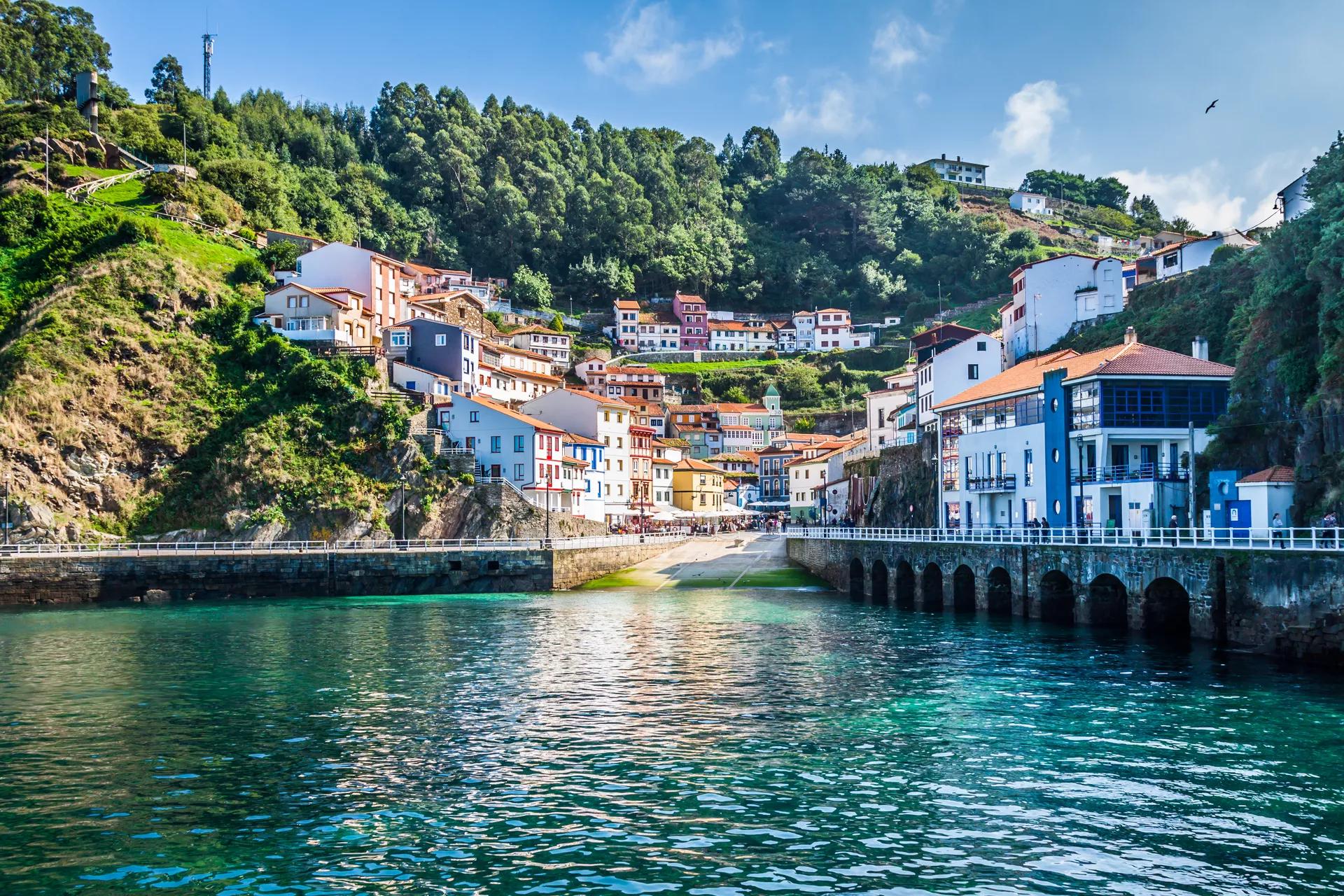
- Wander through historic fishing villages and harbour towns
- Discover local markets and regional traditions
- Take time to pause at scenic viewpoints along the cliffs
This is a Camino where slowing down often leads to the best moments.
What to Eat and Drink
Food is a true highlight of the Camino del Norte, particularly in the Basque Country.
What to Eat
- Pintxos: Bite-sized Basque delicacies, often served on bread
- Fresh seafood: Grilled fish, squid, and shellfish along the coast
- Hearty stews: Especially as you move into Galicia
- Tortilla Española: A simple but satisfying staple
- Pilgrim menus (Menú del Peregrino): Affordable, filling multi-course meals
What to Drink
- Txakoli: A lightly sparkling white wine from the Basque region
- Sidra (cider): Particularly popular in northern Spain
- Local wines: Especially as you enter Galicia
- Coffee culture: Strong and widely available in cafés along the route
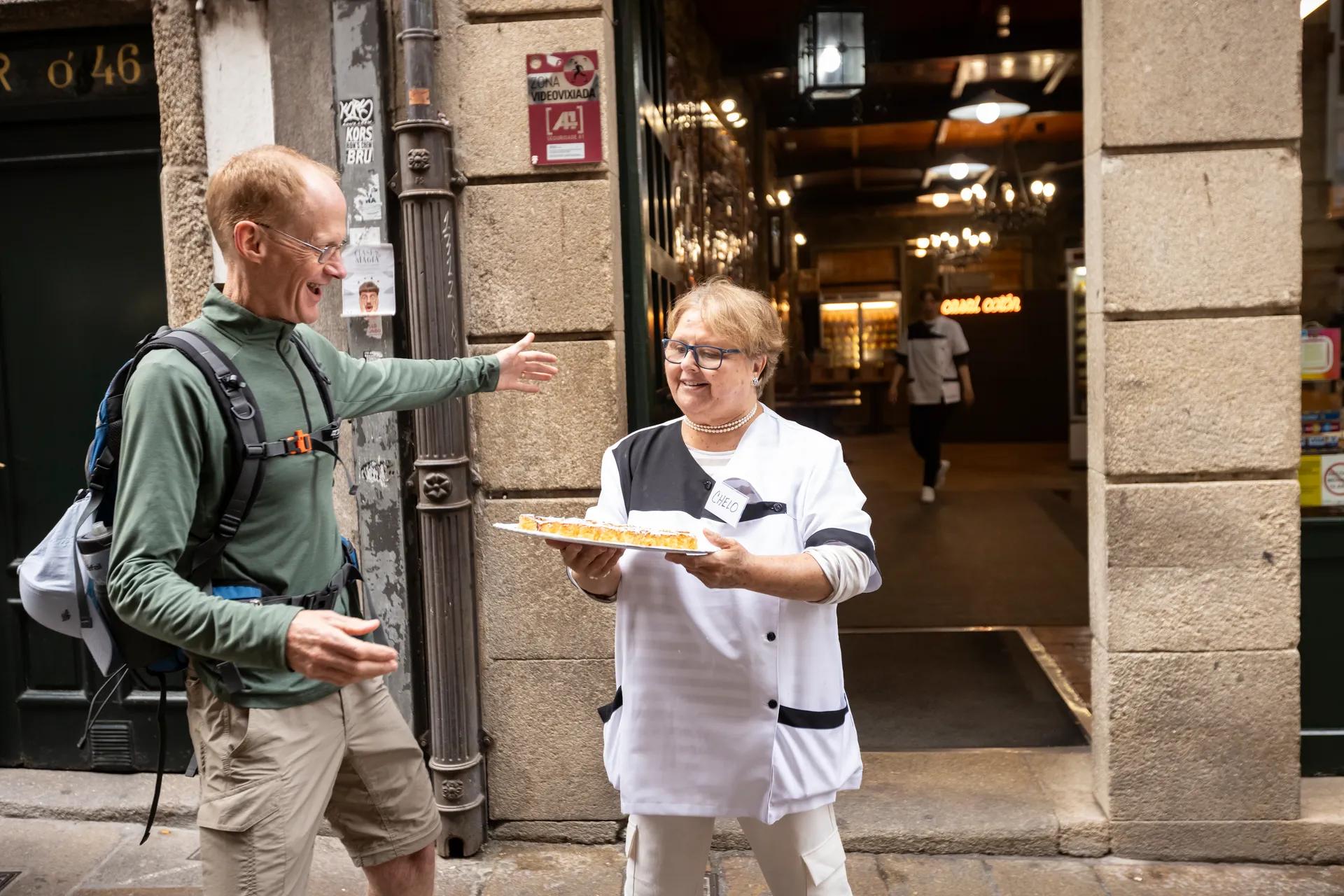
Meals are a social experience on the Camino-expect long dinners, shared tables, and plenty of conversation.

Types of Accommodation Along the Camino del Norte
Accommodation on the Camino del Norte ranges from simple to comfortable, depending on your style of travel.
- Hotels & guesthouses: Comfortable, private rooms with en-suite facilities
- Casa rurales: Charming countryside stays full of character
- Pensiones: Simple, locally run accommodations
- Albergues (pilgrim hostels): Basic, communal options popular with independent walkers
When you travel with Macs Adventure, we carefully select hand-picked accommodations with private, en suite rooms that offer comfort, character, and a warm welcome, plus daily breakfasts to fuel you for the day ahead.
Helpful Phrases to Learn
While many people along the Camino speak some English, learning a few Spanish phrases goes a long way:
- Buen Camino - The traditional pilgrim greeting
- Hola - Hello
- Por favor - Please
- Gracias - Thank you
- ¿Dónde está…? - Where is…?
- Una cerveza, por favor - One beer, please
In the Basque Country, you may also hear Euskara (Basque), adding another layer of cultural richness to your journey.
For more useful expressions, check out our essential Camino phrases guide before you go.
The Camino del Norte is a route that rewards curiosity. It’s less about ticking off miles and more about embracing the rhythm of the coast, where each day brings a new landscape, a new flavour, and a new perspective.
If you’re looking for a Camino that feels a little wilder, a little quieter, and deeply authentic, this could be the one.
Reasons to Book with Macs Adventure
Planning a Camino should feel exciting, not overwhelming. With Macs Adventure, everything is taken care of so you can focus on the experience itself.
- Carefully chosen accommodation with daily breakfasts
- Hand-picked accommodation
- Daily luggage transfers
- Detailed route info and navigation support via our award-winning app
- 24/7 emergency assistance
- Pilgrim passport and Camino shell included
All that’s left for you to do is follow the trail-and enjoy every step.
People Also Ask
- Ultimate Guide to the Camino de Santiago
Everything you need to know about routes, planning, and what to expect.
Read the ultimate Camino guide >
- What is a Camino?
A Camino is a long-distance pilgrimage journey, traditionally walked (or cycled), that follows historic routes leading to Santiago de Compostela in northwest Spain.
Learn more about the History of the Camino >
- Which Camino Is Right for Me?
Compare routes and find the Camino that best suits your pace, interests, and experience.
Find your Camino >
- What Should I Pack for My Camino Trip?
From footwear to essentials, pack smart and walk comfortably.
See the Camino packing list >
- Tips for Travelling to and From the Camino
Practical advice on flights, transfers, and route logistics.
Plan your journey >
- Essential Camino Phrases
Helpful Spanish phrases for pilgrims along the way.
Learn Camino phrases >
- How Fit Do I Need to Be to Walk a Camino Route?
Understand the physical demands and how to prepare.
- Camino FAQs
Clear answers to the most common Camino questions.
Read Camino FAQs >
Tags