




Ever sung "Auld Lang Syne" at midnight on Hogmanay? Then you already know the work of Robert Burns - even if you didn't realise it. Scotland's national bard wrote the words the world sings every New Year, and that's just the start. Poet, farmer, radical, romantic - Burns packed a lot into 37 years.
Here at Macs Adventure, we're a Scottish company through and through. Our head office sits in Glasgow, and we've been helping people walk and cycle through Burns' homeland since 2003. So, consider this our locals' guide to the man behind the myth - 18 facts answering the questions we hear most often.

Who Is Robert Burns? And Where Was He From?
Robert Burns (1759-1796) is Scotland's national poet - known affectionately as the Bard, Rabbie Burns, or the Ploughman Poet. Here's where his story starts.
1. Born on 25 January 1759
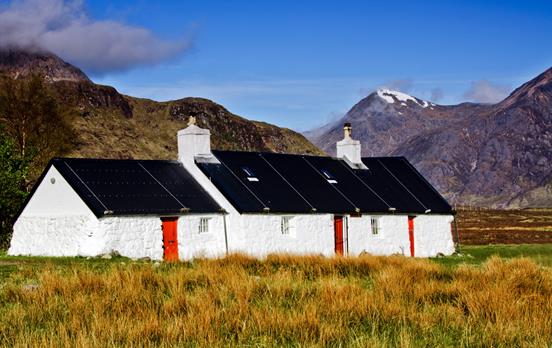
Burns was born in a small, thatched cottage in Alloway, Ayrshire, in the south-west of Scotland. His father built the cottage by hand, and you can still visit it today as part of the Robert Burns Birthplace Museum. This corner of Scotland is still known as Burns Country - and it's wonderful walking territory.
2. Farming Roots
Though he became Scotland's national poet, Burns never forgot his life as a farmer. He spent his years between Ayrshire and Dumfries & Galloway, and his connection to the land and rural life inspired much of his work.
3. The Name Game
Originally, he spelt his surname "Burnes" before later adopting "Burns". Oh, the power of branding, even in the 1700s.
4. Lover of Folk Songs
Burns grew up surrounded by traditional Scottish songs and oral storytelling - a major influence on his writing style, and a debt he'd spend his life repaying.

What Is Robert Burns Famous For?
In short: his poetry and songs, his radical politics, and keeping the Scots language alive. Here's how it happened.
5. A Prodigy at 15
Burns wrote his first poem, "O Once I Lov'd A Bonnie Lass", at just 15 - inspired, naturally, by a girl he fancied at harvest time.
6. How Many Poems Did Robert Burns Write?
Burns wrote more than 550 poems and songs in his short life, including over 100 songs contributed to The Melodies of Scotland. Much of his song-collecting work he did for free, believing Scotland's folk songs belonged to everyone. Given he died at 37, that's a remarkable output. Most of us haven't written 550 of anything!
7. What Was His Most Famous Poem? Take Your Pick
"Auld Lang Syne" is easily his most sung work - belted out worldwide every New Year's Eve. But his most famous poem is generally "Tam o' Shanter", a rollicking tale of a farmer chased by witches across the Brig o' Doon in Alloway. The bridge is still there, a short stroll from his birthplace cottage. Honourable mentions go to "To a Mouse" (which gave John Steinbeck the title Of Mice and Men) and "A Red, Red Rose".
8. Keeping Scots Alive
Burns skilfully wrote in Scots, standard English, and a blend of the two, creating a linguistic bridge between cultures - and giving Scotland a literary voice in its own language.
9. The Kilmarnock Edition
The publication of his first poetry collection in 1786, Poems, Chiefly in the Scottish Dialect (also called the "Kilmarnock Edition"), brought him instant fame - and saved him from emigrating to Jamaica.

Political and Social Views
10. Advocate for Equality
Burns used his work to champion social justice and equality, often standing up for the working classes through his verses. His themes haven't dated a day.
11. Inspired by Revolution
Burns lived through the French Revolution and was closely tied to the Scottish Enlightenment. He held radical political views, supporting ideals of liberty and reform that still resonate today.

How Many Children Did Robert Burns Have?
12. Twelve Children - Nine with Jean Armour
Burns fathered 12 children, nine of them with his wife, Jean Armour. The other three arrived courtesy of a personal life every bit as colourful as his poetry - Burns penned hundreds of lines dedicated to the women in his life.
13. Poverty and Pressure
Despite his fame, Burns struggled financially throughout his life, balancing poetic success with the very real pressure of feeding a large family on a farmer's income.

How Did Robert Burns Die? And Where Was He Buried?
14. Gone at 37
Burns died on 21 July 1796 in Dumfries, aged just 37. The cause is generally attributed to rheumatic heart disease, likely worsened by years of hard physical labour on the farm from a young age. A doctor's ill-advised prescription of sea bathing in the cold Solway Firth in his final weeks probably didn't help. On the day of his funeral, Jean gave birth to their ninth child, Maxwell.
15. Buried in Dumfries
Burns was buried in St Michael's Churchyard in Dumfries. In 1815, his remains were moved to a grander resting place - the Burns Mausoleum, in the same churchyard - where he now lies alongside Jean Armour. Both the mausoleum and the Burns House, where he spent his final years, are open to visitors today.

When Is Robert Burns Day? And Why Do We Celebrate It?
16. The First Burns Supper, 1801
The tradition began when nine of Burns' friends gathered at his birthplace cottage in Alloway to mark five years since his death. They ate haggis, read his poems, and gave speeches in his honour - and enjoyed it so much they made it an annual event, moved to his birthday.
17. Burns Night: 25th January
Robert Burns Day - better known as Burns Night - falls on 25th January every year, the anniversary of his birth. More than two centuries on, the format has barely changed: haggis, neeps and tatties, whisky, poetry recitals, and the ceremonial Address to a Haggis. We celebrate because Burns gave Scotland its voice - and because it's a good excuse for haggis and whisky in the depths of January. Burns would approve.
Legacy and Influence
18. A World of Recognition
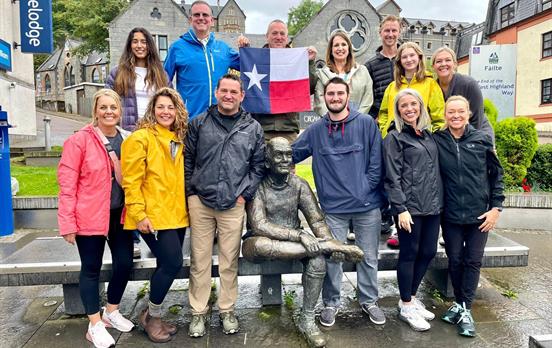
After Queen Victoria and Christopher Columbus, Burns has more non-religious statues and monuments dedicated to him than any other individual. And in 2009, he was voted the Greatest Scot of all time by Scottish TV viewers - ahead of William Wallace and Robert the Bruce. Not bad for a farmer's son.
Walk in the Footsteps of the Bard
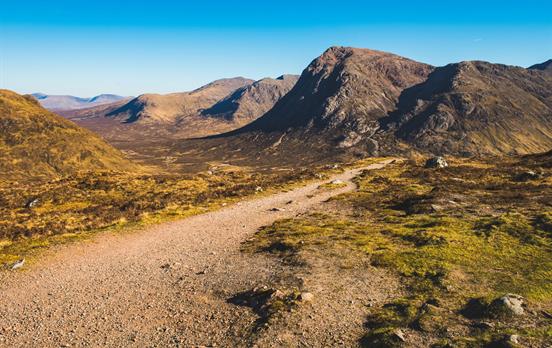
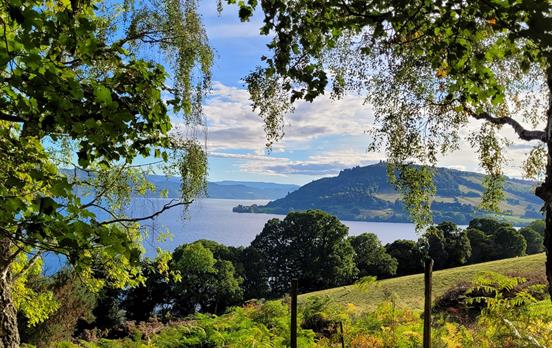
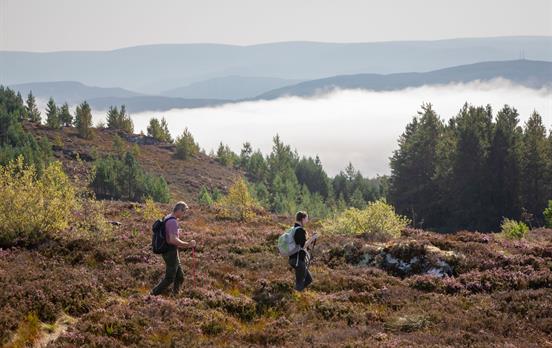
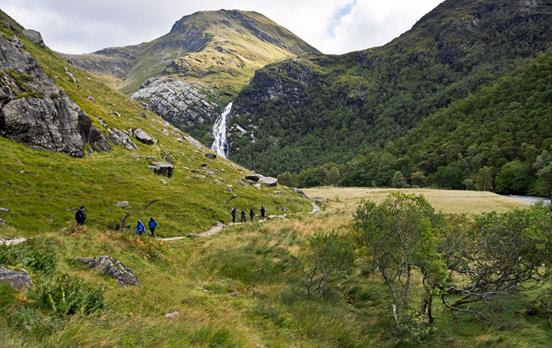
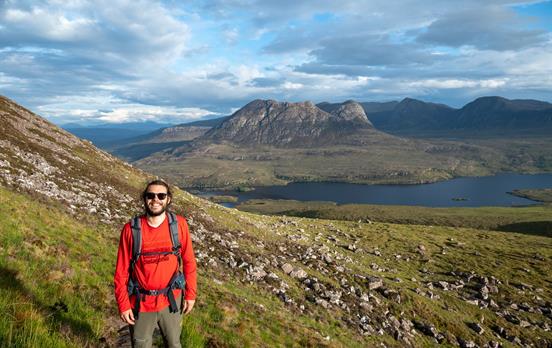
Burns found his inspiration outdoors - in the fields of Ayrshire, on the banks of the Doon, among the hills and coastlines of south-west Scotland. The best way to understand his poetry is to see the landscapes that shaped it.
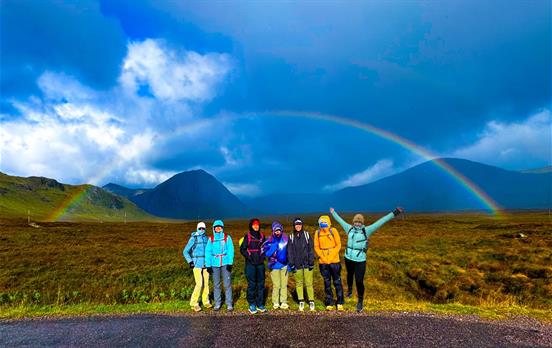
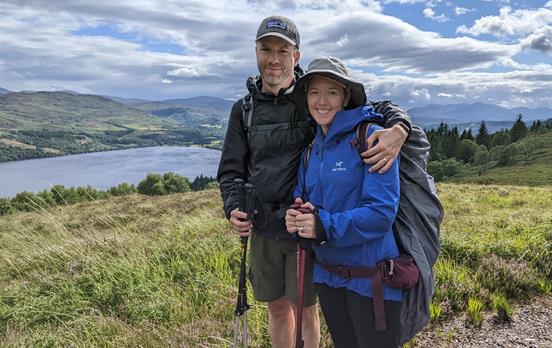
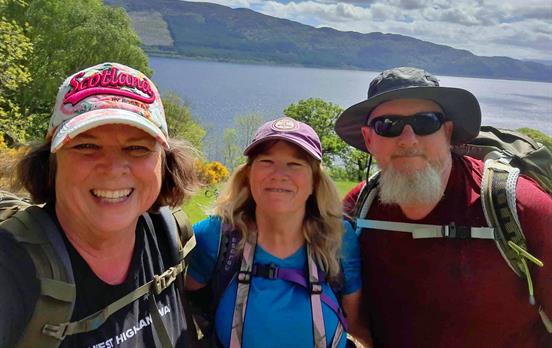
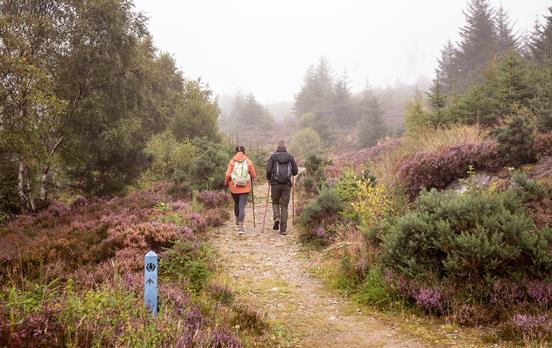
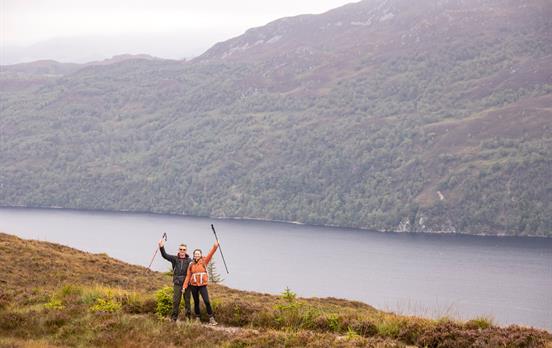
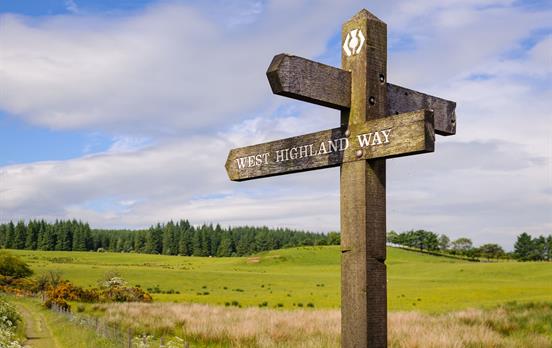
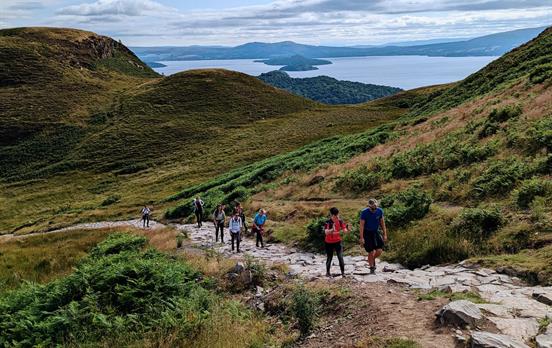
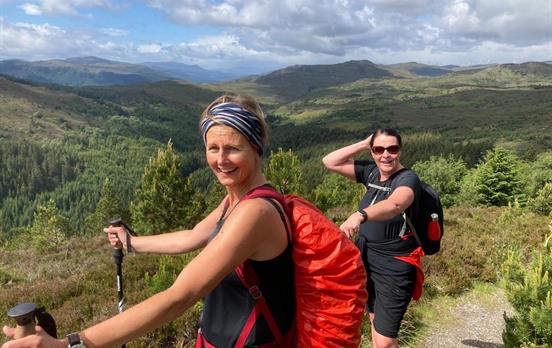
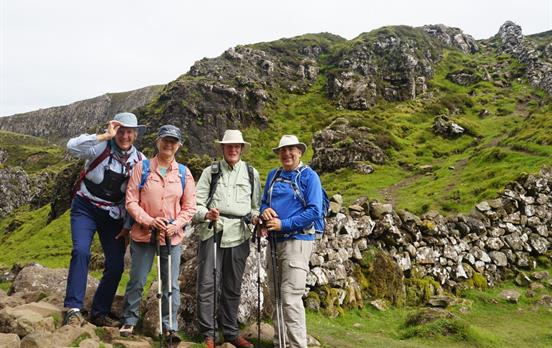
Whether you fancy exploring Scotland on a classic trail like the West Highland Way or heading to Arran, known as 'Scotland in miniature', our self-guided walking holidays let you discover Burns' homeland on your own terms - with accommodation, luggage transfers, and route guidance in the app all sorted. We've been doing it since 2003, with over 24,000 reviews to show for it.
Now's the perfect time to explore his timeless works - and the country that made him.












 Australia
 New Zealand
 South Africa
 European Union