




Furneaux Lodge: history, good food, and a slower pace on the Queen Charlotte Track

The first thing you notice isn’t the lodge. It’s the quiet.
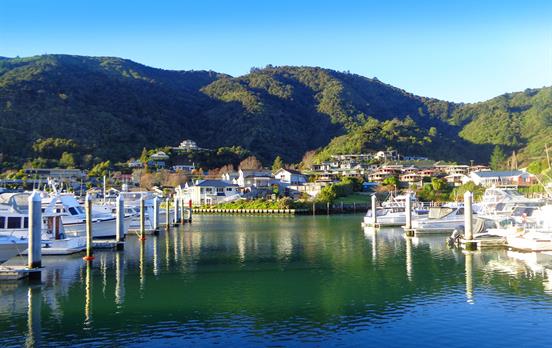
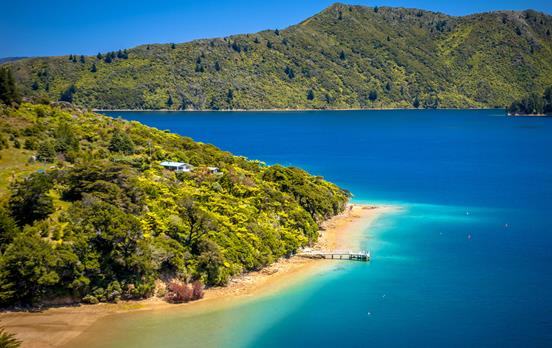
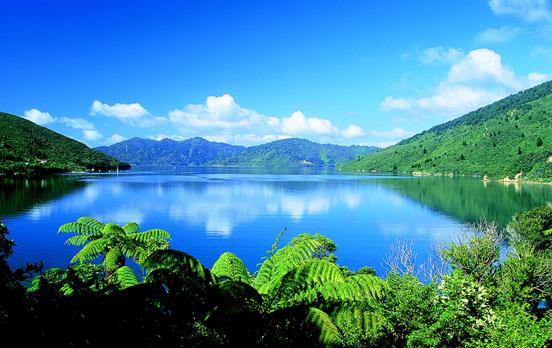
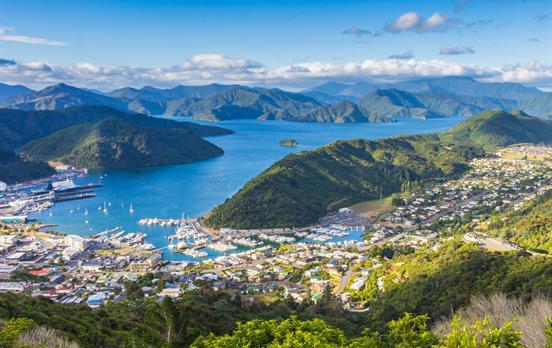
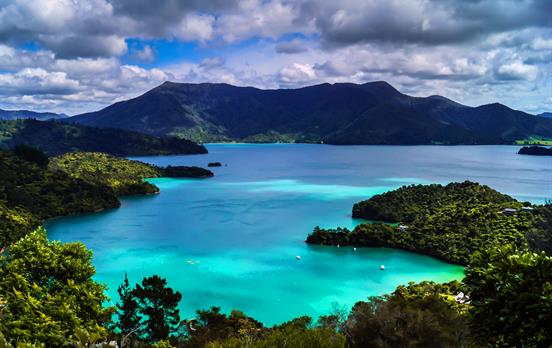
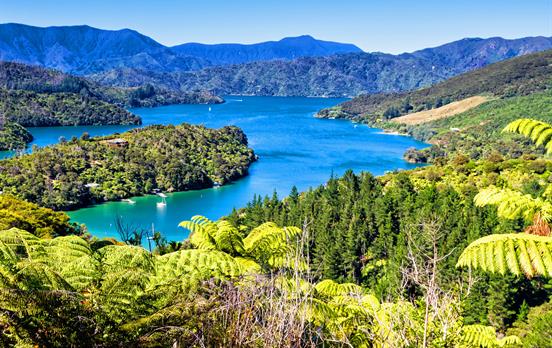
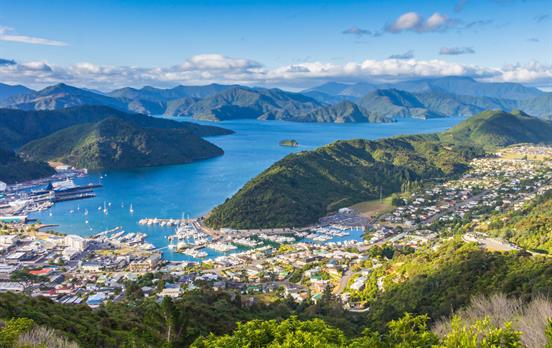
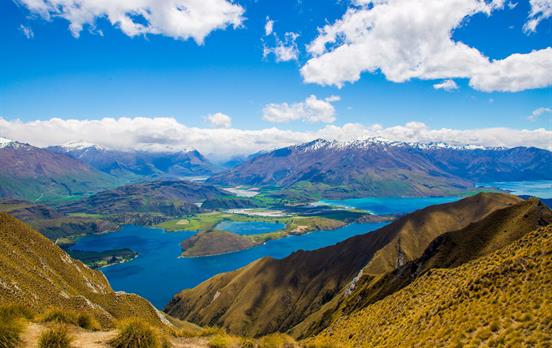
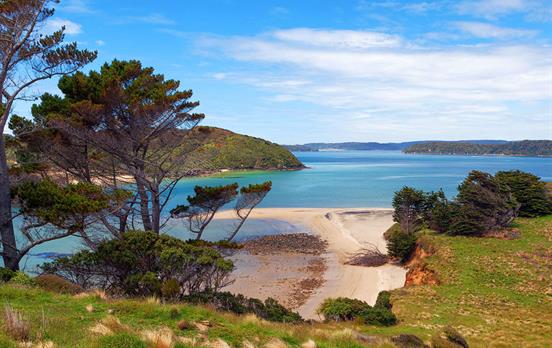
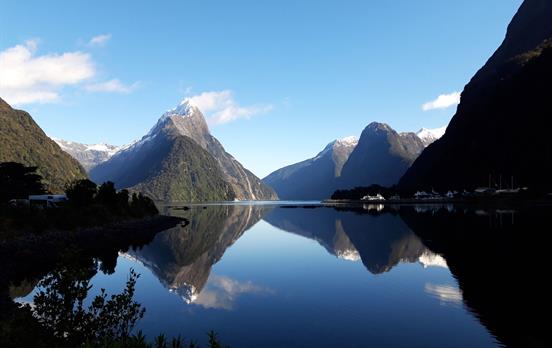
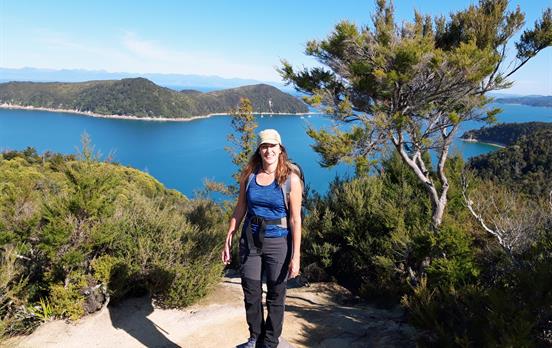
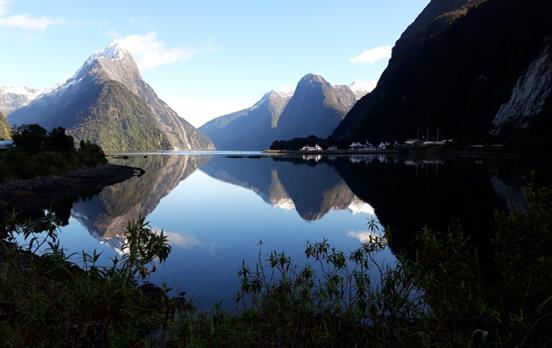
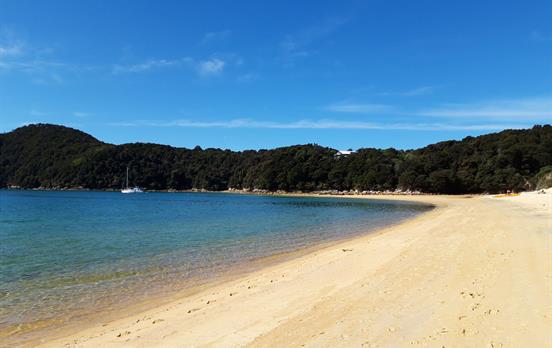
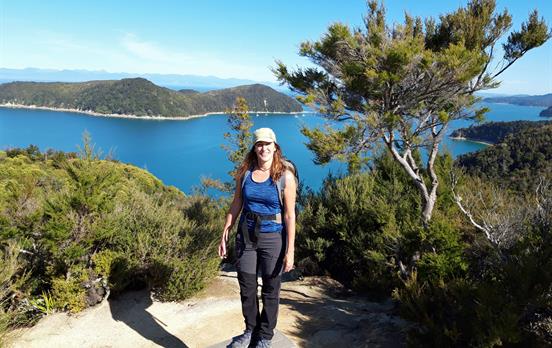
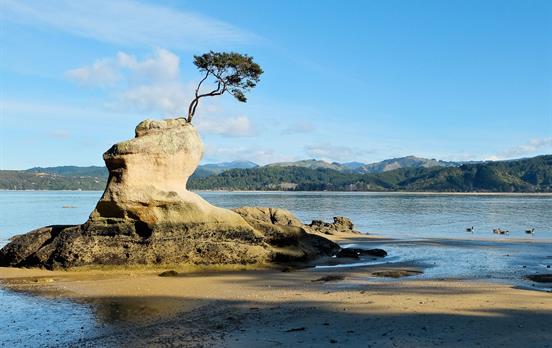
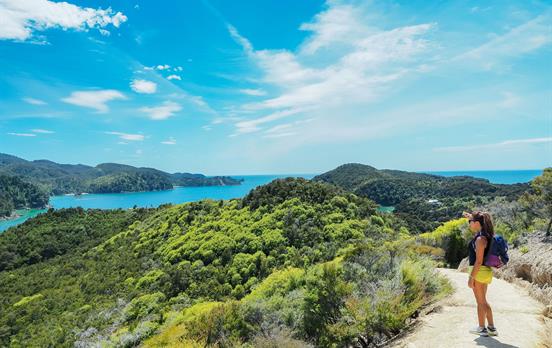
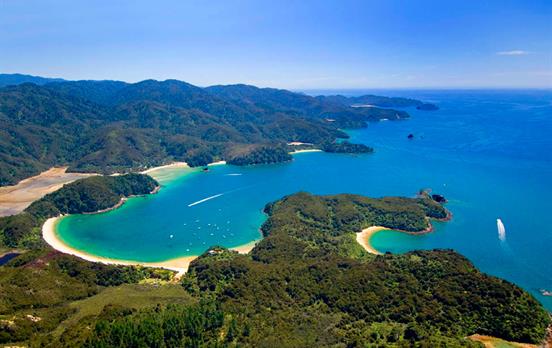
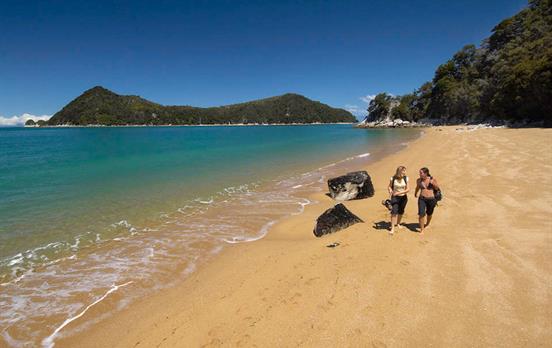
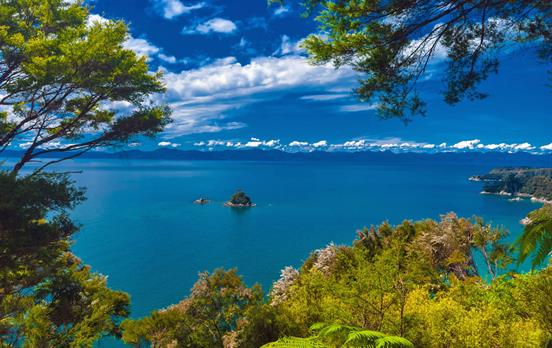
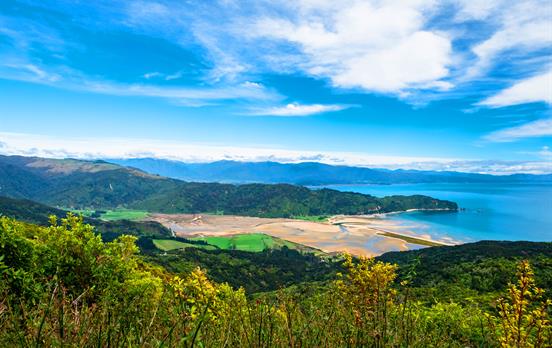
The kind that settles in gently as the boat pulls away, leaving nothing but rippling water, birdsong, and the feeling you’ve stepped neatly out of everyday life. No roads. No traffic. Just the Marlborough Sounds, a network of sunken river valleys at the top of New Zealand’s South Island, where forested hills meet calm, sheltered waterways.
Somewhere ahead, tucked into the shoreline, is Furneaux Lodge.
And arriving here feels less like checking in… and more like discovering you’ve made a very good decision.

A Lodge with a History
Furneaux Lodge has been welcoming travellers for over a century, long before the Queen Charlotte Track became the well-known route it is today.
Its story starts with the Howden family - among the Marlborough Sounds’ original holidaymakers. In 1878, Edinburgh-born Patrick Grieve Howden arrived in New Zealand with his wife, Mary. A biscuit-maker by trade, he ran a confectionery business in Wellington with his brother, but like many at the time, the family was drawn to the quieter, wilder corners of the Sounds.
They began holidaying in Endeavour Inlet before eventually buying their own land here in 1903 - over 1,400 hectares of it. The homestead they built still stands today and now forms the heart of Furneaux Lodge, housing its restaurant and bar.
In the early days, this was a working landscape shaped by milling and small settlements, with everything accessed by boat. Over time, as the Queen Charlotte Track grew in popularity, the lodge evolved with it - from a family retreat into a place that now welcomes walkers from all over the world.
That history still shapes the place today. It doesn’t feel over-designed or overly polished - it feels established. Like it’s grown into its role rather than trying to reinvent it.

Where You Could Linger Longer
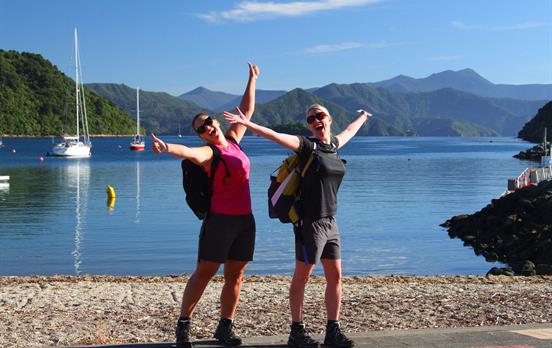
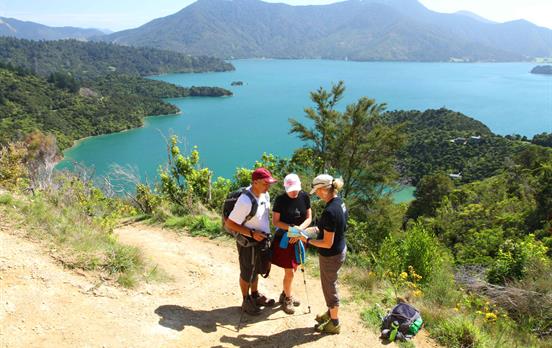
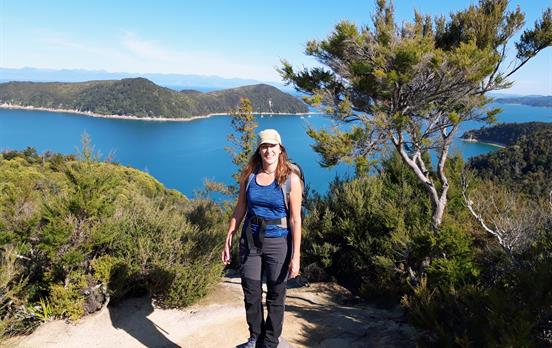
After a day walking the Queen Charlotte Track, arriving at Furneaux Lodge feels very well timed.
You walk down towards the water, check in quickly, and within minutes, you’ve ditched your boots and found somewhere to sit. It’s all very relaxed and easy - no fuss, no overcomplication.
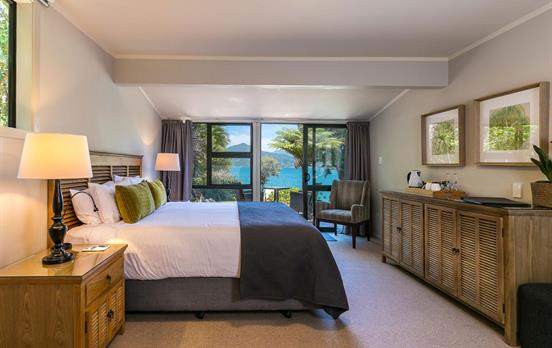
The rooms are spread out across the property, set into the landscape so you feel part of it rather than separate from it. Comfy, well thought-out, and with views that do most of the talking.
It’s the kind of place where you naturally slow down. You stop checking the time. You sit a bit longer than planned. You don’t feel the need to be doing anything in particular.

Food That Lives Up to the Setting
Dinner here isn’t an afterthought - it’s a big part of the experience. The restaurant focuses on fresh, local ingredients, with a menu that leans into what the region does well. Seafood is a highlight, alongside seasonal produce and simple, well-executed dishes.
It’s not overly formal, which is exactly right after a day on the trail. You can turn up as you are, order something good, and enjoy it with a view over the water and, ideally, a glass of Marlborough wine.

Taking Care of the Place Properly
One of the things that stands out about Furneaux Lodge is how seriously it takes its environment - without making a big show of it.
Running a lodge in a remote location like this means being thoughtful about resources, and that comes through in how they operate day to day. There’s a clear focus on reducing environmental impact, managing waste carefully, and working in ways that suit the landscape rather than putting pressure on it.
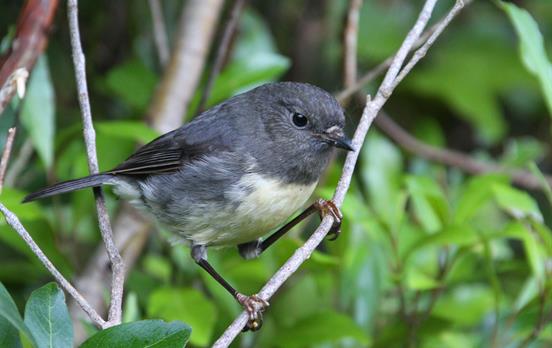
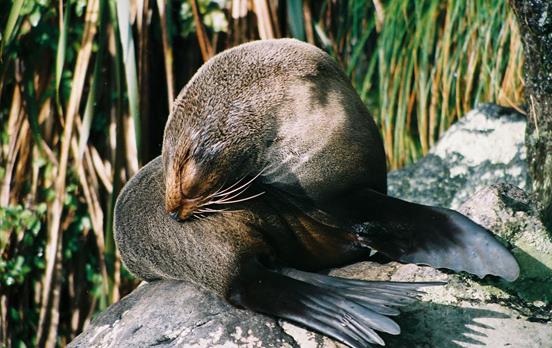
They’re also involved in conservation efforts to help protect the native bush and wildlife around the Sounds.
It’s not something that’s front and centre when you arrive - but it’s there, and it matters.

More Than Just a Stop on the Track
Technically, Furneaux Lodge is one stop along the Queen Charlotte Track. But it doesn’t feel like just a stop. It’s somewhere you reset a bit. Where the walking is only part of the experience, and the time in between - good food, a comfortable stay, and a genuinely peaceful setting - is just as memorable.
And when you head off the next morning, there’s a good chance you’ll be thinking the same thing most people do.
One night probably wasn’t quite enough.










 Australia
 New Zealand
 South Africa
 European Union