




Discover 2027 Holy Year Camino
-
Why walk the Camino in a Holy Year or Jubilee?
Holy Years only happen every 5, 6, and 11 years – making 2027 a rare opportunity. The last Holy Year was 6 years ago.
During Jacobean Holy Year, you’ll experience:
• A unique spiritual atmosphere in Santiago de Compostela
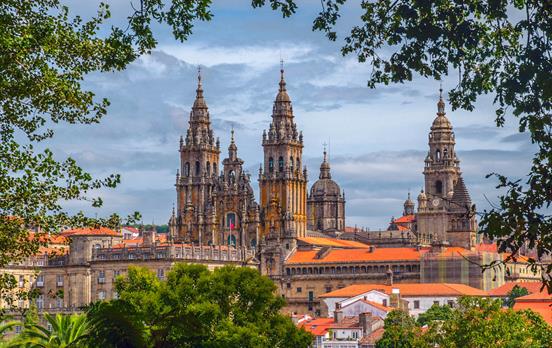
• The opening of the Holy Door at the Santiago Cathedral for the year
• Santiago Cathedral Mass on Sunday, July 25, 2027, includes extra St James Day celebrations
• A vibrant international community of pilgrims
• A Camino buzzing with celebration, connection, & traditionMeet Like Minded Pilgrims on the Trails
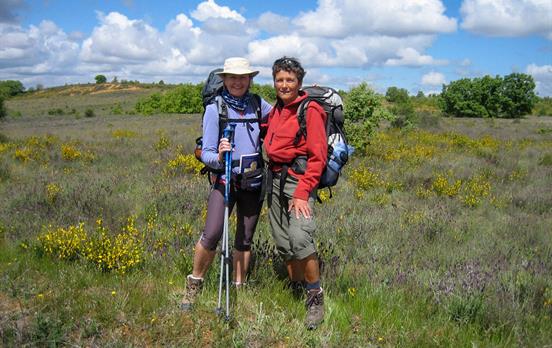
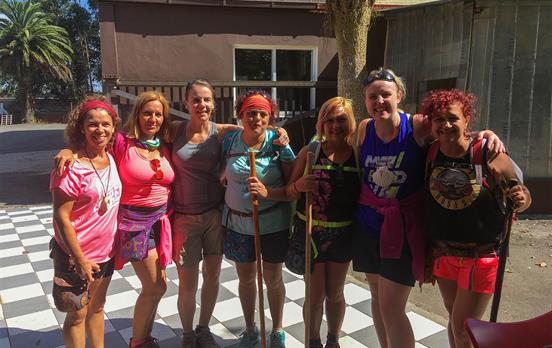
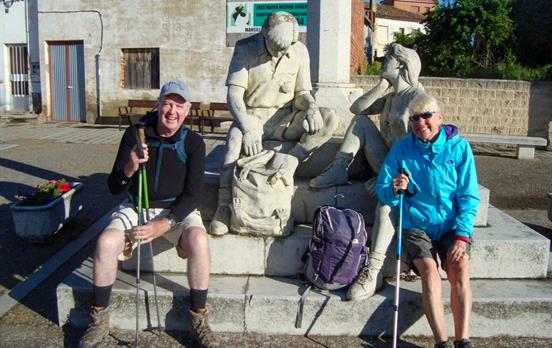
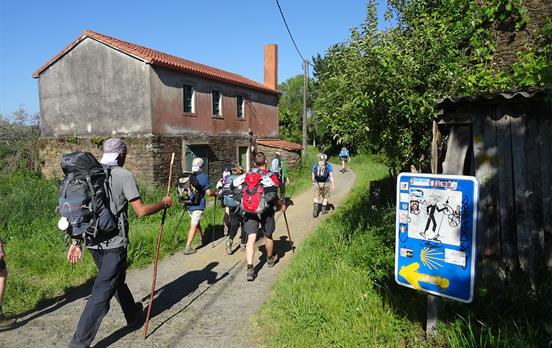
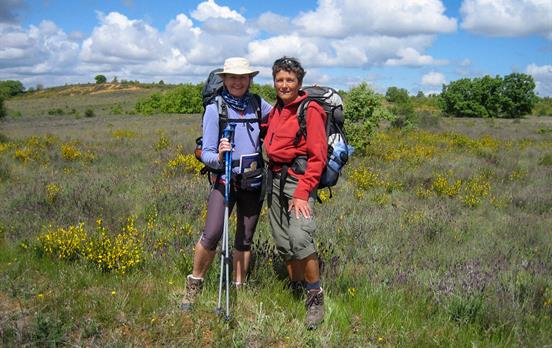
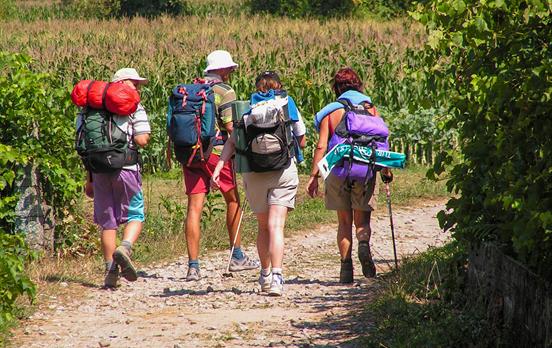
Walking the Camino in a Holy Year or Jubilee offers a unique sense of shared purpose, attracting like-minded pilgrims from around the world. On a Macs Adventure trip, you enjoy the freedom to walk at your own pace while naturally meeting inspiring people along the way—whether you choose to walk together, stop for a drink, share a meal, or continue solo. It’s the perfect blend of meaningful connection and personal freedom, allowing you to shape each day exactly as you wish.![Why walk the Camino in a Holy Year or Jubilee?]()
-
Reasons to book your Holy Year Camino with Macs Adventure
- Travel independently, at your own pace
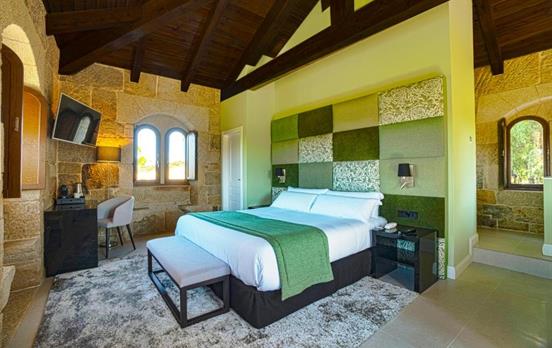
- Hand-picked hotels with daily breakfast included
- Luggage transfers – so you only walk with a day bag
- Camino experts – best routes, top recommendations & 24/7 support
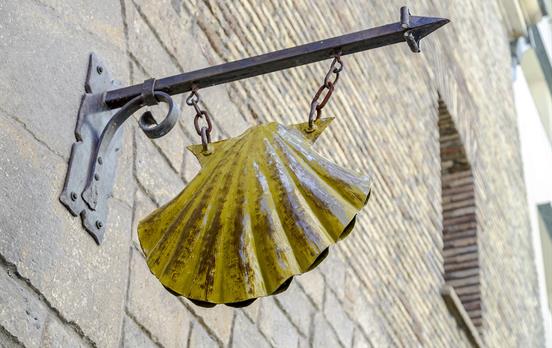
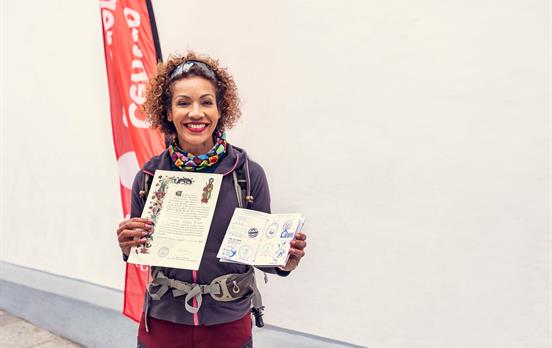
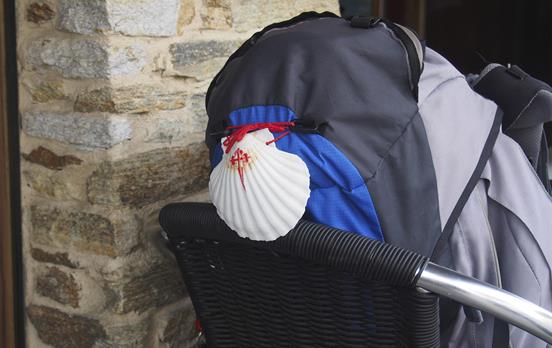
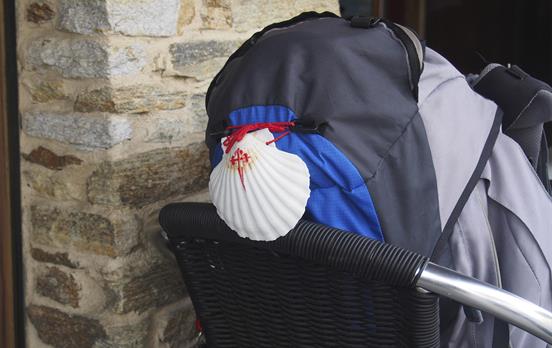
- Pilgrim passport & shell included
For any questions about doing a Camino de Santiago pilgrimage during the Jacobean Holy Year, our team of Camino experts can help. Call +44 141 530 8886 or send an email.
![Reasons to book your Holy Year Camino with Macs Adventure]()
-
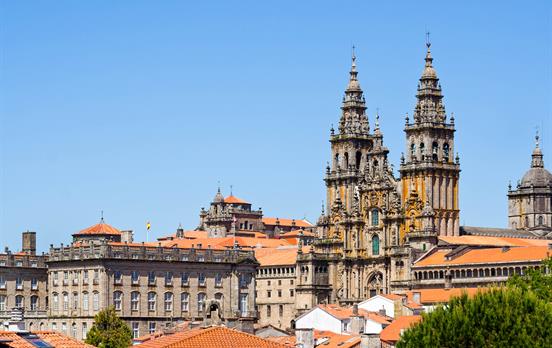
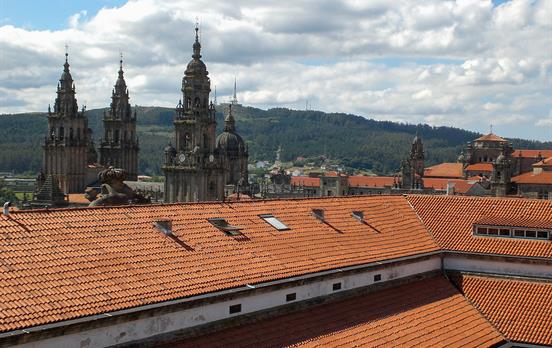
What happens at the Santiago Cathedral during a Camino Holy Year?
The Holy Door opens.
Only in a Jacobean Holy Year, pilgrims enter through the Puerta Santa, descend to the tomb of St James, then rise back into the light—symbolizing the journey of pilgrimage and the promise of renewal.Grace is offered.
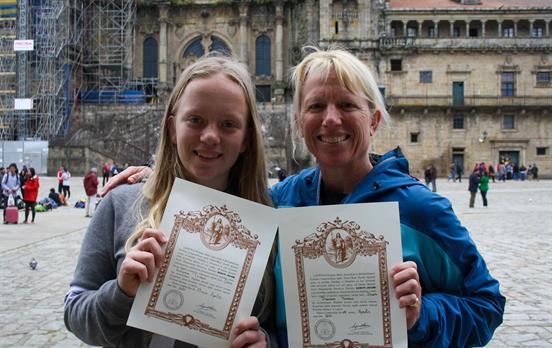
Pilgrims who pray, attend Mass (and visit the tomb of St James), and receive Confession (within 15 days before the trip or after the visit to the Cathedral) may receive a Plenary Indulgence—an invitation to forgiveness, grace, and a new beginning.Memorable Cultural experiences.
Outside the cathedral walls, the city of Santiago de Compostela hosts a plethora of events – from plaza concerts and historical exhibitions to fireworks displays on certain nights.![What happens at the Santiago Cathedral during a Camino Holy Year?]()
-
How far in advance do I need to book for a pilgrimage during a Holy Year?
Pilgrimages during a Camino de Santiago Holy Year are incredibly popular, so we recommend booking as far in advance as possible. Trip dates and hotels can sell out, so book early to increase your chances of getting confirmation on your preferred travel dates.
![How far in advance do I need to book for a pilgrimage during a Holy Year?]()
-
What’s the difference between a Jacobean Year and a Jubilee Holy Year?
A Jacobean Holy Year (Año Xacobeo) is a rare and powerful Jubilee that occurs when St. James’ Day (July 25) falls on a Sunday, opening the Holy Door in Santiago de Compostela and offering pilgrims special spiritual graces. It’s distinct from broader Catholic Jubilee Years like Rome’s, which follow a different focus and rhythm (generally every 25 years as declared by the Pope).
While both are sacred “Years of Grace” marked by forgiveness, renewal, and pilgrimage, the Jacobean Year is uniquely rooted in the Camino de Santiago and devotion to St. James. Simply put: every Jacobean Year is a Holy Year, but only the Jacobean Holy Year calls pilgrims to walk the Camino and arrive in Santiago for this once-in-a-generation moment.
![What’s the difference between a Jacobean Year and a Jubilee Holy Year?]()
-
When is the best time of year to do a Camino during a Holy Year?
July: There’s no hiding it, July will be packed with people (especially in Santiago de Compostela on Feast Day July 25), but if you want to feel the energy of the Camino experience at its peak, this is it.
Summer (June – Aug): you can still expect special events, swells of fellow pilgrims, and summer heat for an incredibly memorable experience.
Spring & Fall: temperatures are more mild, and you’ll experience slightly fewer travelers. Perfect for those who want a Holy Year experience but with a little more breathing room.
![When is the best time of year to do a Camino during a Holy Year?]()
-
Which Camino is for me?
There are many different routes to Santiago, and here at Macs we offer the vast majority of them. We do have a detailed video which describes each option in more detail, but here is a quick summary of the main reasons for choosing each Camino:
Exciting news: As of Jan 2026, select tours are already on sale for 2027. See the list of tours noted on this web page.
Camino Frances or The French Way
- The most popular Camino route, and the option where you will meet most fellow pilgrims. This is the most sociable Camino for sure and perfect for first-timers!
- Variety of terrain - from the Pyrenees, to the vast plains of the Meseta, to the lush valleys of Galicia
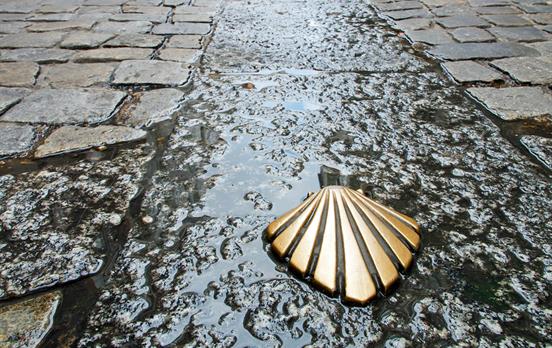
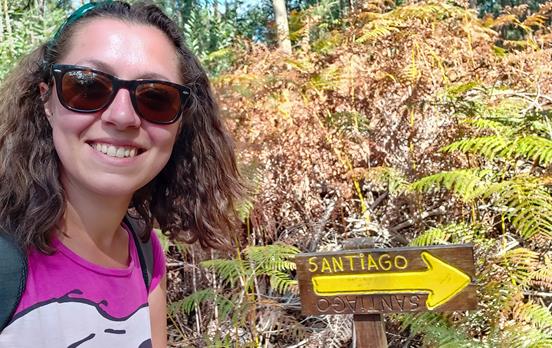
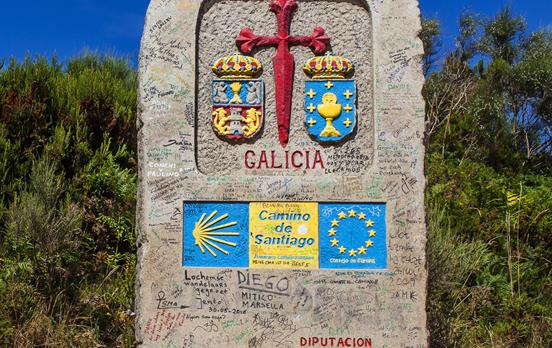
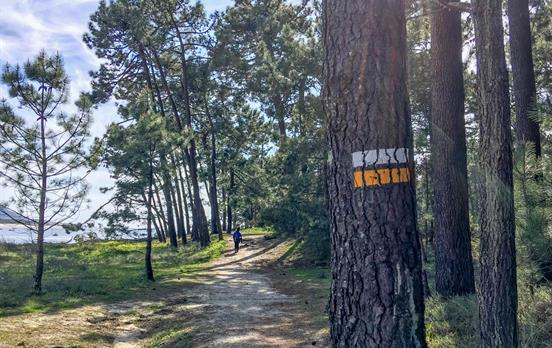
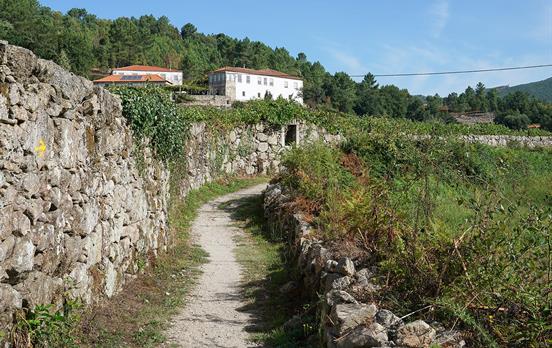
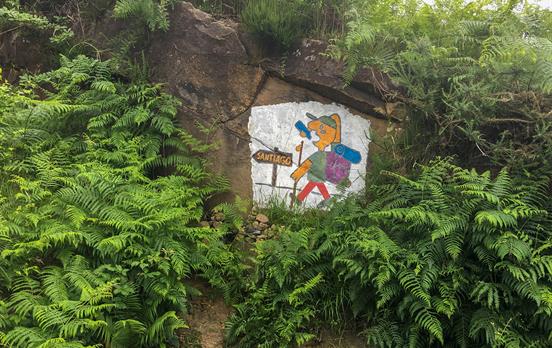
- Easy to follow - all of the Caminos are well sign-posted but the Camino Frances is probably the most clear with yellow arrows and scallop shells lining the way!
- Fascinating cities - there are several amazing cities along the French Way including Pamplona, Burgos, Leon and Santiago all of which are worthy of exploring and extra nights stay
Camino Portugues and the Camino Portugues Coastal Way
- Second in popularity to the Camino Frances, this is another very sociable Camino, perfect if you want to meet lots of other walkers!
- A great way to discover authentic Portugal, passing through parts of Portugal well off the tourist route
- It is an easier and mainly flat route
- Pass through many historical cities and villages including Pontevedra, Padrón and the vibrant city of Porto
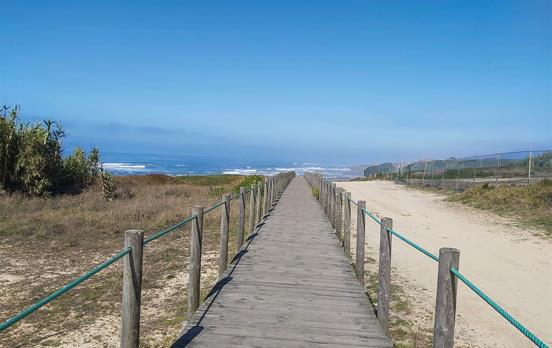
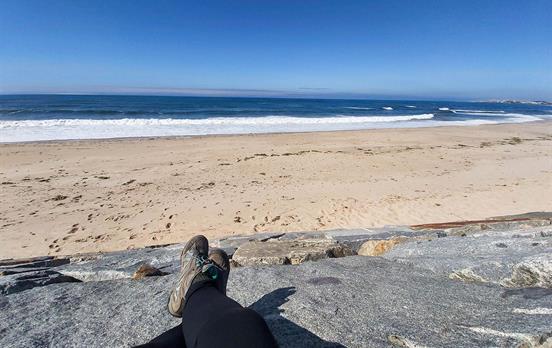
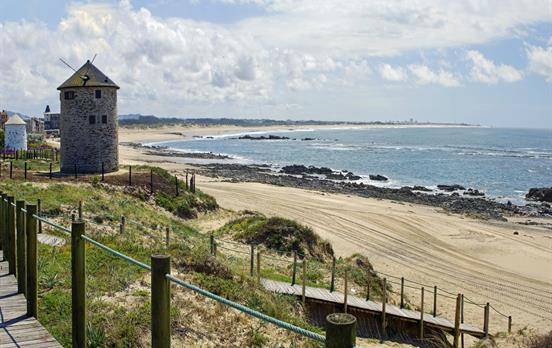
- The coastal variation from Porto to Santiago takes you along the coast to discover amazing unspoiled coastline
- The path less travelled - the Camino del Norte is one of the quieter Camino routes so if you prefer to walk alone, this is one of the more suitable Camino's
- The terrain is more rugged and slightly tougher than the Camino Frances. Along the coastal sections in particular there are a lot of ups and downs along clifftop paths
- Coastline - much of the first part of the Camino del Norte passes on or near to the coast
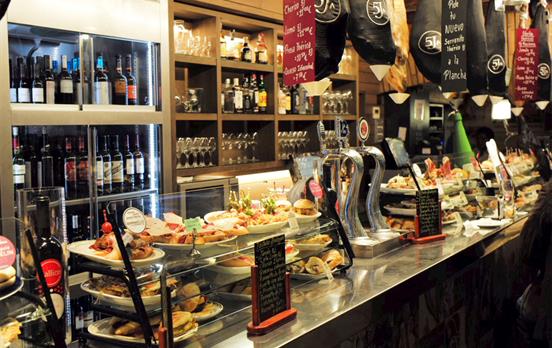
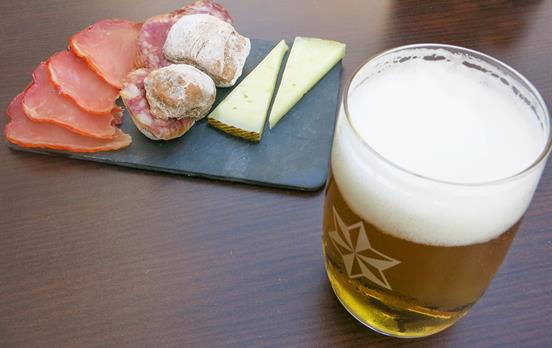
- Food - the Basque Country is renowned for its fantastic gastronomy and is home to the delicious Pintxos (small, tasty tapas-like dishes!)
- The original medieval pilgrim's route for a truly authentic pilgrim experience
- Perfect for those looking for a more challenging route as it passes through mountainous and more rugged terrain and less accommodations makes for more longer days
- Offers an even quieter experience than the Camino del Norte
- Amazing scenery and much more rural landscapes
- This is the route which pilgrims from England used to take, crossing the sea to Ferrol and then walking to Santiago
- Perfect if you are short of time as it is just 5 days walking from Ferrol to Santiago
- Another quieter option if you prefer to walk without lots of people
- The only route to start in Santiago de Compostela and not finish there
- Walk to "end of the world"
- A great spiritual experience as it tends to be people who have walked all the way from Santiago who are doing it
- A very popular Camino although not quite as busy as the Frances or Portuguese routes
- Walk through the heart of rural France
- Pass through a variety of landscapes from the stark Aubrec Plateau, to the luxuriant Lot Valley, to the dramatic Pyrenees
- A great option if you have done the Frances and want to try another Camino!
![Which Camino is for me?]()
-
How do I prepare to hike the Camino?
Preparing for the Camino is about more than training your body; it’s about opening your heart, mind, and spirit to the journey.
Physical Preparation
Begin by walking regularly and slowly increasing distance, ideally with a light pack. Comfortable, well-broken-in shoes are essential. Strengthen your legs and core, but also consider requesting rest days when booking your trip.Mental and Spiritual Preparation
Many pilgrims walk seeking clarity or renewal. Take time to reflect on your intentions: Why am I walking? What am I open to learning? Journaling, meditation, prayer, or inspirational reading can help you prepare inwardly.Wellness along the Way
Wellness comes from balance. Eat nourishing food, stay hydrated, stretch, and allow yourself to slow down. Rest days aren’t a setback; they’re a chance to recover and absorb the experience.Connection and Community
The Camino is shaped by the people you meet. Be open to conversation, shared meals, and moments of kindness—these connections often become the most meaningful part of the journey.Above all, remember you don’t need to have everything figured out. The Camino meets you where you are, one step at a time, and Macs Adventure takes care of the rest.
![How do I prepare to hike the Camino?]()















 Australia
 New Zealand
 South Africa
 European Union