




Choosing the best Camino de Santiago route can feel overwhelming. With historic pilgrimage paths stretching across Spain, Portugal and France, every Camino offers something different - from lively social trails and dramatic coastlines to mountain adventures and quiet countryside walking.
This guide compares the most popular Camino routes to help you decide which Camino is best for you based on distance, difficulty, scenery, duration, walking style, and travel preferences. Whether you're planning your first Camino, searching for the best Camino route for seniors, or looking for a more challenging pilgrimage, this guide will help you choose the right journey.

What Is the Camino de Santiago?
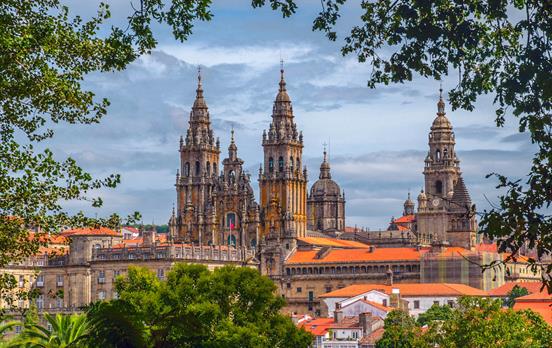
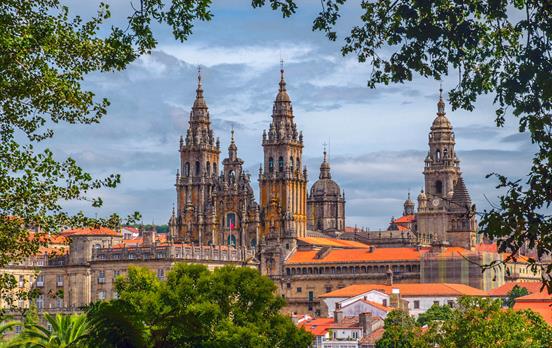
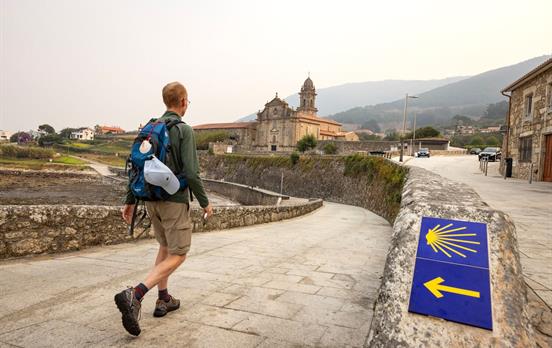
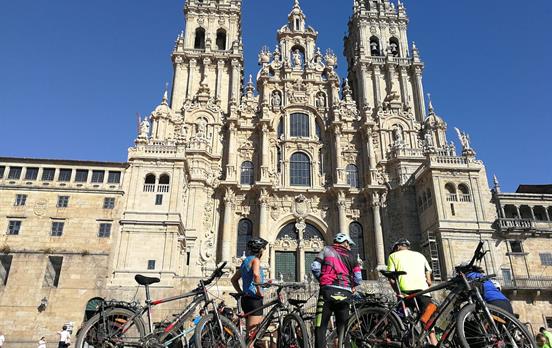
The Camino de Santiago - often simply called the Camino - is a network of ancient pilgrimage routes leading to Santiago de Compostela in northwest Spain, where the tomb of St James is believed to rest.
For over 1,000 years, pilgrims have walked these routes for religious devotion, personal reflection, cultural discovery, or simply the joy of slow travel. Today, the Camino is just as much about landscapes, food, local culture, and shared experiences as it is about the final destination.
Want to learn more about the Camino’s origins, traditions, and symbols? Read our History of the Camino de Santiago guide.

How Many Camino Routes Are There?
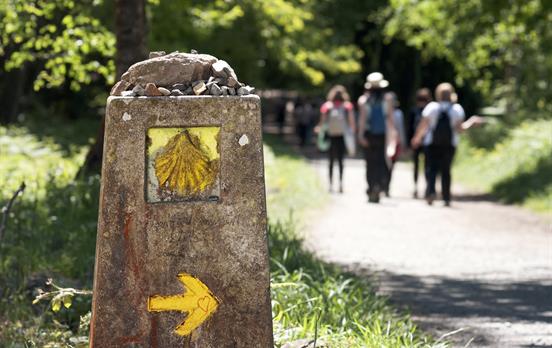
There are dozens of recognised Camino routes across Europe, but most walkers choose from a core group of well-established paths with excellent waymarking, accommodation, and pilgrim Facilities.
This guide focuses on eight of the most popular Camino de Santiago routes:
- Camino Francés
- Camino Portugués Central
- Camino Portugués Coastal
- Camino Inglés
- Camino Primitivo
- Camino del Norte
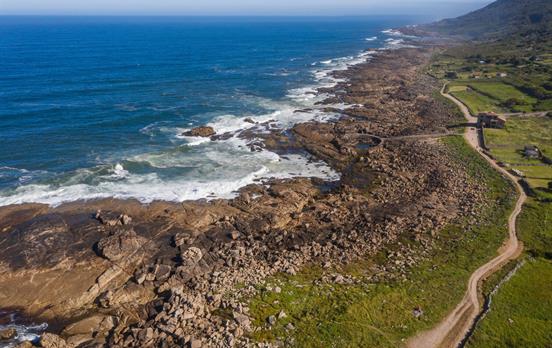
- Camino Finisterre
- Le Puy Camino (Via Podiensis)
Each offers a very different Camino experience.

Camino Route Comparison Table
|
Route |
Distance |
Difficulty |
Terrain |
Best For |
Typical Duration |
Best Time to Walk |
|
Camino Francés |
780 km |
Moderate |
Rolling hills & mountain pass |
First-timers |
40-57 days |
Apr-Oct |
|
Camino Portugués Central |
641 km |
Easy-Moderate |
Vineyards, woodland & cobbles |
Culture & food lovers |
30 days |
Mar-Oct |
|
Camino Portugués Coastal |
287 km |
Easy-Moderate |
Coastal boardwalks & promenades |
Scenic, gentler walking |
14-22 days |
Mar-Oct |
|
Camino Inglés |
113 km |
Moderate |
Rural Galicia & rolling countryside |
Shorter Camino |
7 days |
Mar-Oct |
|
Camino Primitivo |
311 km |
Challenging |
Mountain trails & rugged paths |
Experienced hikers |
16 days |
Apr-Oct |
|
Camino del Norte |
825 km |
Moderate |
Coastal cliffs & hills |
Scenic long-distance walkers |
42 days |
Apr-Oct |
|
Camino Finisterre |
89 km |
Moderate |
Coastal countryside |
Camino extension |
6 days |
Mar-Nov |
|
Le Puy Camino |
742 km |
Moderate |
Rural France & volcanic landscapes |
History & culture lovers |
38 days |
Apr-Oct |
How to Choose the Best Camino Route
When deciding which Camino route is right for you, consider:
- Your Available Time - Some routes take over a month to complete, while others can be walked in under a week. Many longer Camino routes can also be completed in stages over several trips.
- Difficulty & Terrain - Certain routes are gentler and better suited to beginners, while others involve mountain terrain, steep ascents, and long walking days, which cater to the more experienced.
- Atmosphere - Do you want a lively social Camino or a quieter, more reflective experience?
- Scenery - Choose between dramatic coastlines, vineyards, mountains, medieval villages, or rolling countryside.
- Getting There - Some Camino routes are easier to reach internationally, particularly those beginning in Porto, Santiago, or major Spanish cities.

Camino Routes Explained
Camino Francés
The Camino Francés is the most famous and well-supported Camino route. Starting in St-Jean-Pied-de-Port in France, it crosses northern Spain before finishing in Santiago de Compostela.
Route Overview
- Distance: ~780 km / 485 miles
- Typical Duration: Full route: 40-57 days | Shorter stages: 7-15 days
- Difficulty: Moderate
- Terrain: Rolling countryside, vineyard paths, and a mountain pass
- Start Point: St-Jean-Pied-de-Port, France
- End Point: Santiago de Compostela
- Getting there: Easy access via Biarritz airport.
- Facilities: The most developed Camino route, with frequent accommodation, cafés, shops, pharmacies, and excellent waymarking throughout.
Best Time to Walk
April to October bring longer days and blooming landscapes, with shoulder months typically quieter and cooler than the hotter summer season. Some itineraries are also available in March and November, though the opening stages from St-Jean-Pied-de-Port over the Napoleon Pass are generally only recommended between April and October.
Best Suited For
- First-time pilgrims
- Solo travellers
- Social walkers
- Those wanting the classic Camino experience
Why Choose the Camino Francés?
- Most iconic Camino route
- Strong pilgrim community
- Excellent Facilities
- Rich history and culture
Learn more with our Camino Francés guide >
Browse our Camino Francés itineraries >

Camino Portuguese Central Way
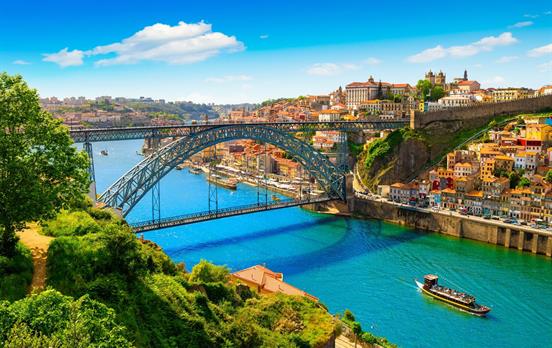
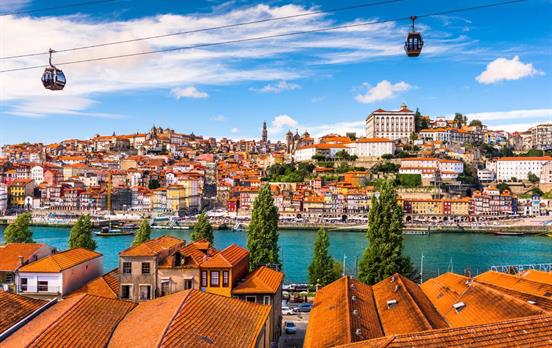
The Camino Portugués Central - also commonly referred to as the Camino Portuguese - blends culture, history, and gentle walking, particularly from Porto northwards.
Route Overview
- Distance: ~641 km / 399 miles
- Typical Duration: Full route: 33 days | Shorter stages: 8-14 days
- Difficulty: Easy to moderate
- Terrain: Woodland trails, cobbled streets, vineyards
- Start Point: Lisbon or Porto, Portugal
- End Point: Santiago de Compostela
- Getting there: Excellent via Porto Airport or Lisbon Airport
- Facilities: Well-established from Porto onwards, with regular accommodation, cafés, and supermarkets in most towns and villages.
Best Time to Walk
March to October offers pleasant walking conditions. Spring and autumn are cooler and quieter, while July and August are warmer and busier.
Best Suited For
- Walkers wanting a quieter alternative to the Francés
- Food and wine lovers
- Cultural travellers
Why Choose the Camino Portuguese Central?
- Historic towns and villages
- Fantastic Portuguese cuisine
- Welcoming atmosphere
- Gentler terrain overall
Learn more with our Camino Portuguese Central Way guide >
Browse our Camino Portuguese Central Way itineraries >

Camino Portuguese Coastal Way
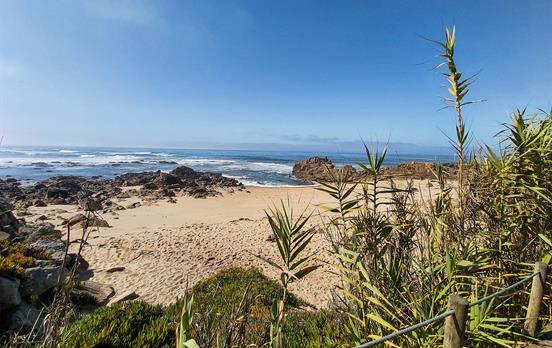
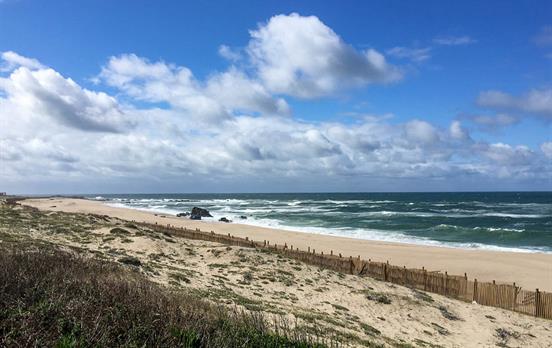
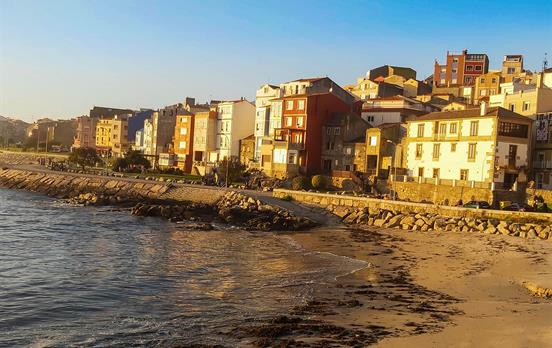
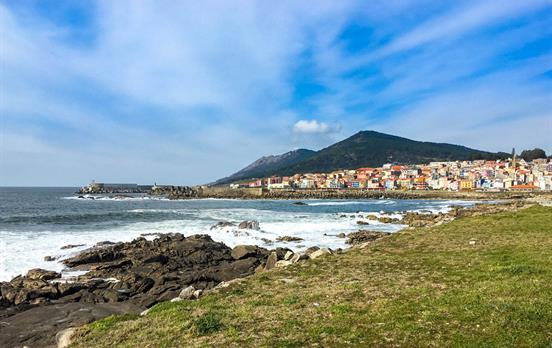
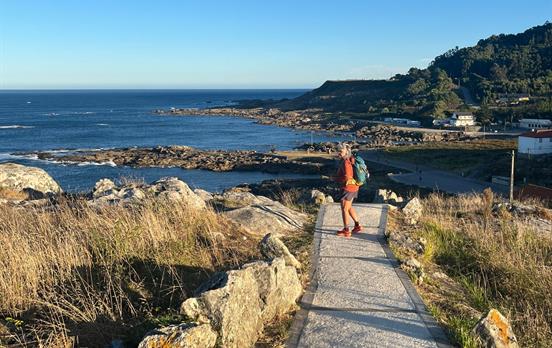
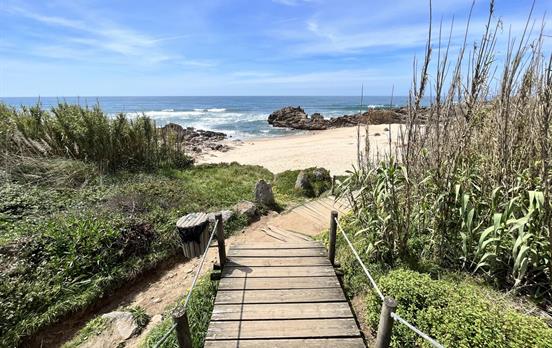
The Camino Portuguese Coastal follows the Atlantic coastline from Porto to Santiago, combining sea views with flatter walking terrain.
Route Overview
- Distance: ~287 km / 178 miles
- Typical Duration: Full route: 15-22 days | Shorter stages: 7-10 days
- Difficulty: Easy to moderate
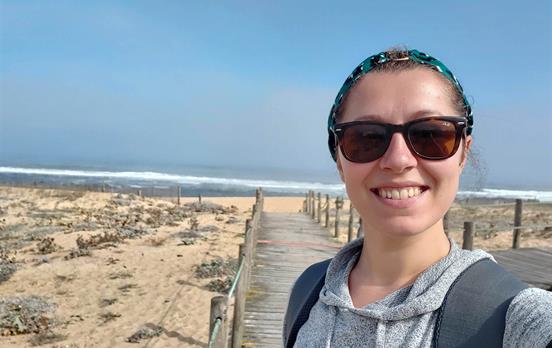
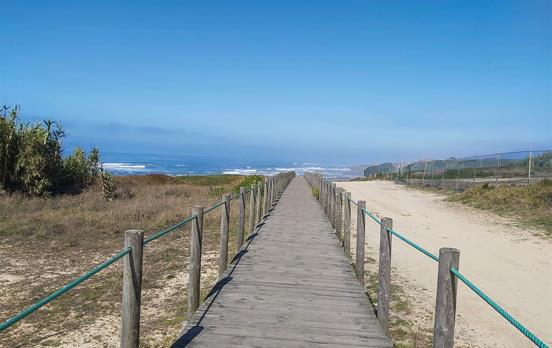
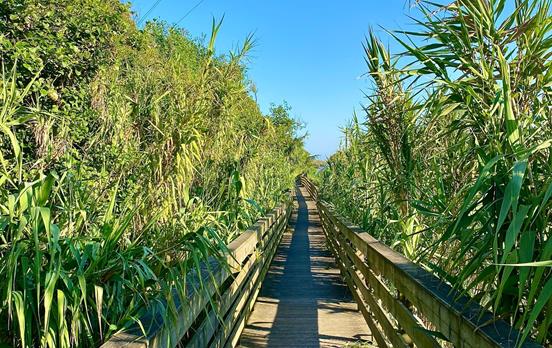
- Terrain: Coastal paths, boardwalks, promenades, sandy stretches
- Start Point: Porto, Portugal
- End Point: Santiago de Compostela
- Getting there: Easy via Porto Airport
- Facilities: Excellent facilities along the coast, with plentiful hotels, restaurants, cafés, and easy-to-follow boardwalks.
Best Time to Walk
March to October, with Atlantic breezes helping keep temperatures comfortable in summer.
Best Suited For
- Seniors
- First-time Camino walkers
- Coastal scenery lovers
- Leisurely walkers
Why Choose the Camino Portuguese Coastal?
- Stunning ocean views
- Flatter daily walking
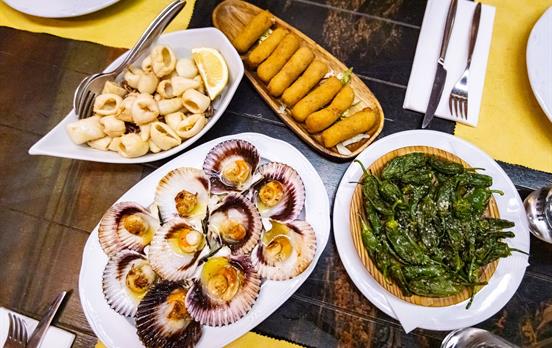
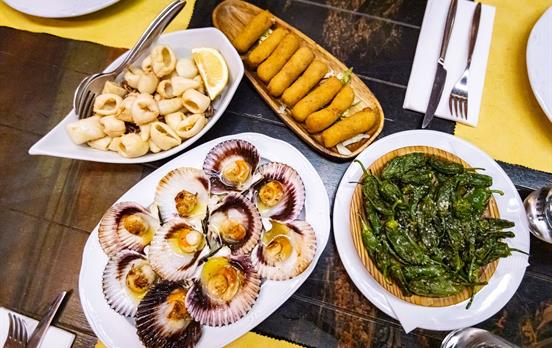
- Fresh seafood and beach towns
- Cooler summer climate
Learn more with our Camino Portuguese Coastal Way guide >
Discover our Camino Portuguese Coastal Way itineraries >

Camino Inglés
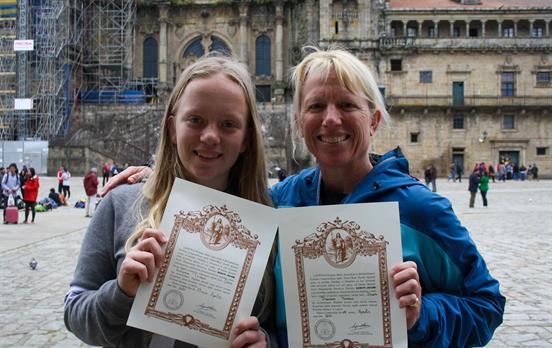
The Camino Inglés is one of the shortest Camino routes that still qualifies walkers for the Compostela certificate.
Route Overview
- Distance: ~113 km / 71 miles
- Typical Duration: 7 days
- Difficulty: Moderate
- Terrain: Rural Galicia and rolling countryside
- Start Point: Ferrol or A Coruña
- End Point: Santiago de Compostela
- Getting there: Easy via Santiago Airport and rail links
- Facilities: Good Facilities with regular accommodation and food stops, though slightly fewer options than the Francés.
Best Time to Walk the Camino Inglés
March to October is the best time to walk the Camino Inglés. Spring and autumn offer cooler temperatures and quieter trails, while July and August bring warmer weather and a livelier atmosphere.
Best Suited For
- Limited-time travellers
- Beginners
- First Camino experiences
- Why Choose the Camino Inglés?
- Short but rewarding
- Peaceful trails
- Ideal introduction to Camino walking
Learn more with our Camino Inglés guide >
Discover our Camino Inglés itineraries >

Camino Primitivo
The Camino Primitivo is considered the oldest Camino route and one of the most physically demanding.
Route Overview
- Distance: ~311 km / 192 miles
- Typical Duration: 16 days
- Difficulty: Challenging
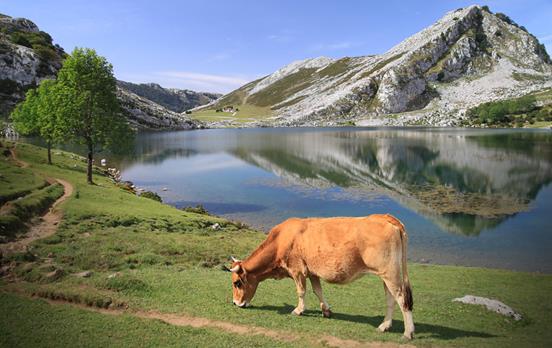
- Terrain: Mountain trails, steep ascents, rugged paths
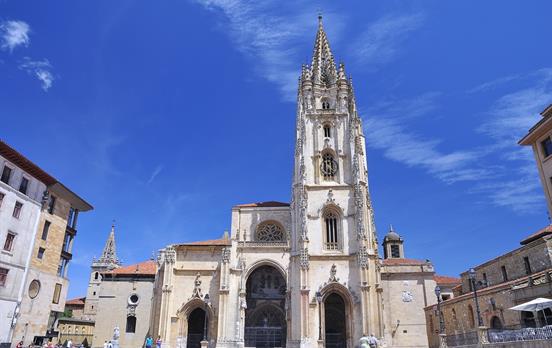
- Start Point: Oviedo
- End Point: Santiago de Compostela
- Getting there: Easy via Asturias Airport
- Facilities: More remote, with fewer services and accommodation options in mountainous sections, requiring a little more planning.
Best Time to Walk the Camino Primitivo
March to October is best for the Camino Primitivo, when the higher mountain sections are more accessible. Spring and autumn are cooler and quieter, while summer offers warmer, longer walking days.
Best Suited For
- Experienced hikers
- Repeat Camino walkers
- Adventure seekers
Why Choose the Camino Primitivo?
- Wild mountain scenery
- Deeply traditional atmosphere
- Fewer crowds
- Greater physical challenge
Learn more with our Camino Primitivo guide >
Discover our Camino Primitivo itineraries >

Camino del Norte
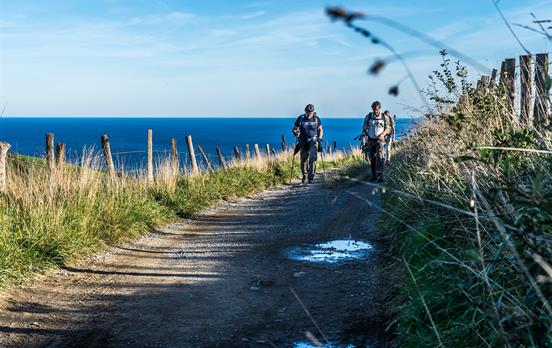
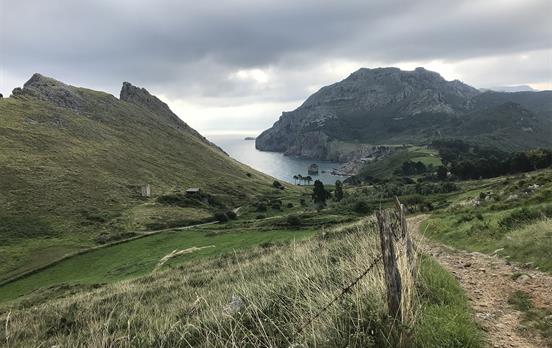
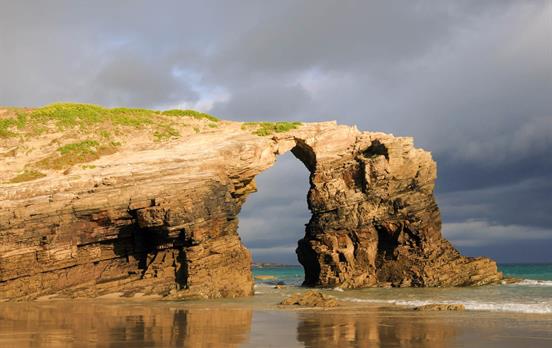
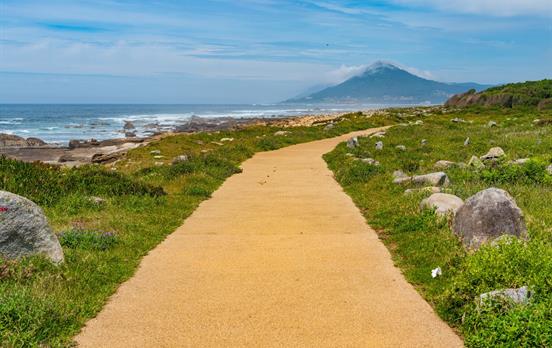
The Camino del Norte follows Spain’s spectacular northern coastline.
Route Overview
- Distance: ~825 km / 515 miles
- Typical Duration: Full route: 42 days | Shorter stages: 8-18 days
- Difficulty: Moderate
- Terrain: Coastal cliffs, hills, beaches
- Start Point: Irún
- End Point: Santiago de Compostela
- Getting there: Bilbao Airport is the best option, with limited flights to San Sebastián Airport
- Facilities: Strong Facilities overall, especially in coastal towns, though some rural stretches have fewer facilities between stages.
Best Time to Walk the Camino del Norte
April to October is ideal for the Camino del Norte. Summer is popular thanks to cooler coastal breezes, while spring and autumn offer quieter trails and mild walking conditions.
Best Suited For
- Scenic-focused walkers
- Experienced long-distance hikers
- Those seeking quieter trails
Why Choose the Camino del Norte?
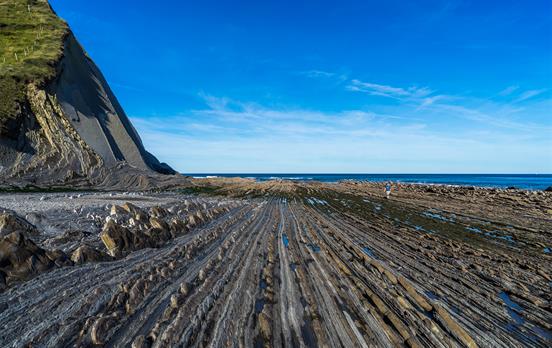
- Dramatic coastal scenery
- Cooler summer temperatures
- Excellent food culture
- Less crowded atmosphere
Learn more with our Camino del Norte guide >
Discover our Camino del Norte itineraries >

Camino Finisterre
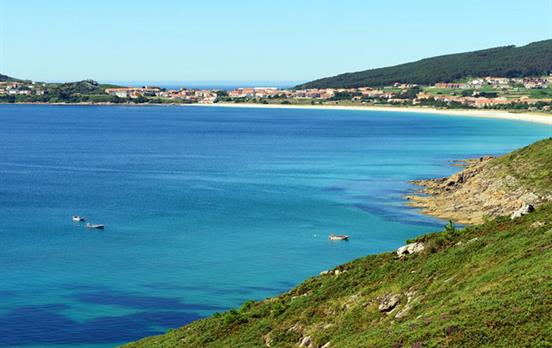
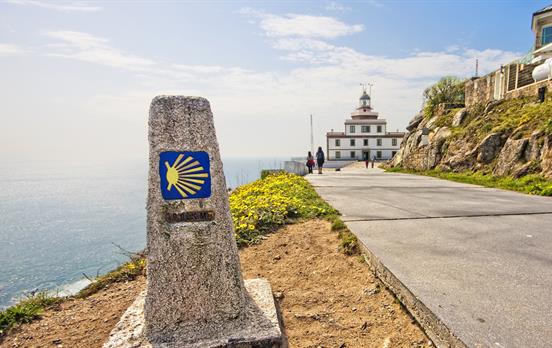
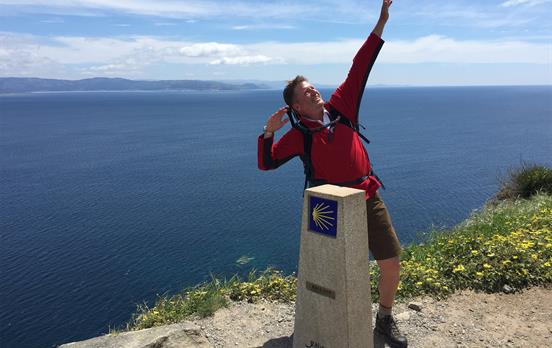
Unlike other Camino routes, the Camino Finisterre begins in Santiago and heads west towards the Atlantic coast.
Route Overview
- Distance: ~89 km / 55 miles
- Typical Duration: 6 days
- Difficulty: Moderate
- Terrain: Rolling countryside and coastal approaches
- Start Point: Santiago de Compostela
- End Point: Finisterre or Muxía
- Getting There: Easy access via Santiago airport
- Facilities: Well-supported with regular guesthouses, cafés, and pilgrim accommodation along the route.
Best Time to Walk the Camino Finisterre
March to November is a great time to walk the Camino Finisterre. Spring and autumn are peaceful and mild, while summer brings warmer days and a more sociable Camino atmosphere.
Best Suited For
- Walkers extending another Camino
- Reflective or symbolic journeys
- Short Camino trips
Why Choose the Camino Finisterre?
- Emotional continuation after Santiago
- Peaceful walking
- Atlantic coastal finish
Learn more with our Camino Finisterre guide >
Discover our Camino Finisterre itineraries >

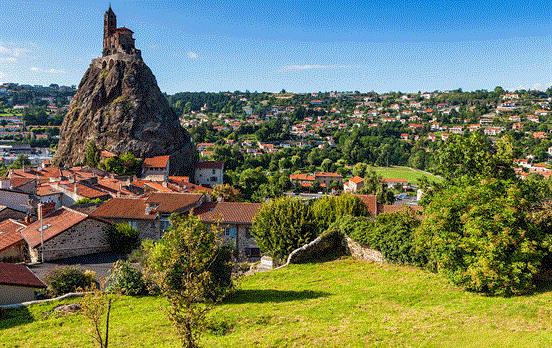
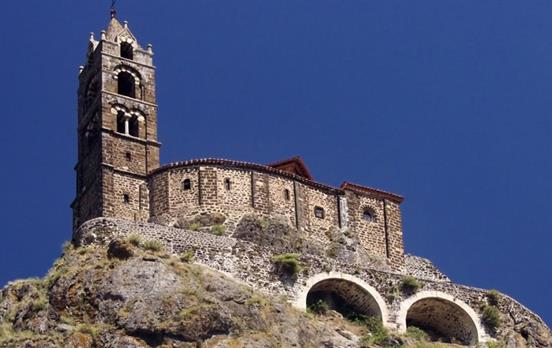
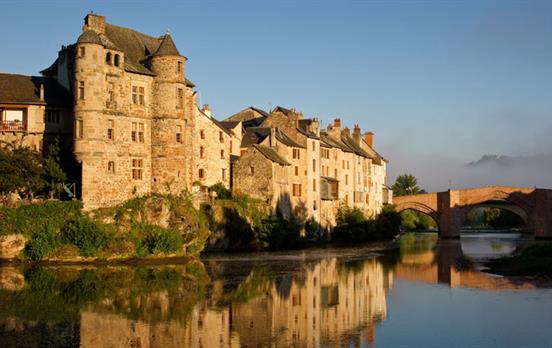
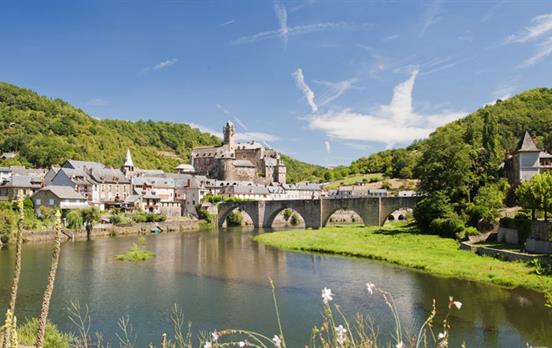
Le Puy Camino (Via Podiensis)
The Le Puy Camino is one of France’s great long-distance pilgrimage routes.
Route Overview
- Distance: ~742 km / 461 miles
- Typical Duration: Full route: 38 days | Shorter stages: 12-16 days
- Difficulty: Moderate
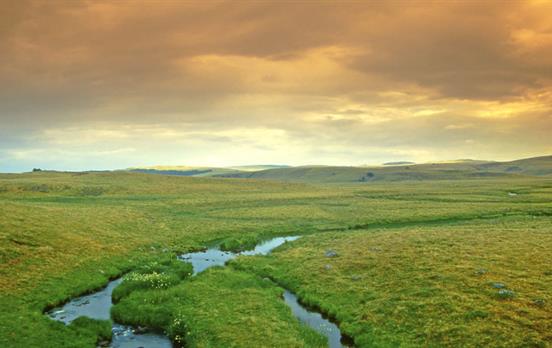
- Terrain: Rural France, volcanic landscapes, medieval villages
- Start Point: Le Puy-en-Velay
- End Point: St-Jean-Pied-de-Port
- Getting There: Access via Lyon Airport or Clermont-Ferrand Airport
- Facilities: Good pilgrim facilities throughout, with traditional auberges, bakeries, and cafés in many villages.
Best Time to Walk the Camino Le Puy
April to October is best for the Camino Le Puy, with warm weather, longer days and beautiful countryside. Spring brings wildflowers, while autumn offers golden landscapes and quieter trails.
Best Suited For
- Cultural travellers
- Experienced walkers
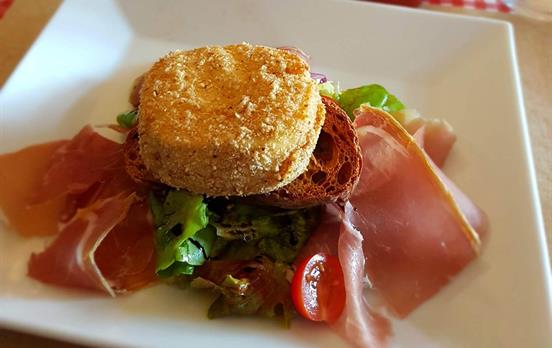
- Lovers of French food and history
Why Choose the Le Puy Camino?
- Rich pilgrimage history
- Beautiful French countryside
- Traditional pilgrim atmosphere
Learn more with our Le Puy Camino guide >
Discover our Le Puy Camino itineraries >

Best Camino Route for First-Timers
The Camino Francés is generally considered the best Camino route for beginners thanks to:
- Excellent Facilities
- Strong pilgrim community
- Frequent accommodation options
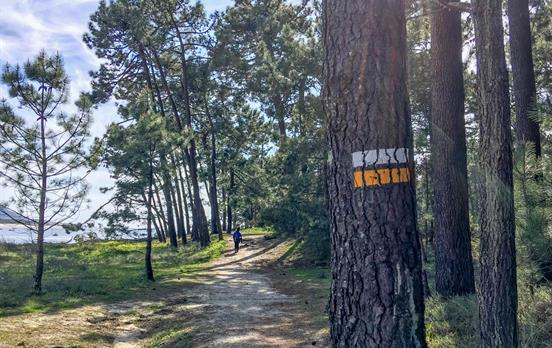
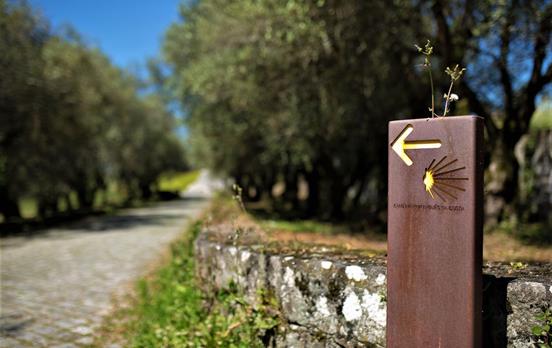
- Clear waymarking
For shorter first Caminos, the Camino Inglés and Camino Portugués Coastal are also excellent options.
Best Camino de Santiago Tours for Seniors
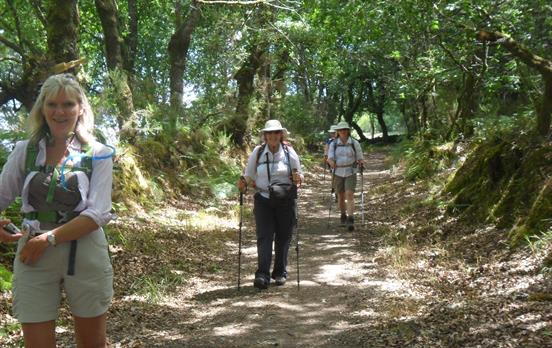
Many seniors walk the Camino comfortably each year, especially on gentler routes with shorter walking stages and luggage transfers.
Top Camino routes for seniors include:
- Camino Portugués Coastal
- Camino Portugués Central from Porto
- Camino Inglés
- Camino Francés final stage from Sarria
Still unsure? Discover which Camino is for me >

FAQs About Camino Routes
-
Which Camino route is the easiest?
The Camino Portugués Coastal is often considered one of the easiest due to flatter terrain and shorter daily walking options.
-
Which Camino route is the most beautiful?
The Camino del Norte is famous for dramatic coastal scenery, while the Camino Primitivo offers spectacular mountain landscapes.
-
Which Camino route is best for beginners?
The Camino Francés is the most beginner-friendly thanks to its facilities and social atmosphere.
-
Can I walk a Camino route in stages?
Yes. Many walkers complete longer Camino routes over multiple trips.
-
What is the quietest Camino route?
The Camino Primitivo and sections of the Le Puy Camino tend to feel quieter and more remote.
Head to our Top Camino FAQs page for more >

Reasons to Book with Macs Adventure
Planning a Camino should feel exciting, not overwhelming. With Macs Adventure, everything is taken care of so you can focus on the experience itself.
- Carefully chosen accommodation with daily breakfasts
- Daily luggage transfers
- Detailed route info and navigation support via our award-winning app
- 24/7 emergency assistance
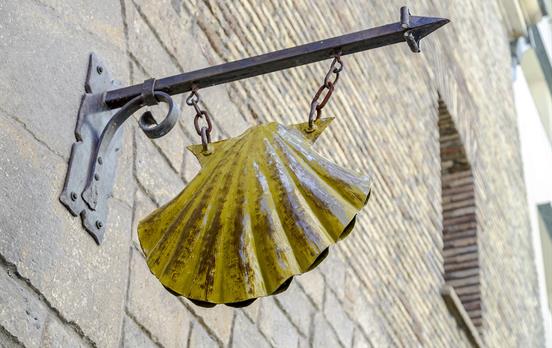
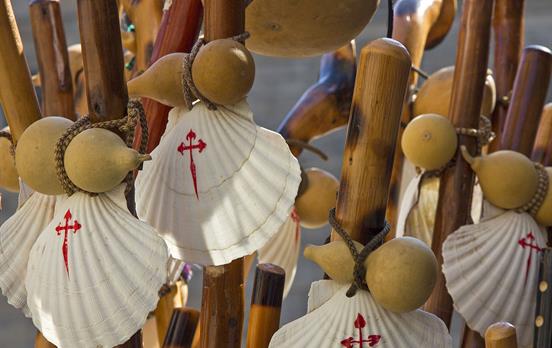
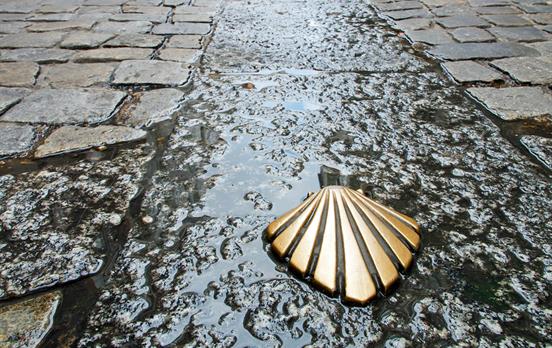
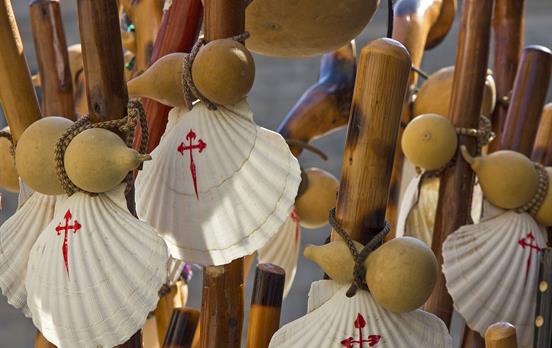
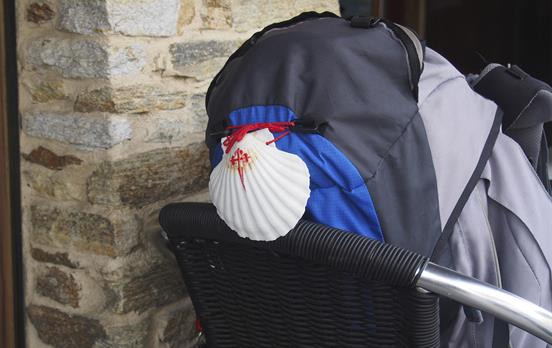
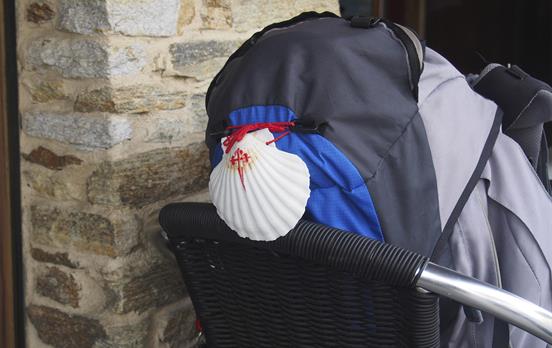
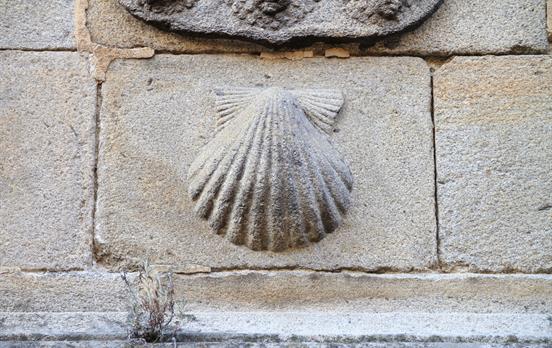
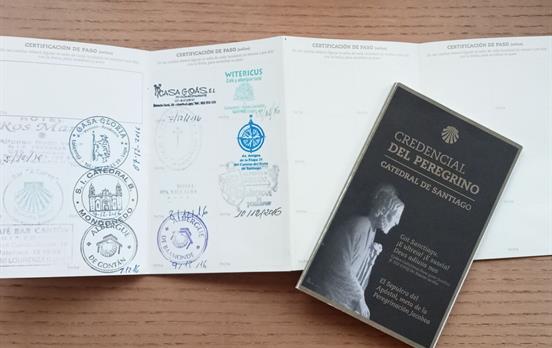
- Pilgrim passport and Camino shell included
All that’s left for you to do is follow the trail-and enjoy every step.

People Also Ask
- Ultimate Guide to the Camino de Santiago
Everything you need to know about routes, planning, and what to expect.
Read the ultimate Camino guide >
- What is a Camino?
A Camino is a long-distance pilgrimage journey, traditionally walked (or cycled), that follows historic routes leading to Santiago de Compostela in northwest Spain.
Learn more about the History of the Camino >
- Which Camino Is Right for Me?
Compare routes and find the Camino that best suits your pace, interests, and experience.
Find your Camino >
- What Should I Pack for My Camino Trip?
From footwear to essentials, pack smart and walk comfortably.
See the Camino packing list >
- Tips for Travelling to and From the Camino
Practical advice on flights, transfers, and route logistics.
Plan your journey >
- Essential Camino Phrases
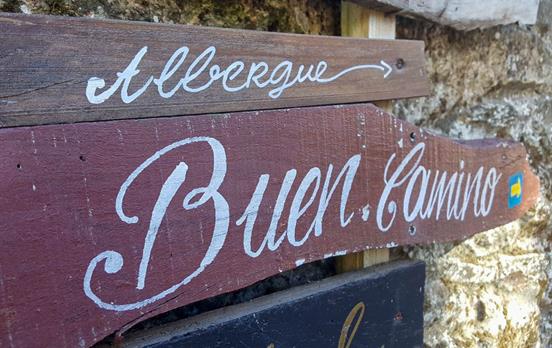
Helpful Spanish phrases for pilgrims along the way.
Learn Camino phrases >
- How Fit Do I Need to Be to Walk a Camino Route?
Understand the physical demands and how to prepare.
- Camino FAQs
Clear answers to the most common Camino questions.
Read Camino FAQs >






















 Australia
 New Zealand
 South Africa
 European Union