



The Bernese Oberland is an ideal vacation destination for anyone interested in Swiss culture, nature, and mountains. Planning the perfect hiking trip takes a little finesse, depending on what you’re looking for. Maybe you want a challenge, a little indulgence, your first alpine vacation, or a mix of all three. Whatever your style, this Bernese Oberland hiking guide will help you plan your trip.

Where Is the Bernese Oberland?
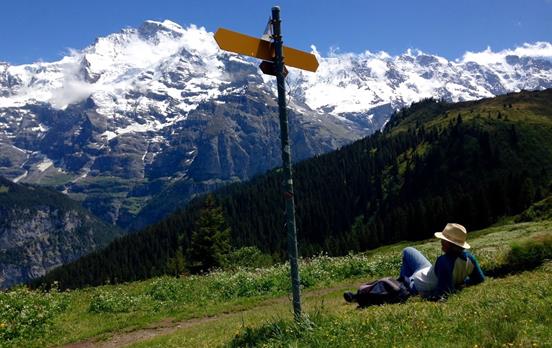
Tucked into the middle of Switzerland, the Bernese Oberland sits just southeast of the city of Bern. Interlaken is the largest town in the region, with smaller, iconic villages including Grindelwald, Mürren, Wengen and Lauterbrunnen.
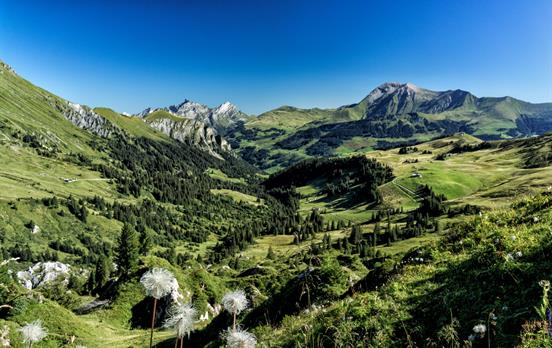
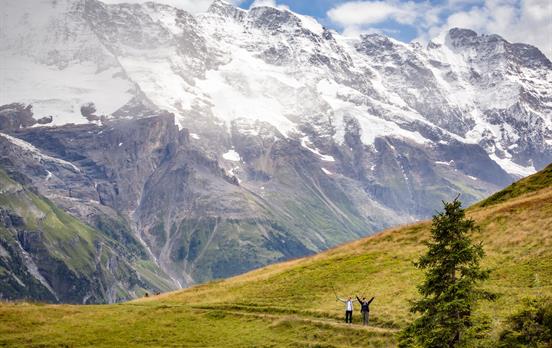
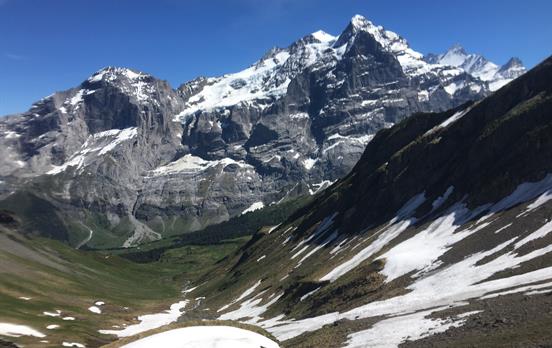
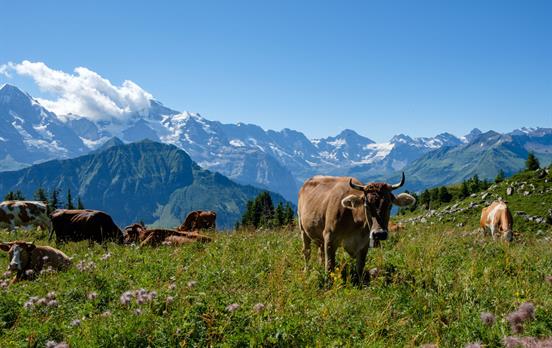
The Bernese Oberland is often the answer to the question, “If you could visit just one place in Switzerland, where would it be?” The region is known for its lakes, valleys, waterfalls and iconic mountain peaks.
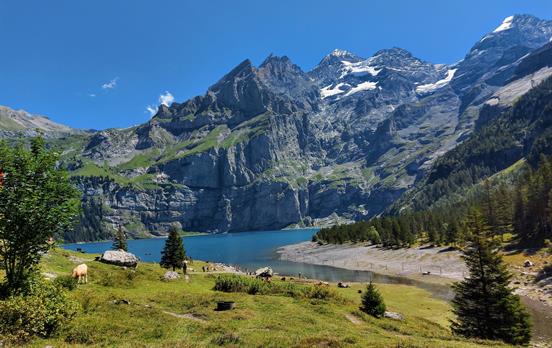
It’s also worth knowing that the Bernese Oberland is bigger than the popular Jungfrau region. While Grindelwald, Wengen, Mürren and Lauterbrunnen are some of the best-known bases, the region also stretches to places like Kandersteg and Oeschinensee.

When Is the Best Time to Hike the Bernese Oberland?
June: June is best for lower-elevation hiking – especially the Best of the Bernese Oberland and Best of the Bernese Oberland in Style starting mid-june. The valleys are lush and green after the snow melts, while the higher peaks are still snow-covered. Expect cooler temperatures and some closures on higher alpine trails.
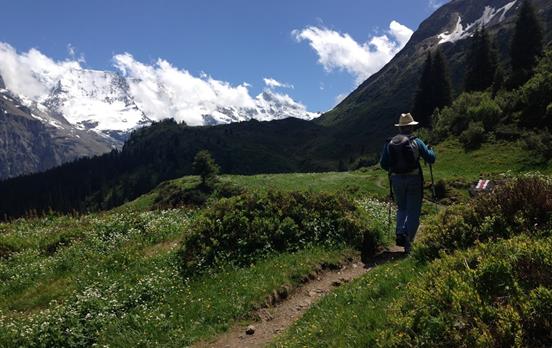
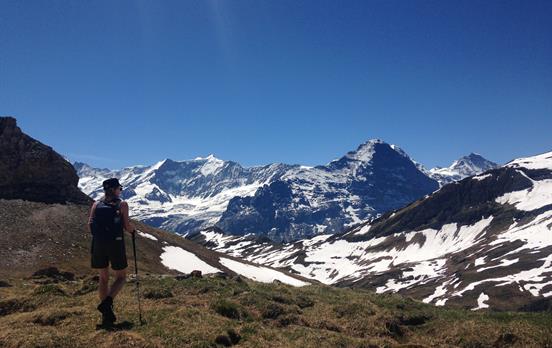
July and August: This is the sweet spot for hiking in the Bernese Oberland. You’ll find everything from lower-elevation trails to clear, snow-free routes at higher elevations. Expect wildflowers, long days, and plenty of sunshine, although mountain weather can still change quickly.
September: September can be a great time to visit, especially if you want fewer crowds. There is still a chance of snow on high alpine passes, but beginner-friendly trails at lower elevations are a great option. Think crisp mornings, fall sweater weather and plenty of sunny afternoons.
For the full hiking network, mid-June through September is the general season to keep in mind. Higher trails can open later depending on snow, so always check trail and lift conditions before setting out.

How Many Days Should I Stay in the Bernese Oberland?
We recommend five to ten days for a hiking trip in the Bernese Oberland.
Five days gives you a great introduction to the region, with enough time to hike and experience some of the most famous villages. Eight to ten days lets you slow down, explore more trails and build in some flexibility for mountain weather.
And that flexibility matters. The mountains can create their own weather, so having an extra day or two means you’re less likely to miss out on a hike because of clouds or rain.

Where Should I Stay in the Bernese Oberland?
There are several great towns to choose from, and where you stay can shape your entire trip.
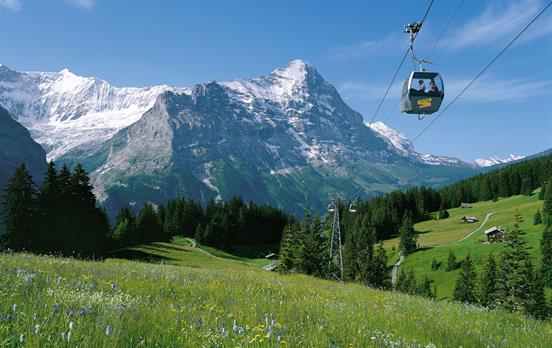
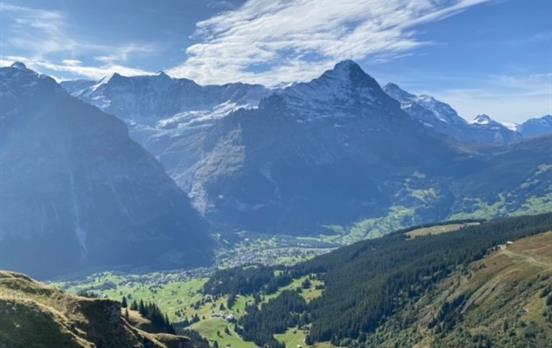
Grindelwald: A glacier village beneath the Eiger, Grindelwald is a great base for first-time visitors. It has a huge variety of hiking options and is one of the easiest places to reach by train.
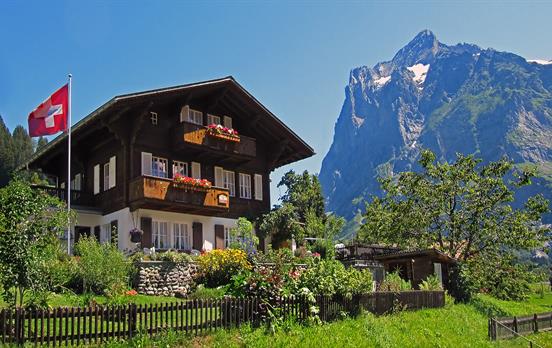
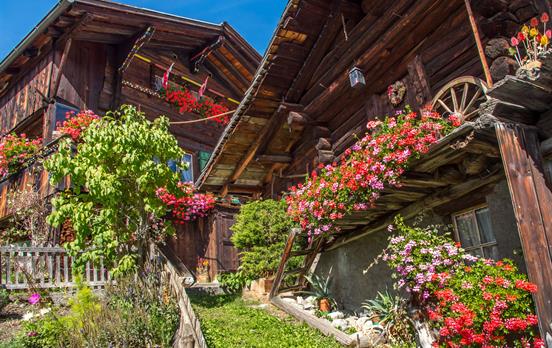
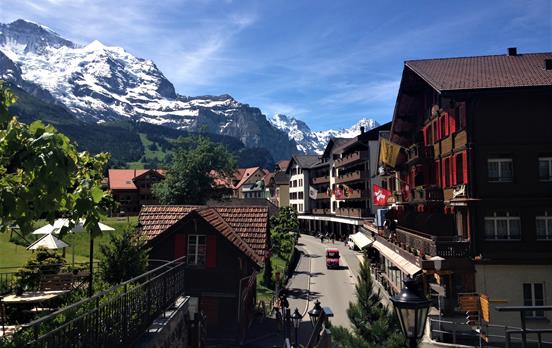
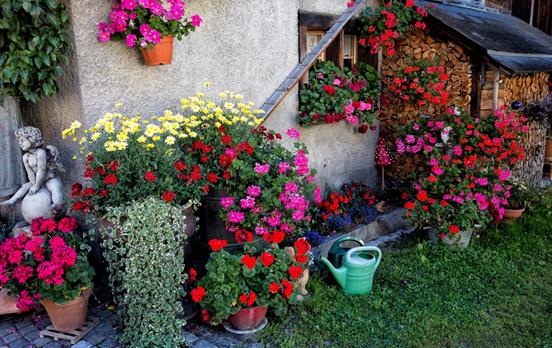
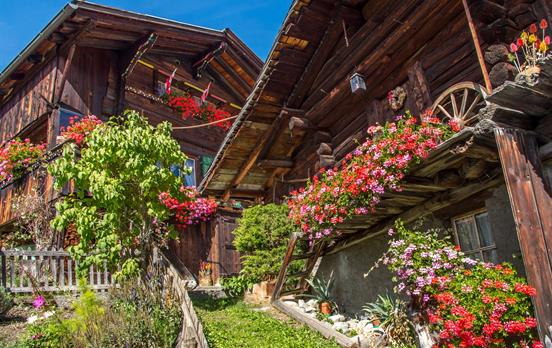
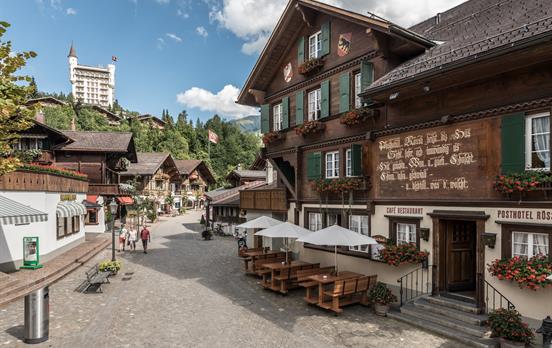
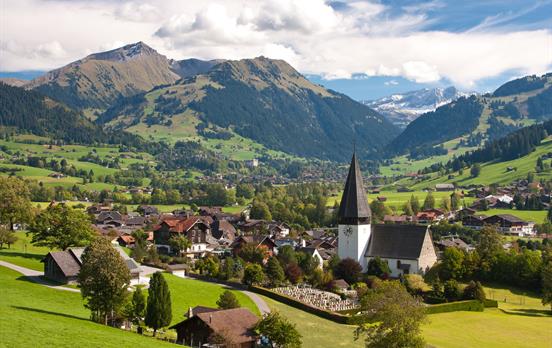
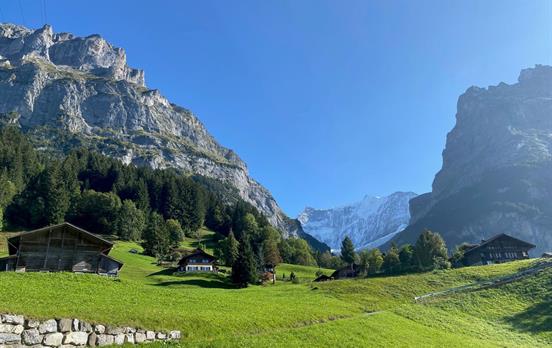
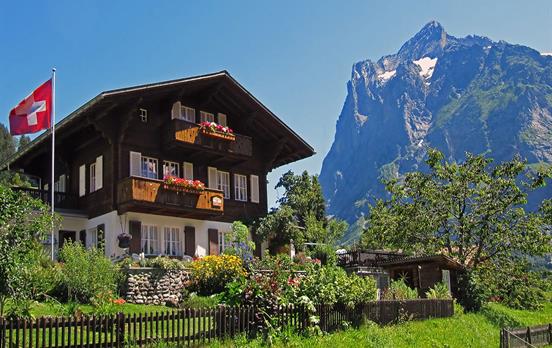
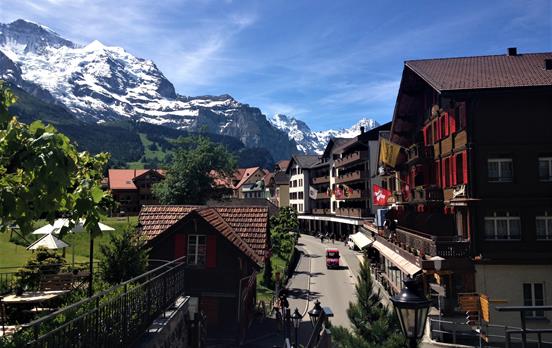
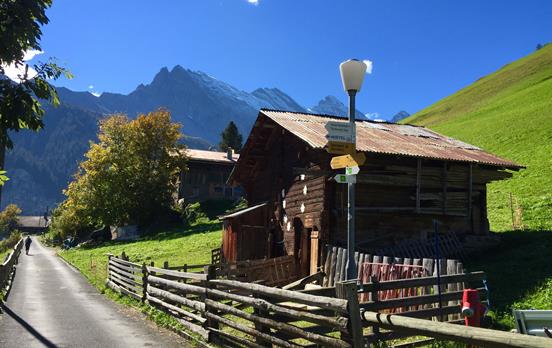
Wengen: A classic Swiss village with historic wooden chalets, bright flower boxes and a relaxed atmosphere. Wengen is car-free and sits high above the Lauterbrunnen Valley, giving you great views right from town.
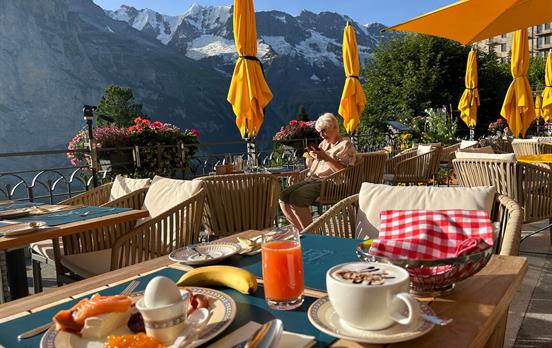
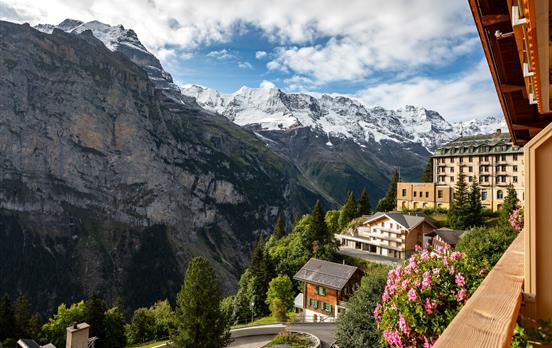
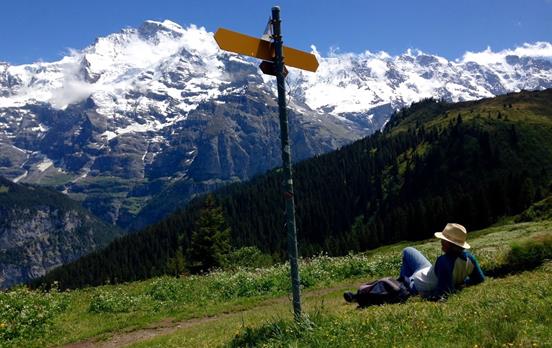
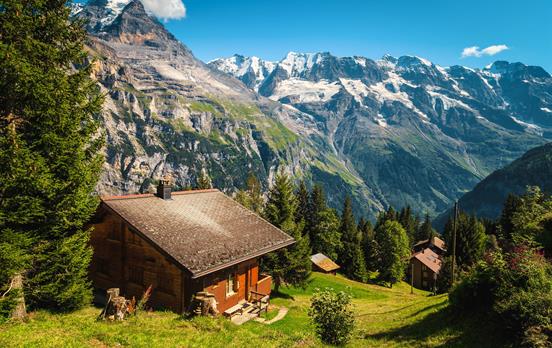
Mürren: A small, car-free mountain village perched high above the valley, with incredible views of the Eiger, Mönch and Jungfrau. It takes a little more effort to reach, but the views from town make it worth it.
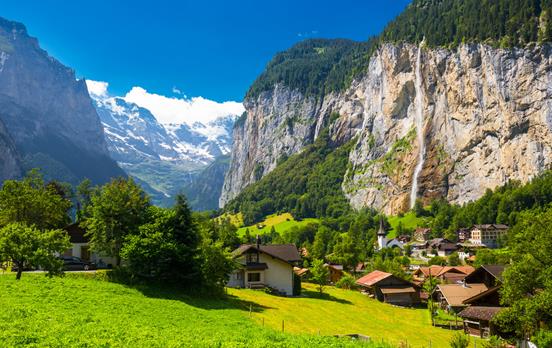
Lauterbrunnen: The ultimate transportation hub for exploring the region, Lauterbrunnen sits in the valley of 72 waterfalls. Stay an extra night in the valley and explore the falls, or admire them as you pass through.

What Are the Best Things to Do in Grindelwald, Wengen, Mürren and Lauterbrunnen?
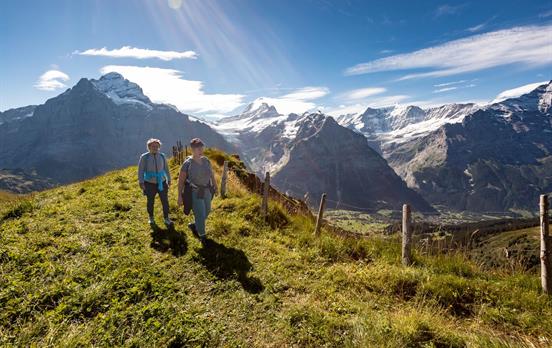
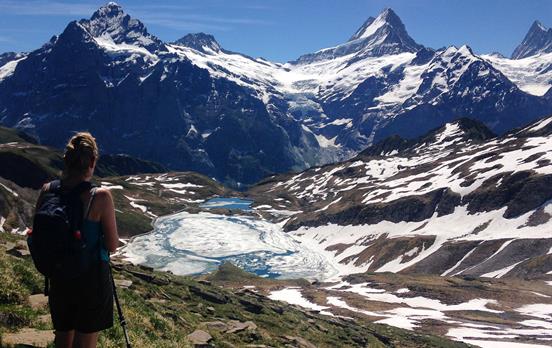
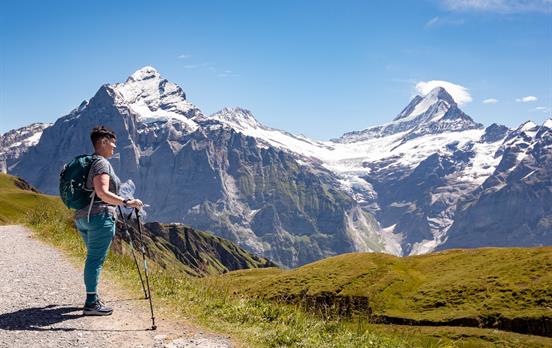
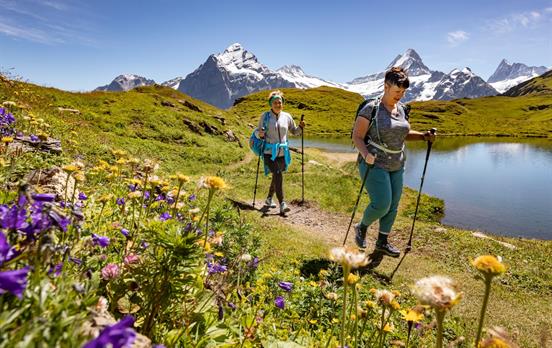
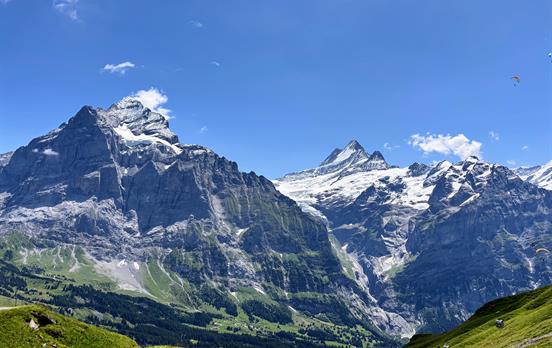
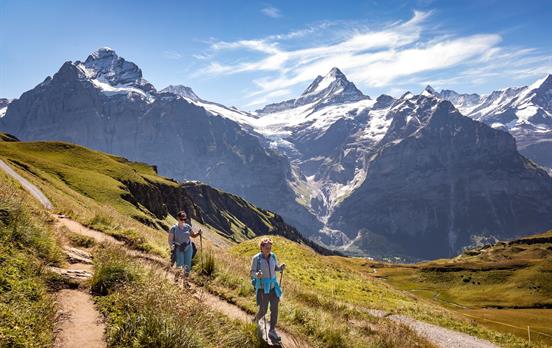
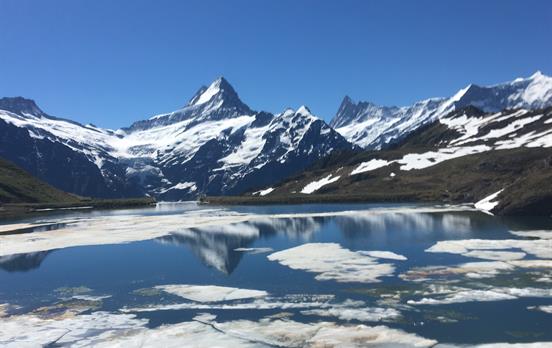
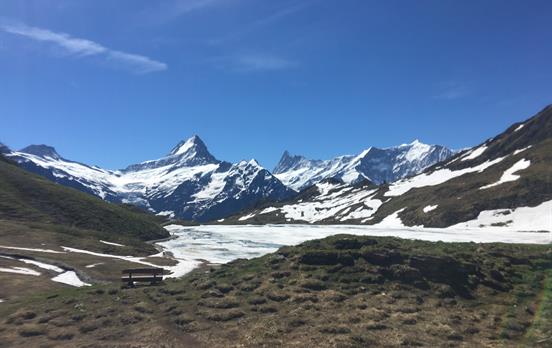
Grindelwald: Spend some time exploring the village, an alpinist’s paradise, or take on the challenging ascent to Faulhorn. You can also head to Bachalpsee, one of the region’s famous alpine lakes, with the Wetterhorn as a backdrop.
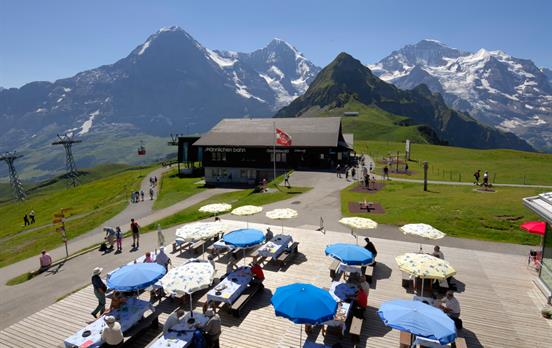
Wengen: Hike or take the train up to Kleine Scheidegg, a mountain pass at 6,762 feet and an important starting point for hikes in the area. From here, you can choose from beginner-friendly walks to more challenging routes. Back in Wengen, enjoy traditional Swiss food and views over the Lauterbrunnen Valley.
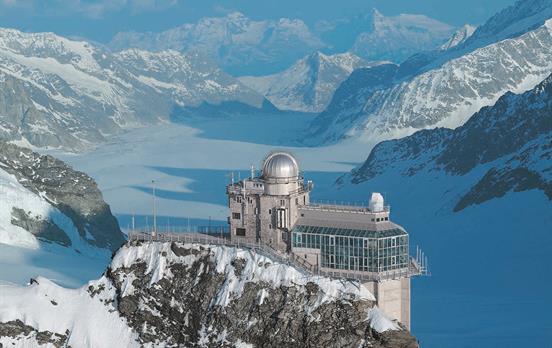
Mürren: Head up to the Schilthorn, famous around the world as a filming location for the James Bond film On Her Majesty’s Secret Service. At the top, you’ll find a revolving restaurant and panoramic mountain views before taking the cable car back toward Mürren.
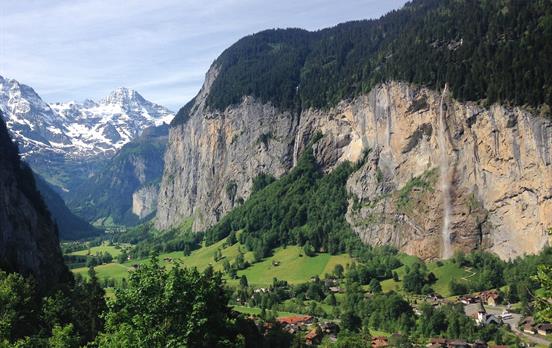
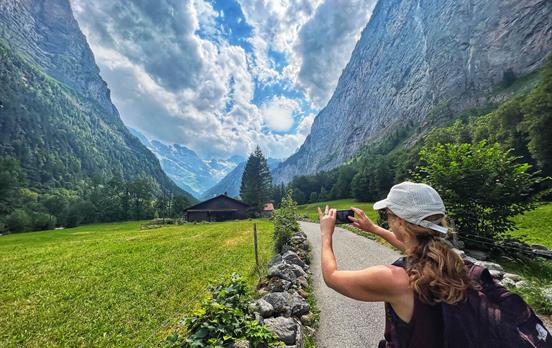
Lauterbrunnen: This is the iconic Swiss valley of waterfalls. Explore the valley on foot and make time for Staubbach Falls, one of the most famous waterfalls in Switzerland.
Fancy a thrill? Add an extra day for a guided via ferrata or paragliding experience. It’s an easy way to add a little adventure to your hiking trip without committing your entire vacation to it.

How Do I Get to the Bernese Oberland?
Trains! You can get almost anywhere you need to go by public transportation, and it’s surprisingly easy. Apps like SBB and Omio can help you plan your journey.
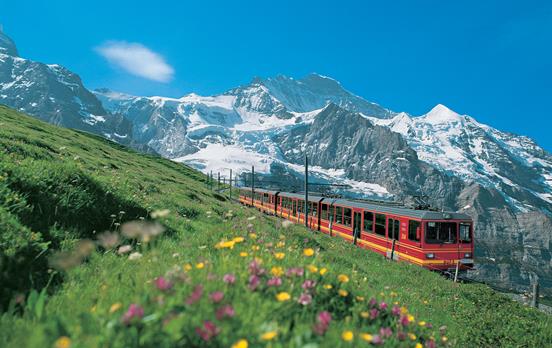
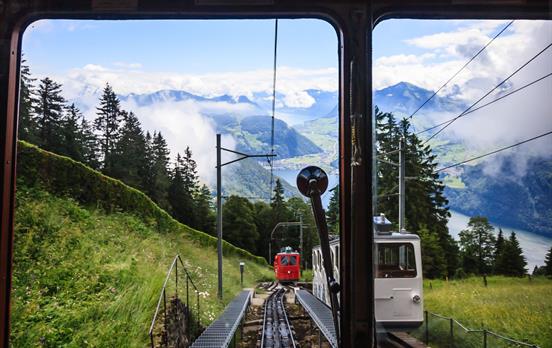
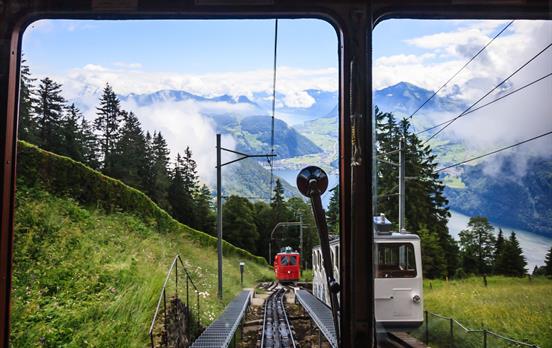
Beyond trains, cogwheel trains, gondolas, cable cars and mountain lifts make it easy to get to trailheads and viewpoints throughout the region. This is one of the best things about hiking in the Bernese Oberland: you can make your days as hard or as easy as you want.
Take a lift up and hike down. Take the train to a higher starting point. Or hike point-to-point and take the train back to your hotel at the end of the day. You have options.

What Bernese Oberland Hikes Are Worth Planning a Trip to Switzerland Around?
There are plenty of trails to choose from, but these are some of our favorite ways to experience the region.
Grindelwald Trail: This trip has a little bit of everything. Spend a night high in the Alps, explore iconic Bernese Oberland towns and take on a higher-elevation challenge. You’ll get a taste of village life, hut stays and some serious mountain scenery all in one trip.
Best of the Bernese Oberland: One of our most beginner-friendly alpine hiking options. You can make your days as easy or challenging as you like, with time to enjoy spas and explore the towns or add a harder trail or via ferrata.
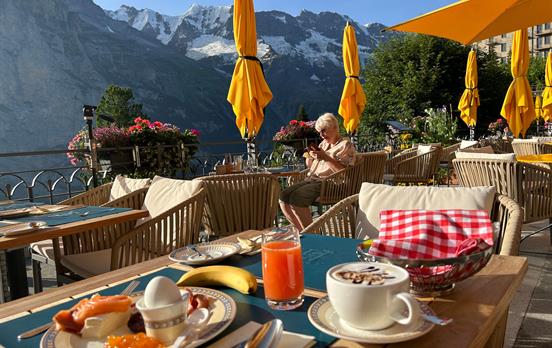
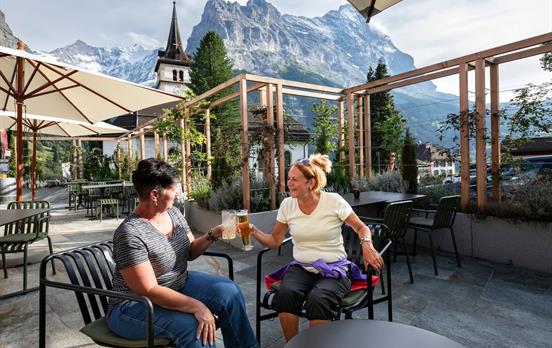
Bernese Oberland In Style: The Bernese Oberland, elevated. Choose from daily hikes before settling into four- and five-star alpine chalet-style hotels at night. Think beautiful terraces, mountain views and plenty of time to enjoy the finer side of the Alps.
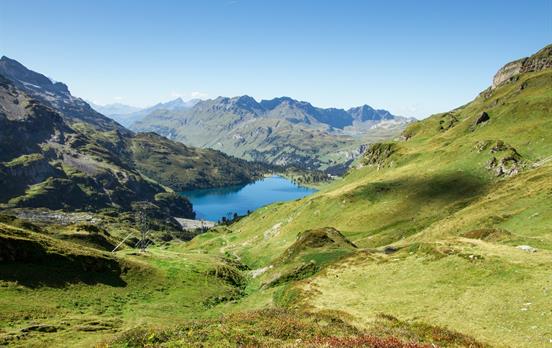
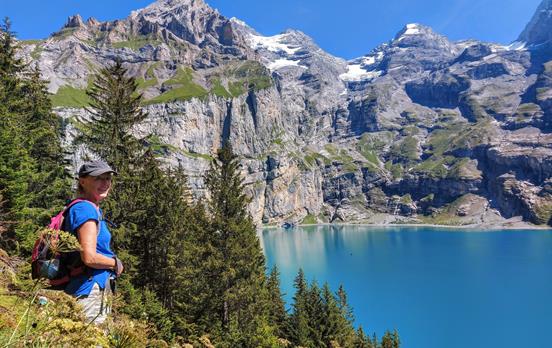
Via Alpina West: Are you an experienced hiker who welcomes a challenge? This strenuous route is best suited to hikers with experience on long-distance, high-elevation trails. Cross eight passes and be rewarded with some of the most impressive landscapes in the Bernese Oberland including the famous Lake Oeschinensee.

Is the Bernese Oberland Good for Beginners?
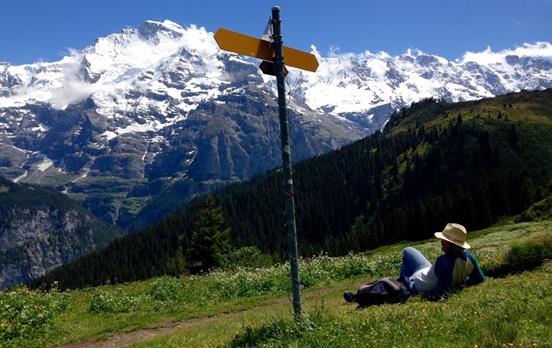
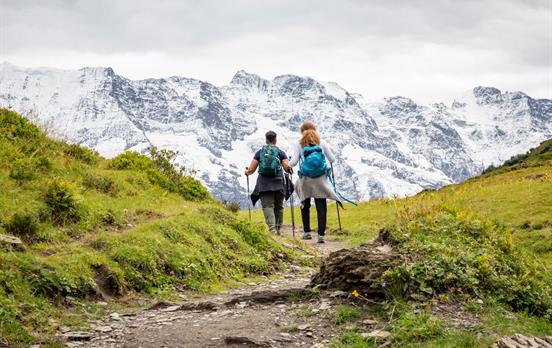
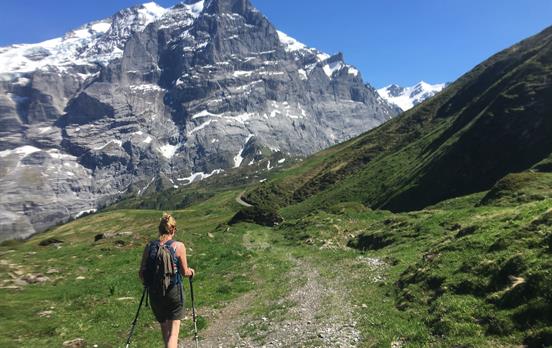
Absolutely. The extensive public transportation network makes the Bernese Oberland an especially good introduction to alpine hiking. You can experience some of Switzerland’s most famous mountain landscapes without committing to a difficult hike every day.
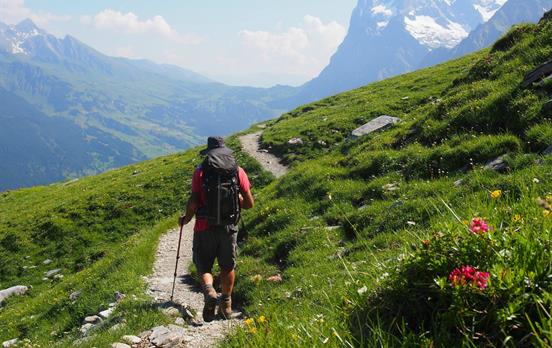
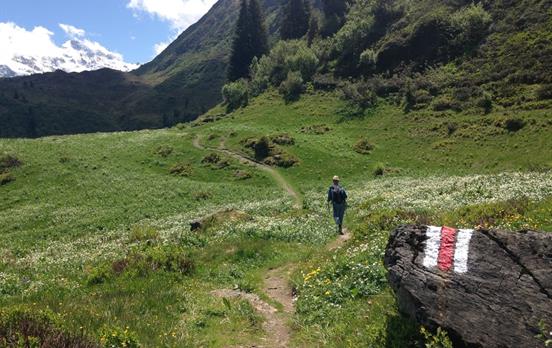
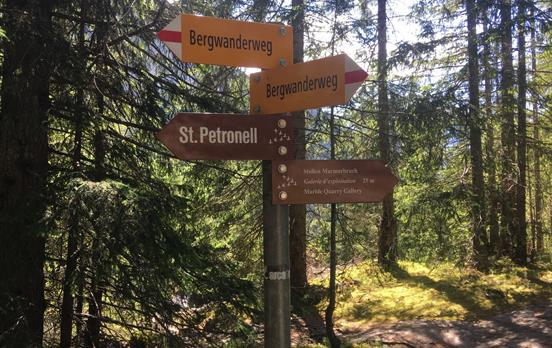
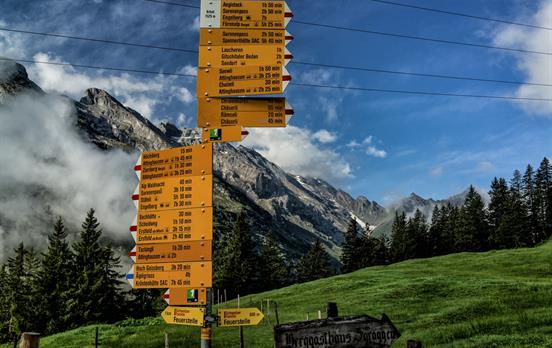
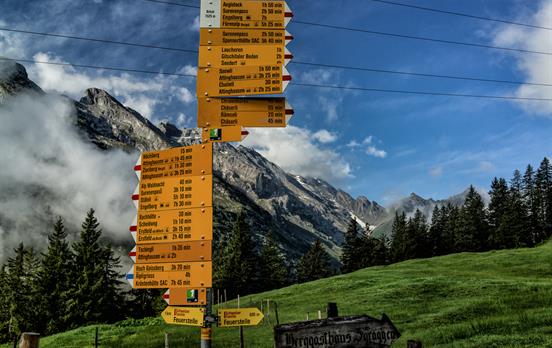
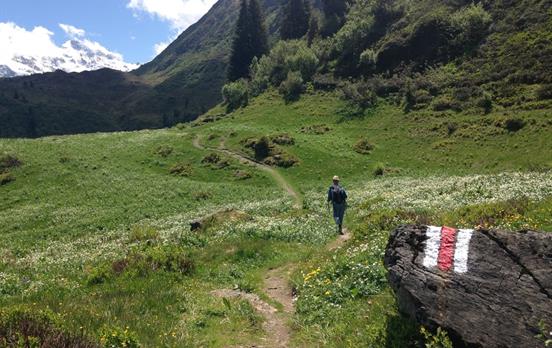
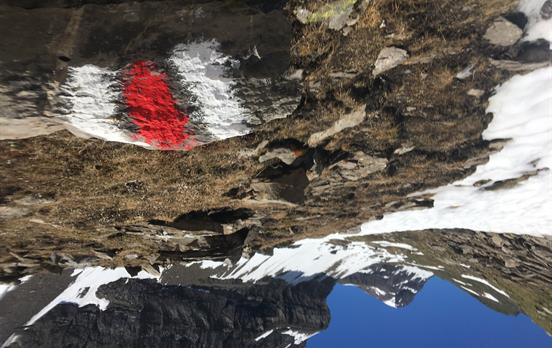
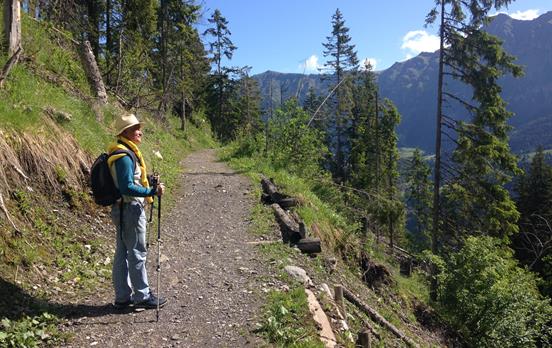
Cable cars, trains, cogwheel trains and gondolas can take the climbing out of a route, while the well-marked trail network makes it easier to navigate.
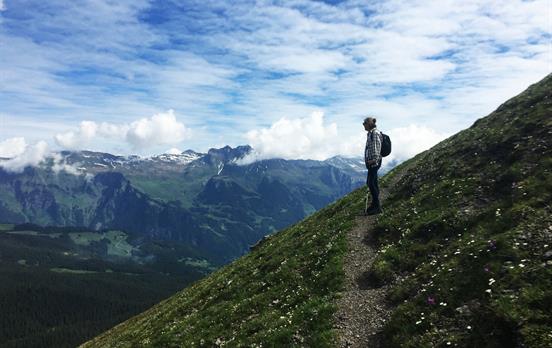
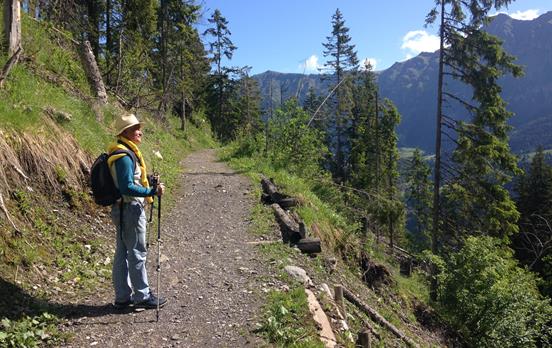
That said, “easy” in the Alps is still alpine terrain. Weather can change quickly, and even an easier trail can have steep sections or uneven ground. Start with a route that matches your experience, and don’t be afraid to use the lifts when you need them.

What to Eat in the Bernese Oberland
You must try the classic Swiss delicacies!
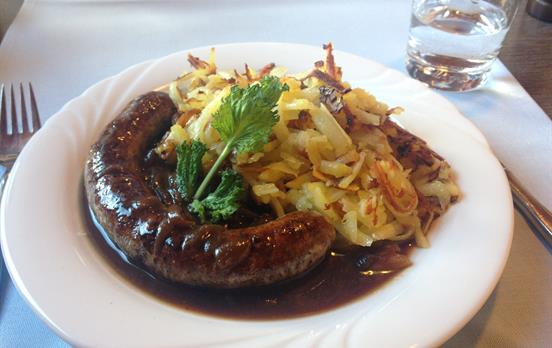
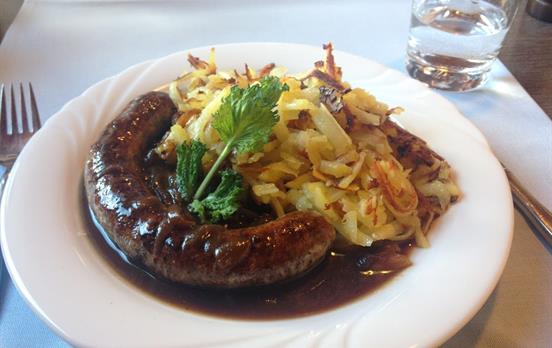
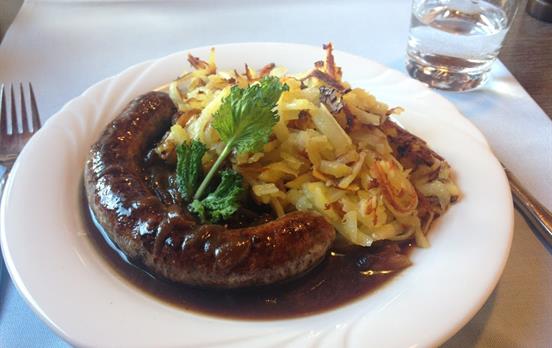
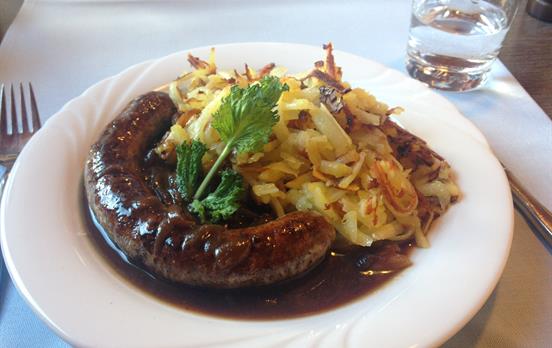
Rösti: A national favorite made from grated potatoes cooked in butter until crispy on the outside.
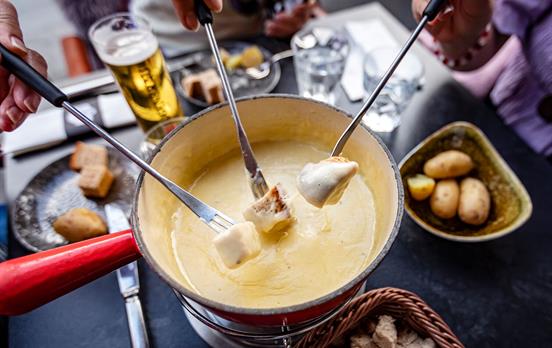
Fondue: A pot of melted cheeses such as Gruyère and Emmental, mixed with white wine, garlic and a splash of kirsch, then served with crusty bread and potatoes.
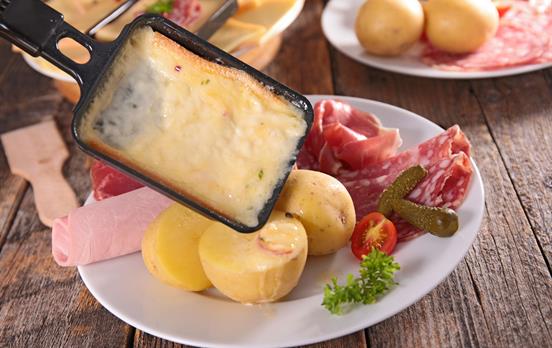
Raclette: Melted alpine cheese scraped directly over boiled potatoes, usually served with pickles, pickled onions and cured meats.
And don’t worry if you’re vegetarian or pescatarian. You’ll find plenty of delicious options throughout the region. Do not skimp on the cheese, bread, homemade pasta and farm-grown potatoes. You’ll be well fueled for your next day on the trails.

Ready to Plan Your Bernese Oberland Hiking Trip?
Now that you know when to go, where to stay and how to get around, it’s time to start planning your Bernese Oberland adventure.
With a Macs Adventure trip, we take care of the planning, accommodations, luggage transfers and route details. You get to focus on the hiking, the mountain views and deciding what you’re ordering for dinner.


















 Canada