



Hiking Through the Irish Home of Samhain
Every October, millions of people carve pumpkins, dress up, and knock on doors without ever asking the question: where did Halloween originate? The answer isn't America, and it isn't Hollywood. It's Ireland – a country you can still hike from coast to coast, past the burial cairns, fairy forts, and misty valleys where the whole thing began over 2,000 years ago.
So before you buy the treats, here's the real story of Halloween. And if it leaves you wanting to see the source material for yourself, we know a few good hikes.

Where Does Halloween Come From?
Halloween comes from Samhain (pronounced sow-in), an ancient Celtic festival marking the end of the harvest and the beginning of winter. For the Celts of Ireland, the year had a light half and a dark half, and Samhain was the threshold between them – celebrated from sunset on 31st October into 1st November.
The Celts believed that on this night, the boundary between the living world and the Otherworld grew thin. Spirits and ancestors could cross over. Fires were lit to guard against them, food was left out to please them, and people disguised themselves so wandering souls couldn't recognize them.
Sound familiar? Costumes, treats, and tricks in the night – the blueprint was drawn in Ireland long before anyone strung up a plastic skeleton.

What is Samhain?
Samhain was one of the four great festivals of the Celtic calendar, and arguably the most important – many scholars consider it the Celtic new year. It was a time for taking stock: cattle were brought down from summer pasture, harvests were gathered in, and communities came together around great bonfires.
Two Irish sites sit at the heart of it. At the Hill of Ward in County Meath – known in Irish as Tlachtga – a ceremonial fire was lit to open the festival, with flames carried out to rekindle hearths across the land. And at Rathcroghan in County Roscommon, the cave of Oweynagat was known as Ireland's "gate to hell", from which the Morrígan, the shape-shifting goddess of war and fate, was said to emerge each Samhain.
That's the thing about Halloween in Ireland - these legends aren't abstract stories, they're real places you can stand in.

Why Do We Celebrate Halloween?
We celebrate Halloween because two traditions merged. In the 8th century, the Christian church established All Saints' Day (All Hallows' Day) on 1st November, which made 31st October All Hallows' Eve – eventually shortened to Halloween. The church's timing overlapped with Samhain, and rather than replacing the old customs, the new festival absorbed them.
The bonfires stayed. So did the disguises, which became "guising" – children going door to door performing songs or verses in exchange for food. Turnips were hollowed out and carved into lanterns to ward off spirits, including one very specific spirit: Stingy Jack, a trickster doomed to wander the earth with only an ember in a carved turnip to light his way. Jack of the lantern. Jack-o'-lantern.
When Irish emigrants crossed the Atlantic in the 19th century, particularly during and after the Famine of the 1840s, they took these traditions with them. In America, the humble turnip was swapped for the far easier-to-carve pumpkin, and the festival grew into the billion-dollar spectacle we know today. But the bones of it – every last one – are Irish.

Who Invented Halloween?
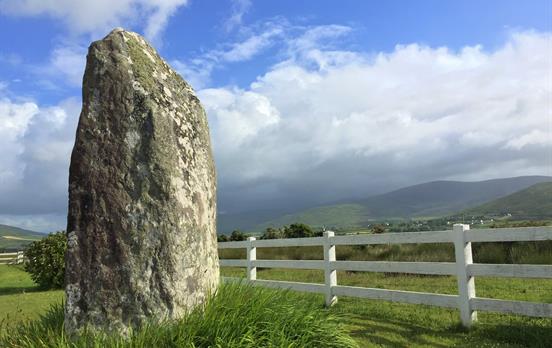
No single person invented Halloween, but if you want a culprit, it's the Celts of ancient Ireland. Samhain was their festival, the customs were theirs, and the landscape that shaped those beliefs is still there – lakes said to hold sleeping chieftains, cairns understood as doorways to the Otherworld, and ringforts that farmers still won't touch for fear of disturbing the fairies.
What Year Did Halloween Start?
There's no exact start date, but Samhain is at least 2,000 years old, with some of its associated sites – like the passage tombs aligned to the Samhain sunrise – dating back much further. The name "Halloween" itself is younger, first appearing around the 16th century as a Scots contraction of All Hallows' Eve. So, depending on how you count, Halloween started either five centuries ago or well before the Romans arrived in Britain. Either way, it's had plenty of time to perfect its costume.

Halloween in Ireland Today
Halloween in Ireland never went away. Barmbrack, a fruit loaf with charms baked inside, still appears on tables every October – find the ring in your slice and marriage is on the way. Derry hosts what's regularly named Europe's biggest Halloween festival, and the Púca Festival in County Meath celebrates Samhain at the very sites where it began.
And the older, quieter version of Halloween in Ireland is still out there too – on the trails. Here's where to find it.

The Wicklow Way – Fairy Castles and Hellfire
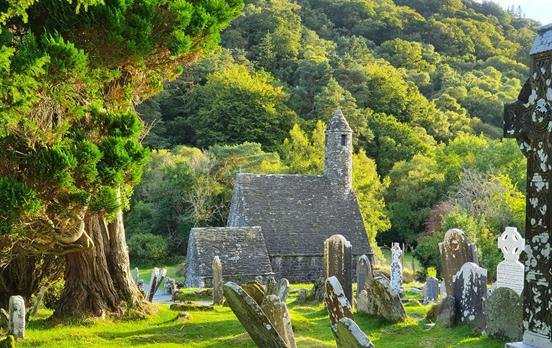
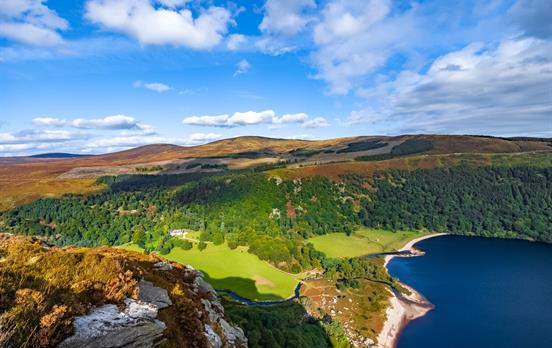
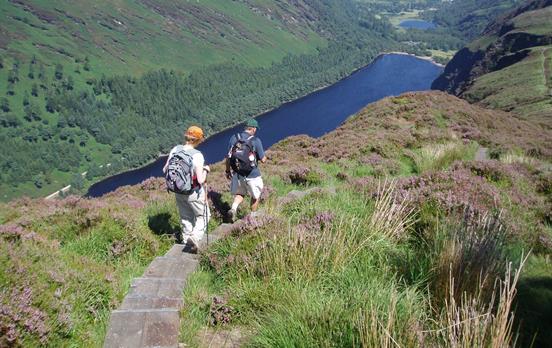
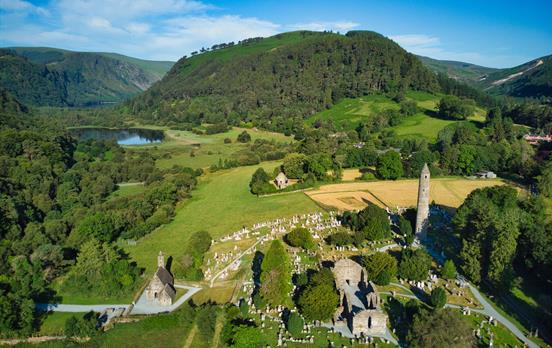
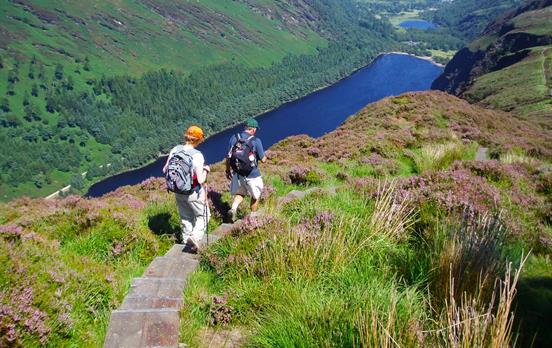
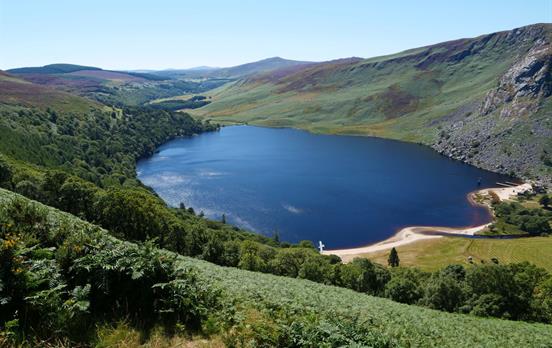
Less than an hour from Dublin, the Wicklow Way climbs into mountains older than the Alps. Early on the trail, you can reach the cairn on Fairy Castle – a Bronze Age burial mound, and in Irish tradition, mounds like this were sídhe: doorways to the Otherworld, exactly what Samhain was believed to open. Nearby Montpelier Hill holds the ruins of the Hellfire Club, Ireland's most notorious haunted building, where the Devil himself is said to have joined a card game. Add the 6th-century monastic ruins of Glendalough, and you've got the most Halloween-appropriate hiking vacation in Ireland.

The Kerry Way – Ghosts of Killarney
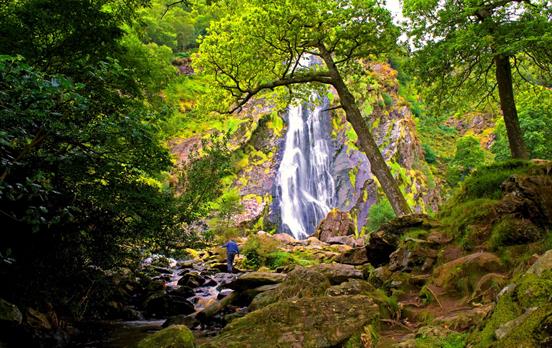
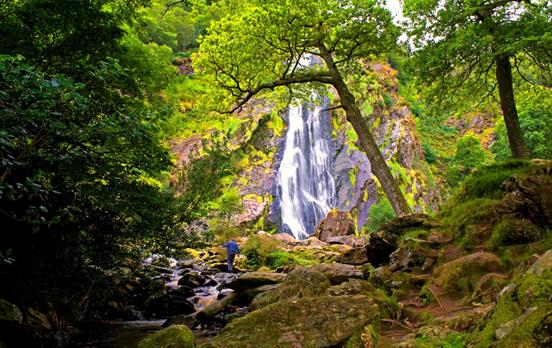
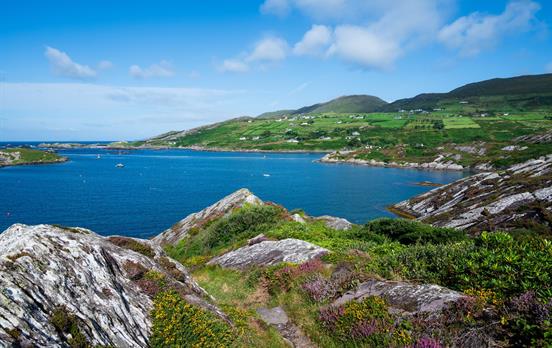
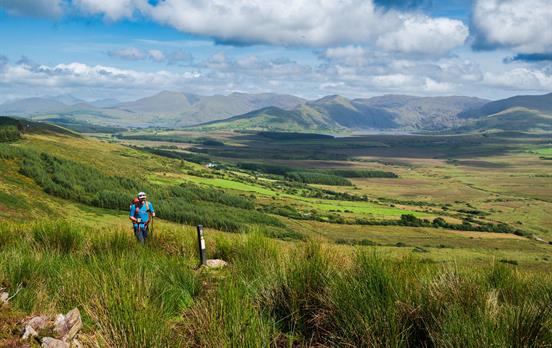
Ireland's longest national trail winds through Killarney National Park, where the legends run deep – literally. Lough Leane is said to hold the ghost of the chieftain O'Donoghue, who rises from the water on a white horse, bringing a lifetime of luck to anyone who sees him. Torc Waterfall takes its name from a cursed man doomed to become a wild boar each night. And in Killorglin, one of the towns along the way, locals still crown a wild goat as King Puck each year – one of Europe's oldest surviving pagan festivals.

The Dingle Way – The Land of Fairy Forts
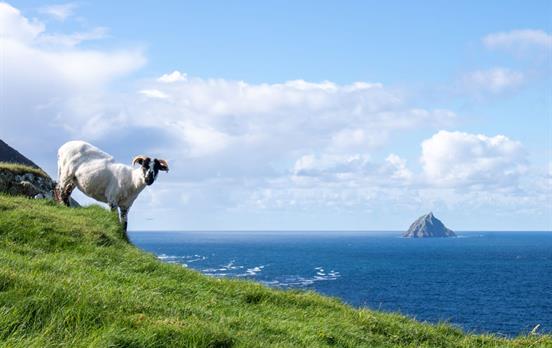
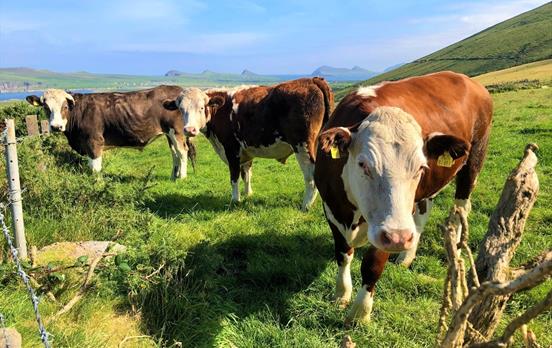
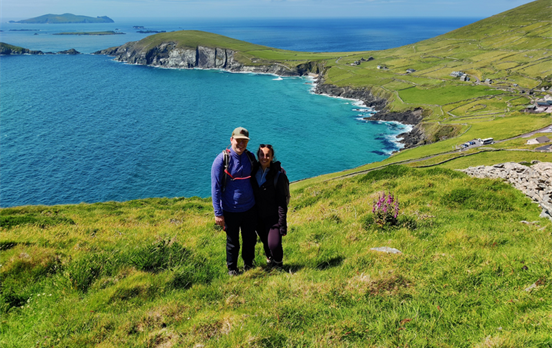
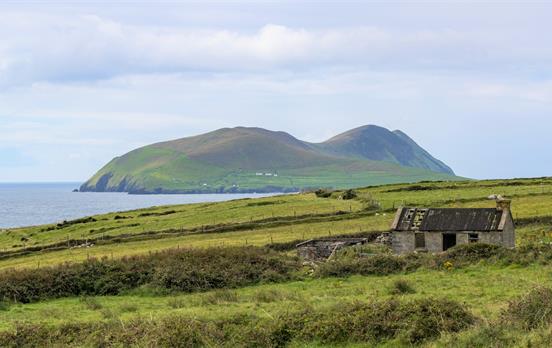
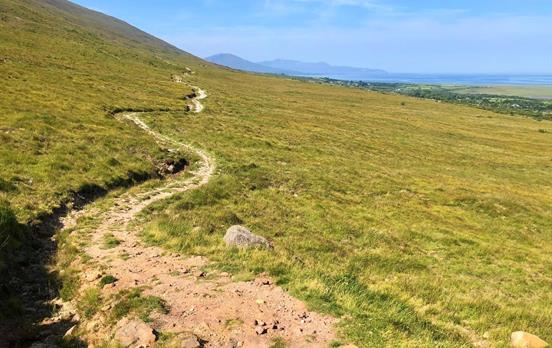
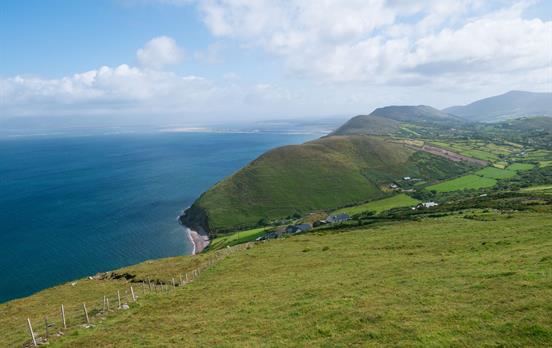
The Dingle Peninsula is scattered with ringforts – circular earthworks known locally as fairy forts, which farmers to this day refuse to disturb. Offshore lies An Fear Marbh (The Dead Man) or the Sleeping Giant island, and above the trail rises Mount Brandon, where St Brendan the Navigator is said to have glimpsed the Promised Land before sailing west in a leather boat. Nine days of Atlantic coast, ancient superstition, and very good pubs.

Ireland's West Coast – The Hag of The Cliffs
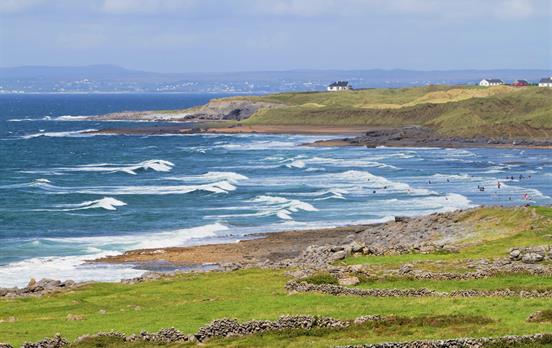
Our west coast hiking itinerary takes in the Cliffs of Moher, whose southern point is Hag's Head – named for Mal the witch, who chased the hero Cú Chulainn along the coast and came off worse against the rocks. Inland, the limestone moonscape of the Burren holds Poulnabrone, one of Ireland's oldest portal tombs. And yes, "portal tomb" means exactly what you'd hope.

The Causeway Coast – Giants and The Biggest Halloween Party in Europe
In Northern Ireland, the Causeway Coast Way passes the Giant's Causeway, built – according to legend, and who are we to argue – by the giant Finn McCool to cross the sea and fight his Scottish rival. It's also within easy reach of Derry, home to Europe's biggest Halloween festival, if you'd like to finish your hike with fireworks.

Hike Where Halloween Began
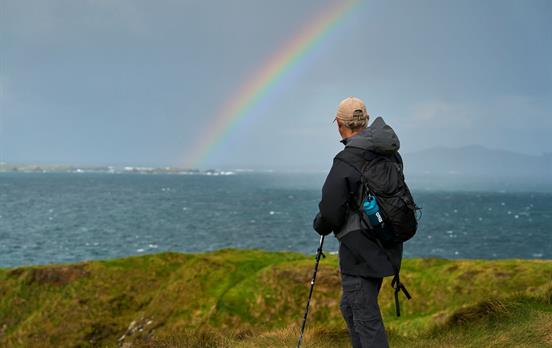
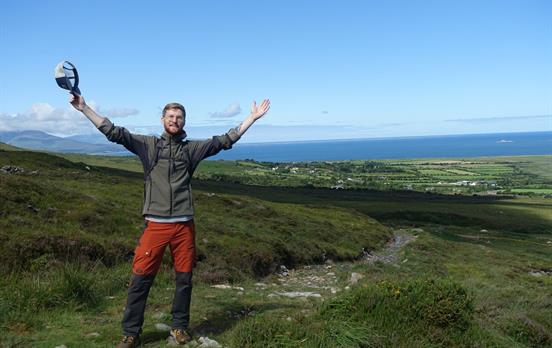
Halloween started in Ireland, and the best way to experience its origins isn't from a tour bus window – it's on foot, at your own pace, with time to linger at the cairns and lakes where these stories were first told. Macs Adventure is the world's number one self-guided operator, arranging active travel led by you since 2003. We sort your stays, luggage transfers, and route notes in our app, with 24/7 support if the spirits get too lively. With 24,000+ reviews, you're in safe hands – whatever the veil between worlds is doing.
Browse our full range of self-guided hiking vacations in Ireland and see where the season takes you.
















 Canada