



People have been walking pilgrimage roads for centuries. The routes have changed, the reasons have evolved - but the pull of the path remains as strong as ever. So, what is a pilgrimage, exactly? And what draws so many people to walk one?

What Is a Pilgrimage and What Does Pilgrimage Mean?
A pilgrimage is a long journey - traditionally walked on foot, though biking is just as welcome - to a place of great spiritual or religious significance. The word itself comes from the Latin peregrinus, meaning a traveler or wanderer. So, at its heart, what pilgrimage means is simply this: a purposeful journey towards something greater than yourself.
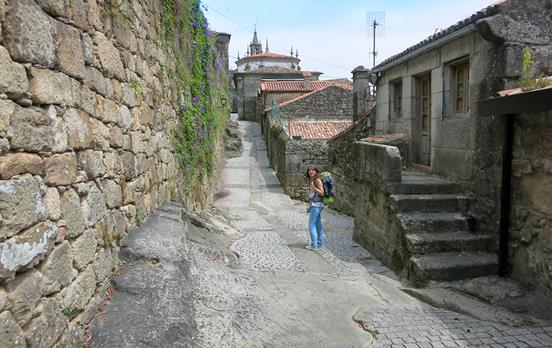
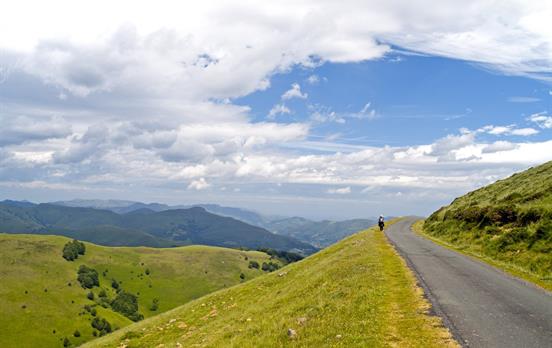
Although the true origins aren't fully known, people of all faiths and backgrounds have roamed these routes for centuries. From the far-flung trails of Asia and the sun-kissed paths of Iberia to the rugged landscapes of the UK, pilgrimages can be found all over the world.

The World's Most Famous Pilgrimage Roads and Routes
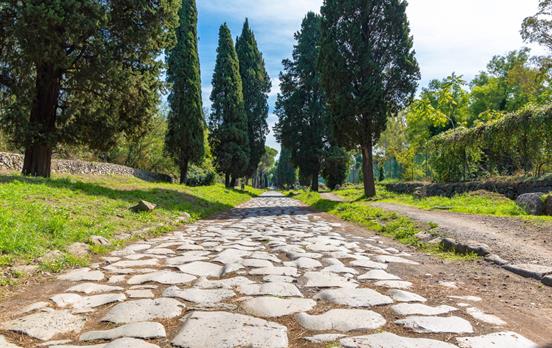
A pilgrimage road is the path itself - the ancient, often centuries-old trail that connects a starting point to a sacred destination. Some of the most well-trodden pilgrimage roads in the world include:
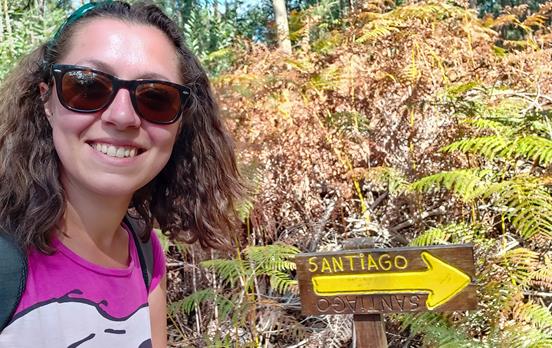
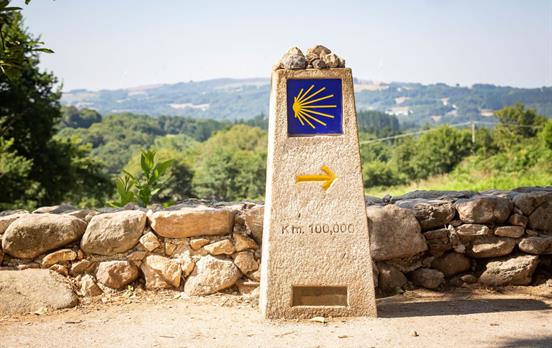
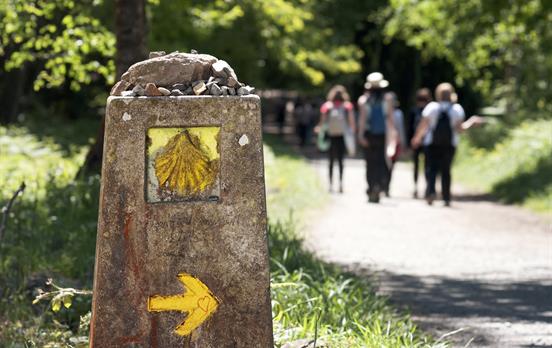
- The Camino de Santiago - probably the most famous - which threads through Spain, Portugal and parts of France, leading pilgrims to the great cathedral city of Santiago de Compostela
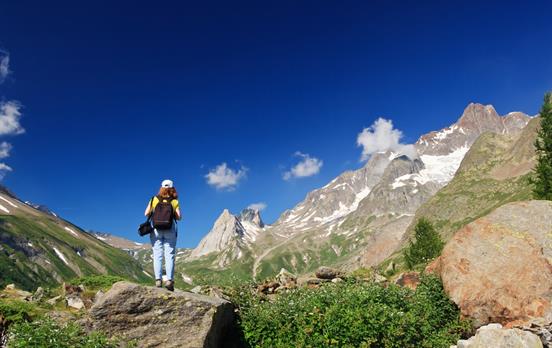
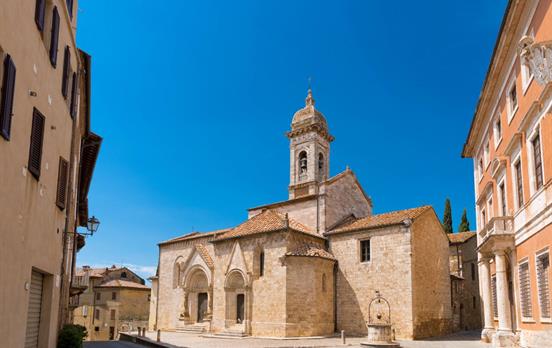
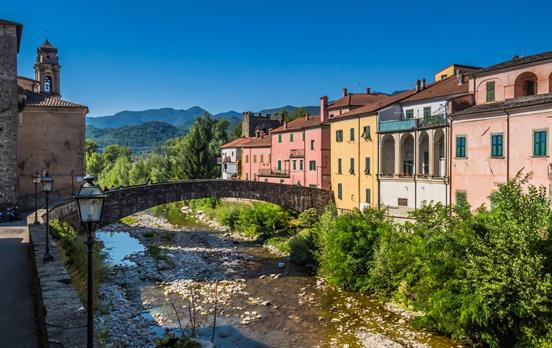
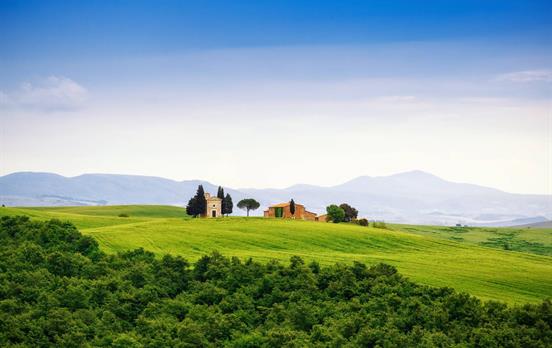
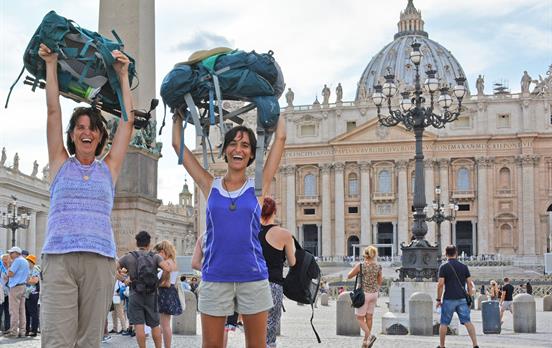
- The Via Francigena, which journeys from the Alps down through western Italy all the way to Rome
- The Kumano Kodo Trail in Japan, which follows the footsteps of the Imperial family through an ancient forest to the three grand shrines of Kumano
- St Cuthbert's Way in the UK, which crosses Northumberland and the Scottish Borders before finishing at Holy Island, one of Europe's most celebrated historic and religious sites
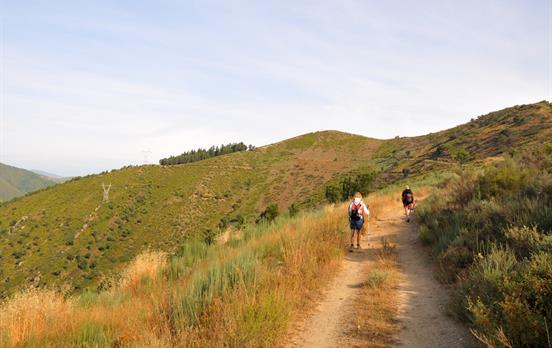
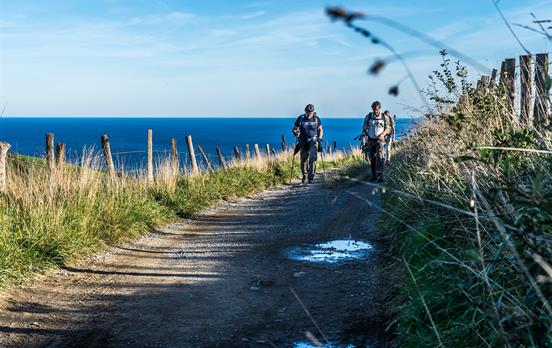
As pilgrimage roads often span the length of a country - or cross several - they're also a brilliant way to discover new cultures, see entire regions in one go, and feel genuinely connected with the land beneath your feet.
Some trails take over a month to complete - the ultimate end-to-end adventure. But if that's a bit much in one go, you can always complete them in stages. We've already done the hard work by breaking them up into shorter trips.

Pilgrimages vs. the Camino - What's the Difference?
It's a question that comes up a lot, so here's the short answer. A pilgrimage is any long journey made to a place of spiritual significance - it's the broader term. The Camino, on the other hand, refers specifically to the network of pilgrimage routes that all lead to Santiago de Compostela in Spain. The 'Camino' itself simply means 'path' or 'track' in Spanish.
So, all Camino routes are pilgrimages - but not all pilgrimages are the Camino. The Via Francigena to Rome, the Kumano Kodo in Japan, St Cuthbert's Way in the UK - these are all pilgrimages in their own right, each with its own history, landscape and character.
Within the Camino network itself, there are seven main routes to choose from. The most famous is the Camino Frances (the French Way), which starts in the Pyrenees and crosses northern Spain. But there's also the coastal Camino del Norte, the ancient Camino Primitivo, the Camino Portuguese and more - each one offering a different experience of the road to Santiago.

What Is a Pilgrimage Church? The Camino de Santiago and Santiago Cathedral
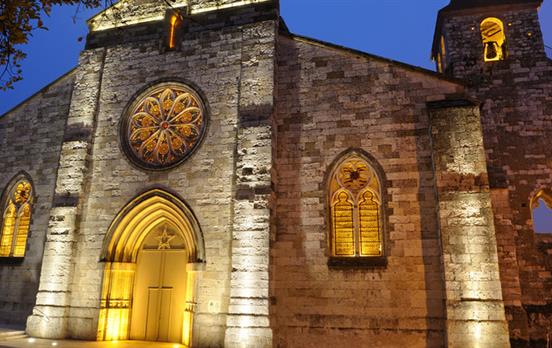
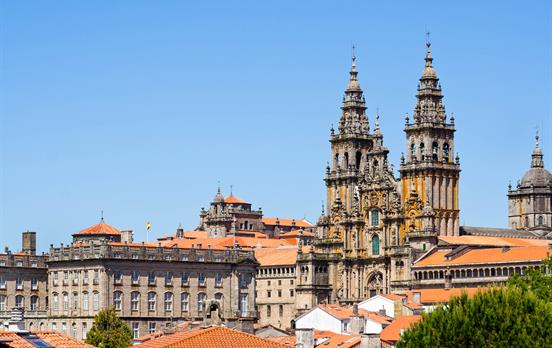
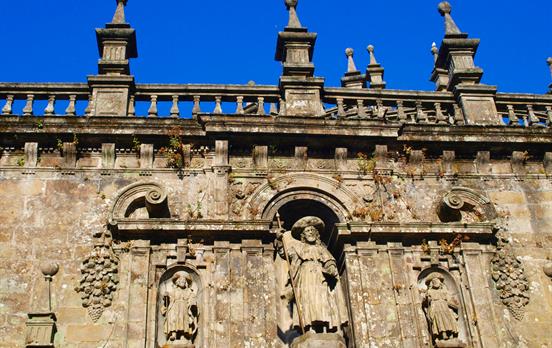
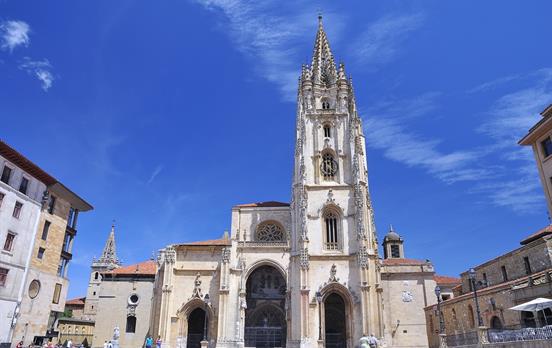
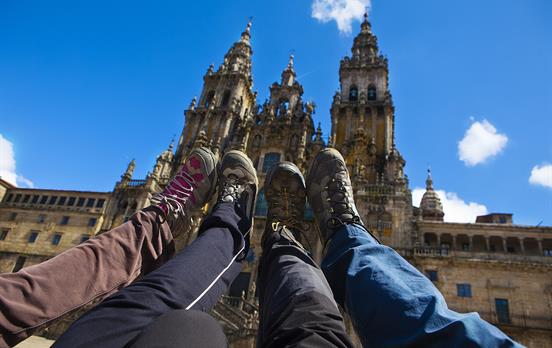
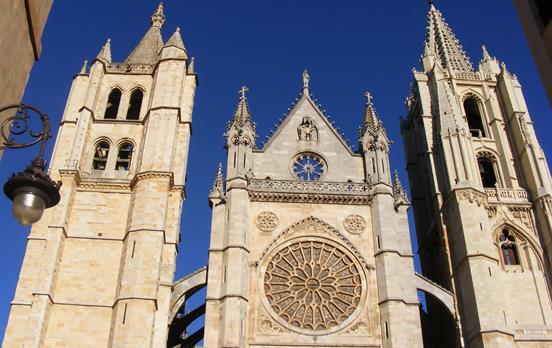
A pilgrimage church is the sacred destination at the end of the road - the place the entire journey leads towards. On the Camino de Santiago, that destination is the magnificent Santiago Cathedral in Santiago de Compostela, Spain, where all seven of the main Camino routes lead.
Legend has it that the tomb of St Iago (St James), one of the 12 apostles, lies in the crypt beneath the cathedral. That's why pilgrims have been walking to Santiago de Compostela since medieval times. Think of them as the original adventurers.

Who Are Pilgrims? Then, Now & Why People Still Walk Today
Historically, a pilgrim was someone who would make a special journey beyond their home comforts towards a sacred site - to feel closer to their faith, seek forgiveness, or give thanks. For many, it was the only time in their lives they ever left their village.
Today, while that sentiment still rings true for many - and plenty of people still walk these routes for deeply religious and spiritual reasons - more and more travelers are taking to the pilgrimage roads as a chance for self-discovery and personal growth. A physical challenge. A reset. A search for meaning.
Sometimes the purpose isn't clear until after the journey is complete. But that's rather the point. The walking gives you the space to figure it out.

Walking Alone or Together: The Community Spirit of the Pilgrimage Road
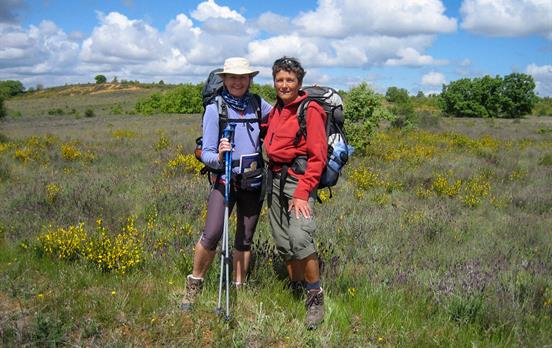
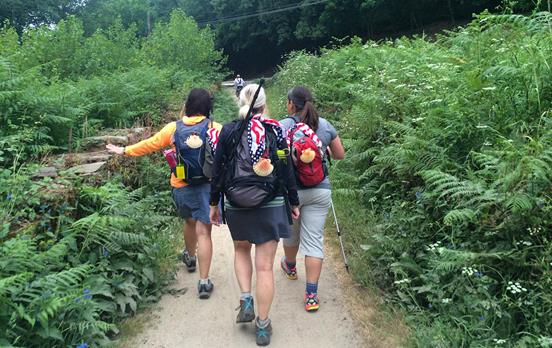
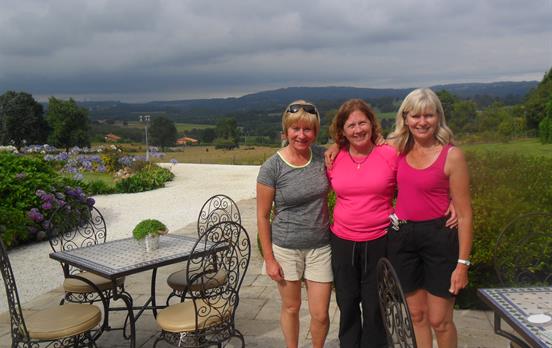
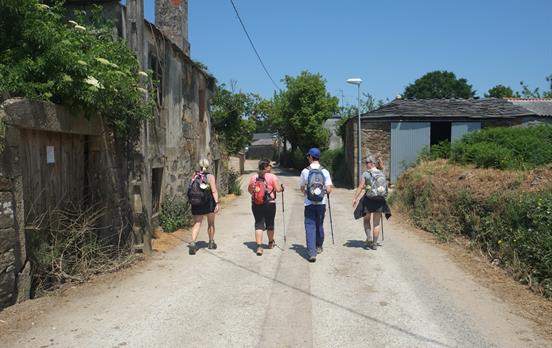
People often walk these routes with a friend or family member, but you'd be surprised how many solo travelers you come across, too. There's something genuinely uplifting about doing something solely for yourself - and a pilgrimage can fuel a real sense of independence and freedom.
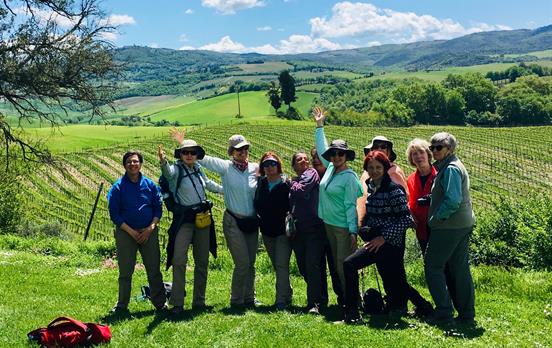
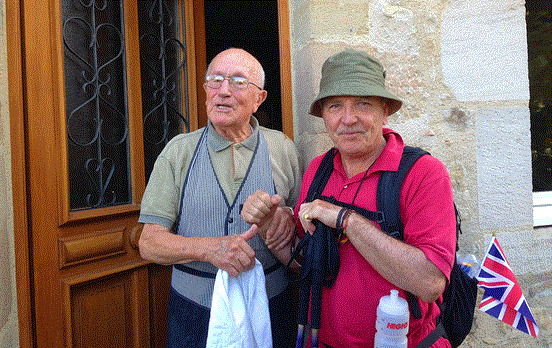
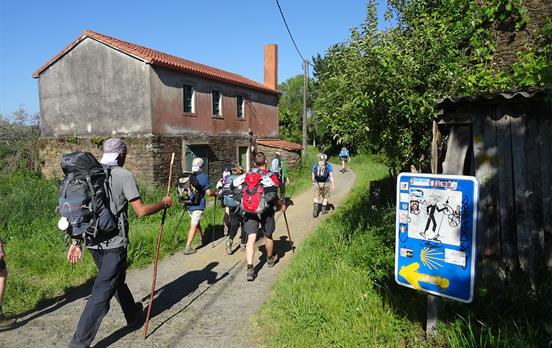
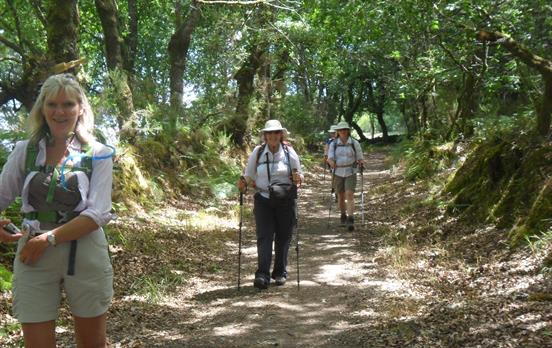
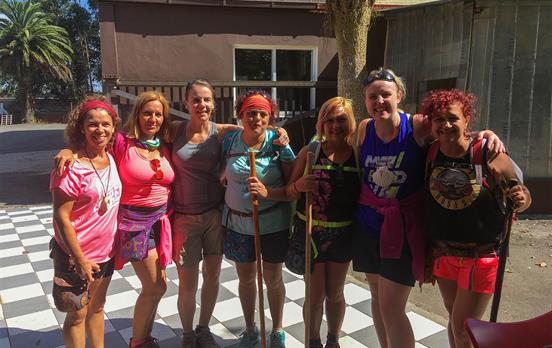
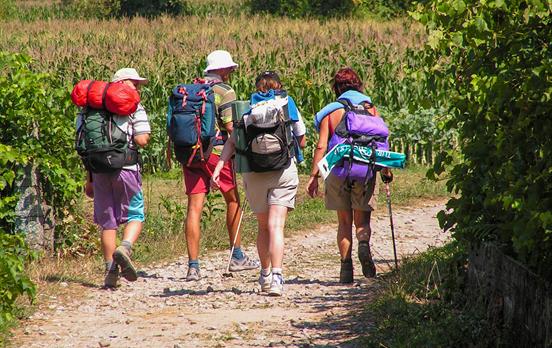
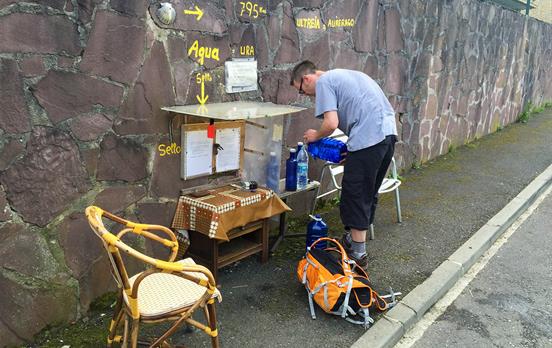
What's great about these trails is the sense of community that comes with them - something our pilgrimage travelers tell us is one of the most valuable parts of the whole experience. You'll meet fellow pilgrims along the way, swap stories from the route, and share the reasons you're walking. It's a very personal journey - and a surprisingly social one.

Reasons to Book with Macs Adventure
Planning a Camino should feel exciting, not overwhelming. With Macs Adventure, everything is taken care of so you can focus on the experience itself.
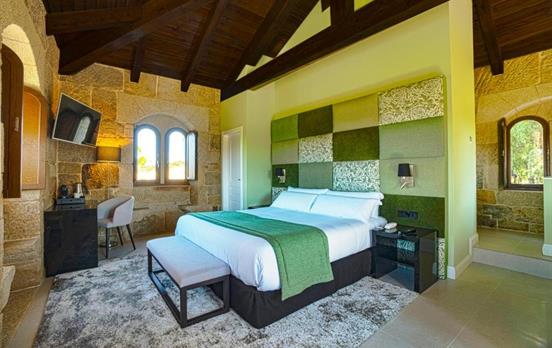
- Carefully chosen accommodations with daily breakfasts
- Daily luggage transfers
- Detailed route info and navigation support via our award-winning app
- 24/7 emergency assistance
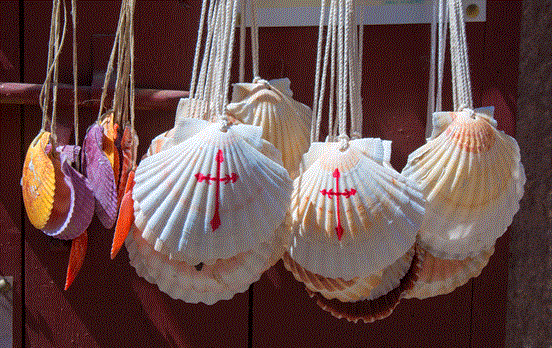
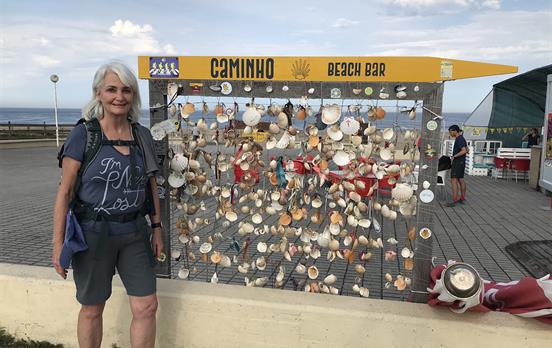
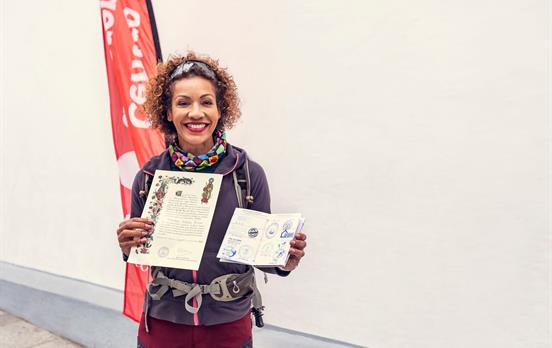
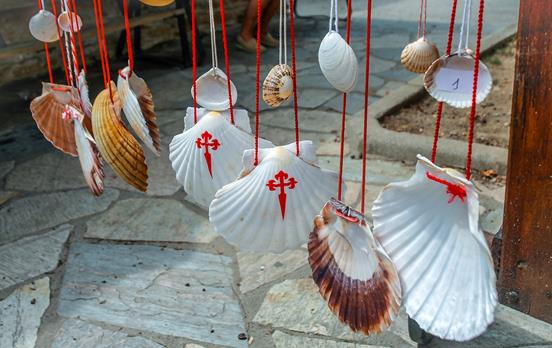
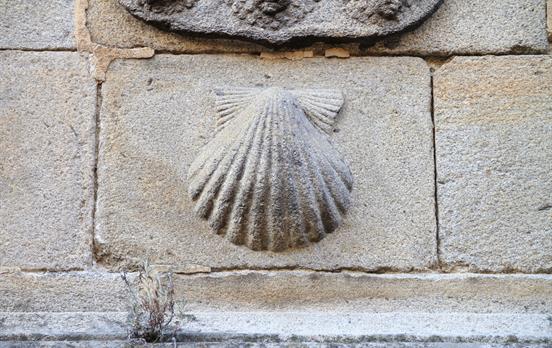
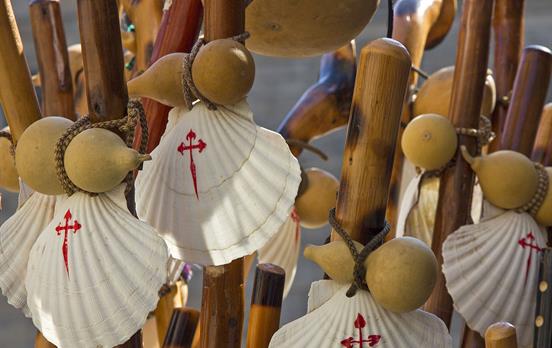
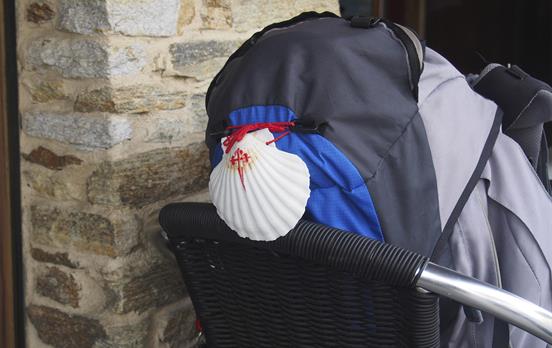
- Pilgrim passport and Camino shell included
All that’s left for you to do is follow the trail-and enjoy every step.

People Also Ask
- Ultimate Guide to the Camino de Santiago
Everything you need to know about routes, planning, and what to expect.
Read the ultimate Camino guide >
- What is a Camino?
A Camino is a long-distance pilgrimage journey, traditionally walked (or cycled), that follows historic routes leading to Santiago de Compostela in northwest Spain.
Learn more about the History of the Camino >
- Which Camino Is Right for Me?
Compare routes and find the Camino that best suits your pace, interests, and experience.
Find your Camino >
- What Should I Pack for My Camino Trip?
From footwear to essentials, pack smart and walk comfortably.
See the Camino packing list >
- Tips for Traveling to and From the Camino
Practical advice on flights, transfers, and route logistics.
Plan your journey >
- Essential Camino Phrases
Helpful Spanish phrases for pilgrims along the way.
Learn Camino phrases >
- How Fit Do I Need to Be to Walk a Camino Route?
Understand the physical demands and how to prepare.
- Camino FAQs
Clear answers to the most common Camino questions.
Read Camino FAQs >






















 Canada