








Discover Picos de Europa
-
Best Time to Go Walking in the Picos de Europa
May & June
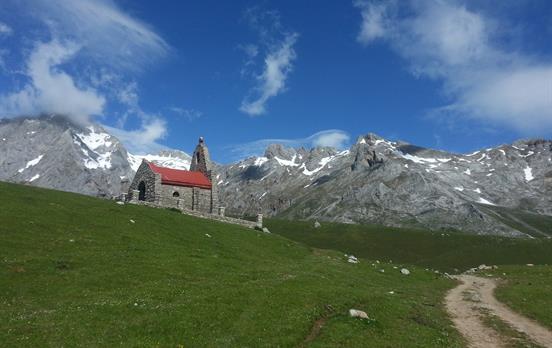
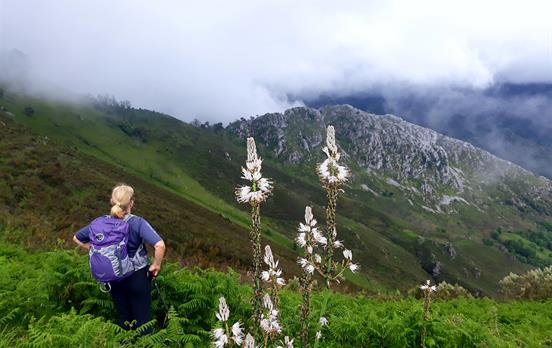
Spring is one of the finest times to hike in the Picos. The meadows are in full bloom, the trails are quiet, and the light is long. Some high-altitude routes may still carry snow in early May - worth checking conditions before you head up.July & August
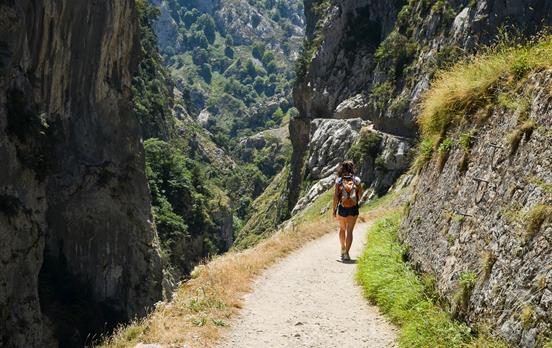
The warmest months and the busiest. The Cares Gorge attracts significant day-tripper traffic in peak summer. Valley temperatures can reach the mid-to-upper 80s°F. If you want quieter trails, start early and avoid the midday rush on the popular routes.September & October
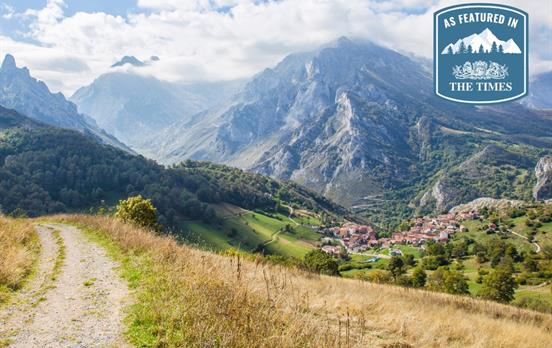
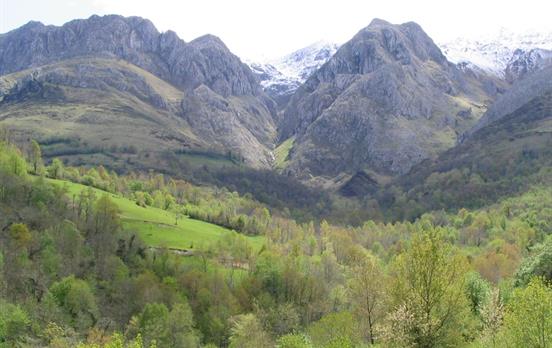
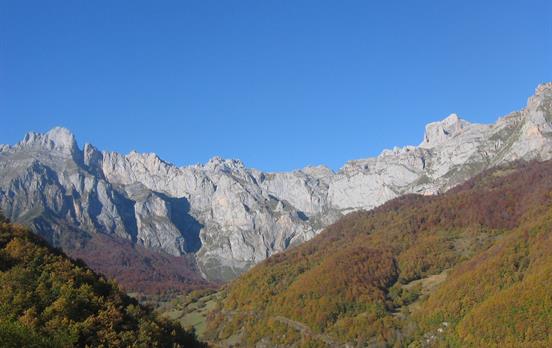
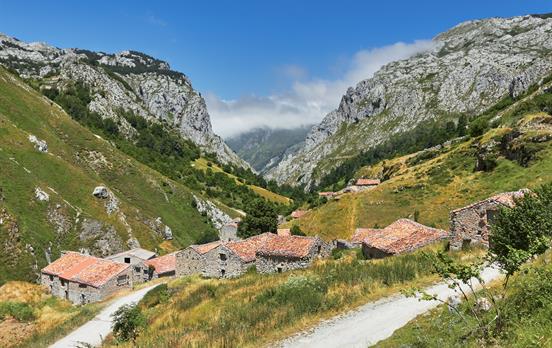
Our top recommendation for hikers. The summer crowds have thinned, temperatures are comfortable for all-day hiking (low-to-mid 70s°F in the valleys), and the autumn colors in the lower forests are spectacular. September in particular hits a sweet spot - good weather, manageable temperatures and far fewer people on the trails.![Best Time to Go Walking in the Picos de Europa]()
-
Frequently Asked Questions
How do I get to the Picos de Europa?
Fly into Santander (approximately 90 minutes by road from the park) or Oviedo/Asturias (approximately 60 minutes). Both have connections via Madrid or direct European hubs.What kind of accommodations will I stay in?
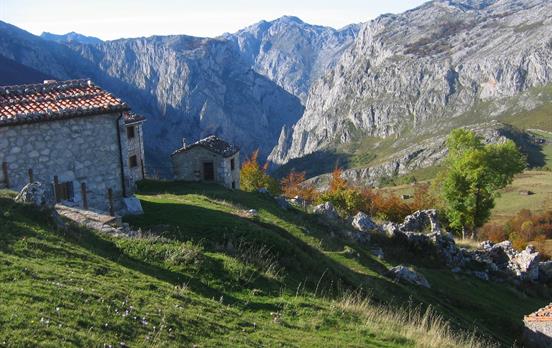
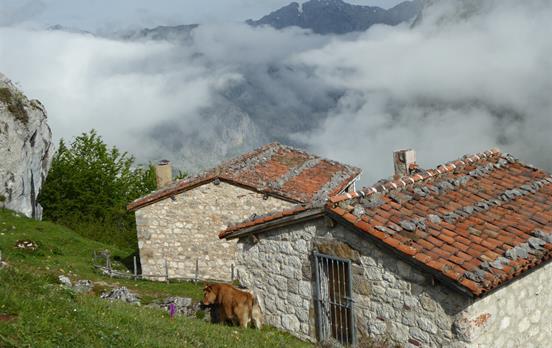
We hand-pick every property on our Picos routes - typically small family-run hotels, traditional rural guesthouses (casas rurales), and comfortable B&Bs. We look for places with local character, good food and a genuinely warm welcome. Not luxury resorts - but real, high-quality places we'd stay in ourselves.Are luggage transfers included?
Yes. Luggage transfers between overnight stops are included as standard on all Picos de Europa hiking tours with Macs. You hike with a daypack - your main bags travel ahead and meet you at the next accommodation.What's the difference between your two Picos de Europa tours?
"Walking in the Picos de Europa" keeps you within the national park throughout - ideal if you want to focus on the park's most iconic landscapes. "Picos de Europa to the Coast" adds a point-to-point journey all the way to the Atlantic coast - a bigger adventure for hikers who want more variety and a longer route.Do I need to speak Spanish?
Not at all. The Picos de Europa is well set up for international visitors. A few basic phrases are always appreciated, and most accommodation owners will do their best to communicate.How fit do I need to be?
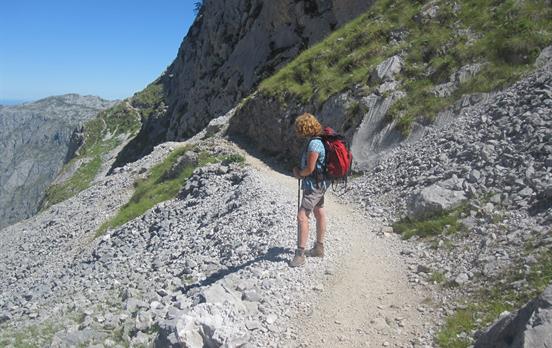
Good fitness is required. Our Picos routes involve 6-8 hours of hiking per day on mountain terrain over consecutive days. Prior multi-day hiking experience is strongly recommended.![Frequently Asked Questions]()
-
Who Are Picos de Europa Hiking Tours For?
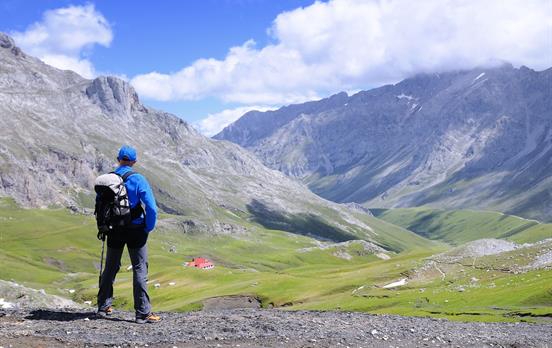
Experienced hikers looking for something different - If you've done the Camino de Santiago and want your next Spain hiking experience to be wilder and more remote, the Picos de Europa is the natural next step. These are serious mountain trails - dramatic, varied, and genuinely challenging in places.
Couples and partners - A Picos de Europa hiking tour makes for an exceptional trip for two. Dramatic mountain scenery, excellent local food and cider, and comfortable evenings in small family-run hotels - it's a hard combination to beat.
Active travelers in their 50s, 60s and 70s - The majority of our Picos hikers are experienced adults who want a challenge with comfort at the end of each day. The hiking is serious - but it's not extreme. Good fitness and prior multi-day hiking experience are recommended.
Small groups of friends (up to 8 people) - Our self-guided format works perfectly for small groups. Walk together, stay together, set your own pace - and nobody has to compromise on anything.
Families with active teens - The Picos can work well for families with older teens who are comfortable with full hiking days. The dramatic scenery and wildlife make it an engaging and memorable trip for younger travelers.
![Who Are Picos de Europa Hiking Tours For?]()
-
About the Picos de Europa National Park
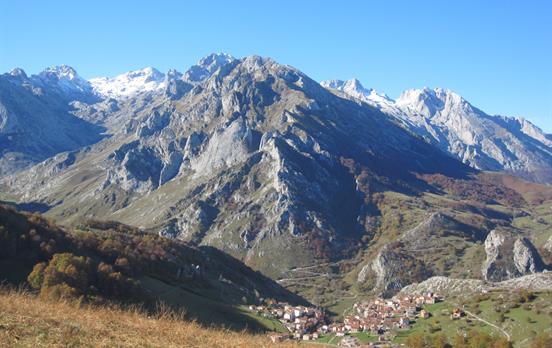
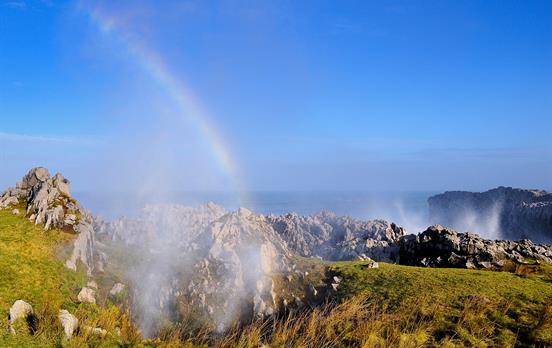
The Picos de Europa National Park - Parque Nacional de los Picos de Europa - is one of the most geologically dramatic national parks in Europe. Covering around 250 square miles across three Spanish regions (Asturias, Cantabria and Castile and León), it was Spain's very first national park, established in 1918.
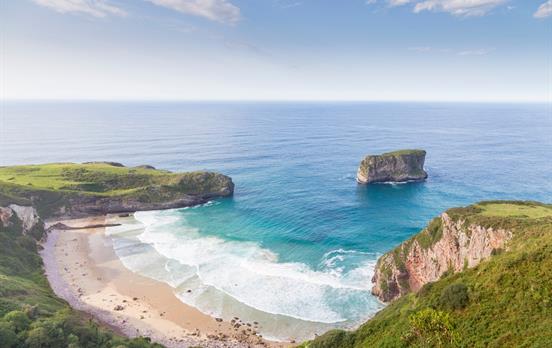
What makes the Picos so extraordinary is the contrast. The peaks rise to nearly 8,700 feet - yet the Atlantic coast is just 15 miles away. The result is a landscape that shifts from rugged high-alpine terrain to lush green valleys and traditional villages within a single day's hiking.
The park is divided into three massifs: the Western (Cornión), the Central - the largest and most dramatic - and the Eastern (Andara). The Central Massif holds the highest peak, Torre de Cerredo at 8,688 feet, and contains the iconic Cares Gorge, the park's most celebrated hiking trail.
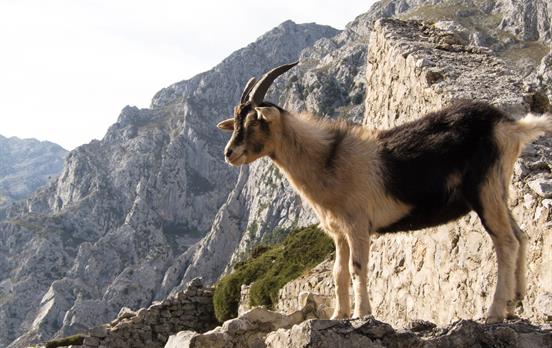
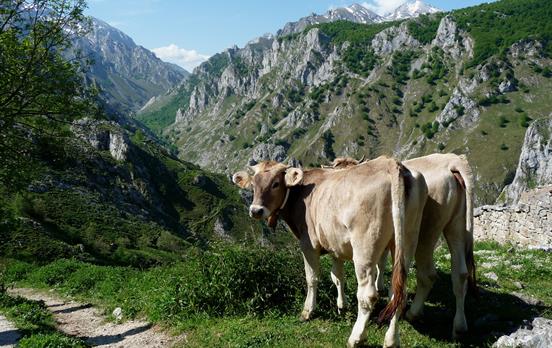
Wildlife here is exceptional. Golden eagles and griffon vultures soar above the limestone crags. Chamois pick their way across the upper ridgelines. Brown bears and Iberian wolves live within the park boundaries - rarely seen, but part of what makes this wilderness feel genuinely wild.
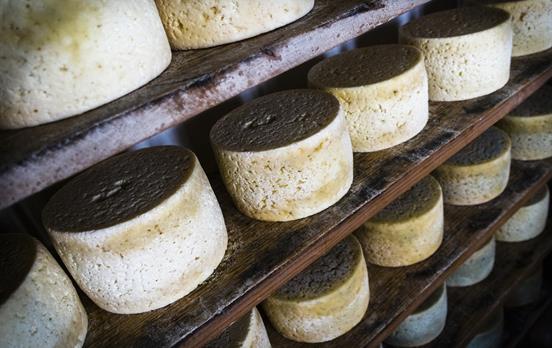
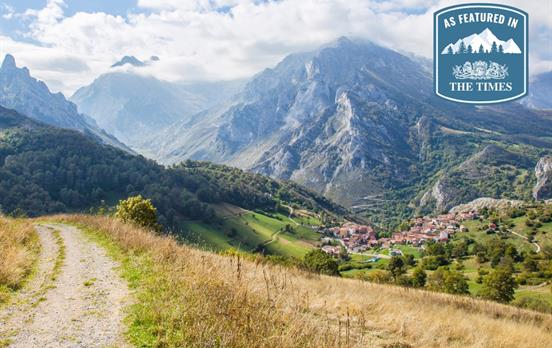
In the villages below, life moves at its own pace. Arenas de Cabrales is famous for Cabrales blue cheese - aged in the limestone caves above the town, sharp and complex, and best paired with a glass of local cider.
![About the Picos de Europa National Park]()


 Canada