



Switzerland is famous for precision, postcard-perfect landscapes, and alpine adventures that feel effortlessly organized. But for first-time visitors – especially those traveling from North America – it can also feel a little intimidating. Trains run on the minute, cable cars double as daily transport, and prices can raise eyebrows.
The good news? Switzerland is incredibly safe, easy to navigate once you understand the system, and wonderfully welcoming to travelers. This guide covers practical travel tips, cultural insights, and first-time hiking advice to help you feel prepared, confident, and ready to enjoy every mountain view.

Getting Around Switzerland: What First-Time Visitors Should Know
Switzerland’s transport system is legendary-and once you understand it, it’s one of the country’s biggest joys.
Trains, Buses, Cable Cars & Gondolas
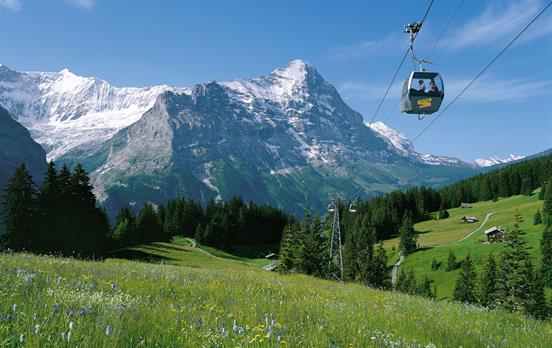
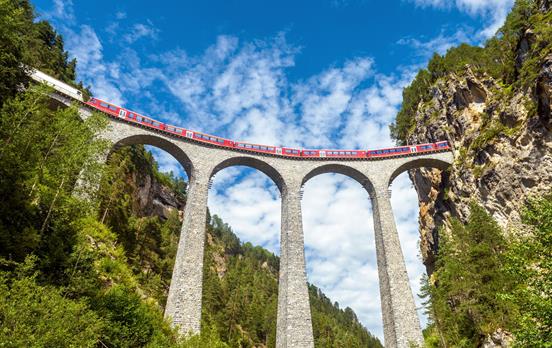
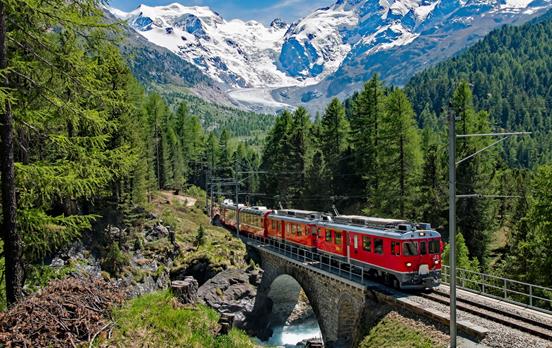
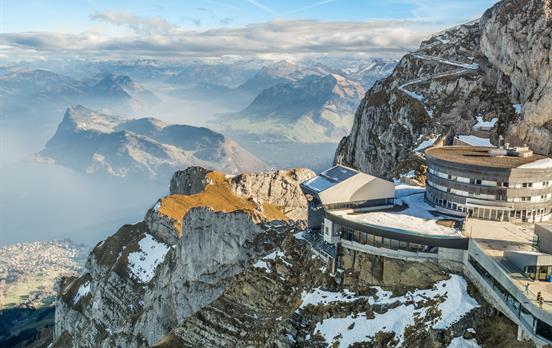
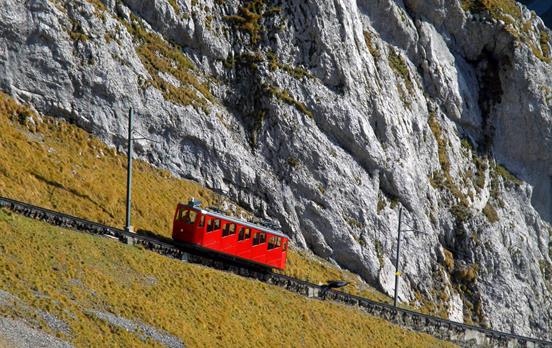
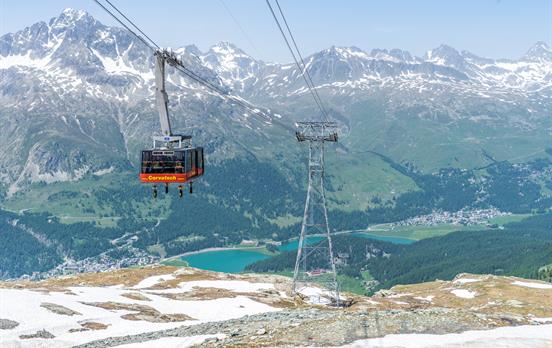
Trains and buses run like clockwork, connecting even the smallest villages with remarkable efficiency. In alpine regions, cable cars, mountain trams, and gondolas are a normal part of daily life, not just tourist attractions.
Here’s a clear comparison to help you differentiate between the different modes of transport.
In Switzerland, cable cars and gondolas are:
- Year-round public transport
- Used to reach car-free villages
- Essential for accessing hiking routes and trailheads
This is why they’re so common-and so impressive.
Cable Car vs. Gondola
- Cable cars: Larger cabins, often running back and forth
- Gondolas: Smaller enclosed cabins, running continuously
Both are safe, reliable, and designed to move people, not just skiers.
Transport Costs
Public transport is not generally included unless specifically noted in the What’s Included section of your Macs Adventure tour. That said:
- Travel passes can significantly reduce costs
- Some towns offer free local transport cards for overnight guests
For transport-heavy trips like our Best of Bernese Oberland and Highlights of the Bernese Oberland trips, it’s worth looking into a travel pass, or a pass which gives you 50% off all travel (these are particularly good for longer journeys - e.g. to and from the airport) and you can buy ones which are valid for 3 non-consecutive days or if you're planning to do more traveling around the country.
Trains Have an App
The Swiss Federal Railways app is excellent:
- SBB.ch/en
- Live timetables, platforms, delays, and ticket purchases
- Extremely user-friendly, even for first-time visitors
Switzerland’s Culture & Rituals
- Punctuality matters-being late is considered impolite
- Keep voices low on public transport
- Always greet shopkeepers and hotel staff politely
Here are some notable Swiss cultural traditions and habits travelers tend to notice.
1. The Swiss “Zvieri” (Afternoon Snack)
If the Swedish tradition of fika is a coffee break with cake, Zvieri is Switzerland’s low-key cousin.
- Common in Swiss German–speaking regions
- Usually taken mid-afternoon (around 3–4 pm)
- Often something simple: bread, cheese, fruit, or chocolate
- Especially common with kids, hikers, and outdoor workers
2. Sunday Stillness (Ruhetag)
Sundays in Switzerland are quiet by design.
- Most shops are closed
- DIY, loud work, and even recycling can be frowned upon
- Public transport still runs, but at a slower pace
- It’s a day for family walks, cafés, and being outdoors
For travelers, it can feel surprisingly calm-and very Swiss - and a great consideration if traveling on a Sunday.
3. Outdoor Culture Is a Way of Life
This isn’t a “tradition” with a name, but it’s deeply cultural.
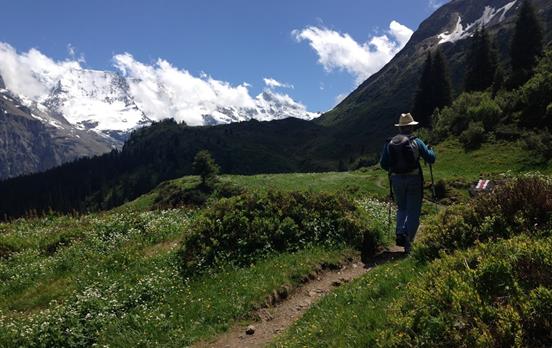
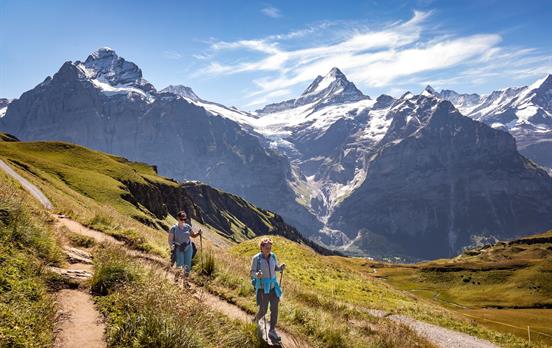
- Hiking isn’t a hobby-it’s normal life
- Families, retirees, commuters: everyone walks
- Alpine huts, signposted trails, and cable cars support this culture
You’ll often see locals finishing work and heading straight onto the trail.
4. The Apéro
Similar to Italy’s aperitivo.
- Common across all regions
- Usually wine, beer, or prosecco with small snacks
- Can happen at home, in bars, or even at the end of a hike
- Often early evening, before dinner
It’s relaxed, social, and very much part of everyday life.
5. Seasonal Traditions (Very Important in Switzerland)
Swiss culture is highly seasonal.
Summer
- Alpine hiking and mountain festivals
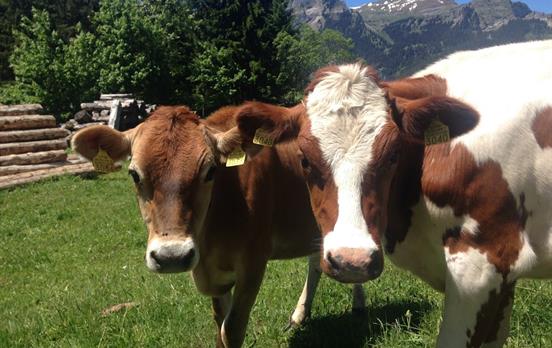
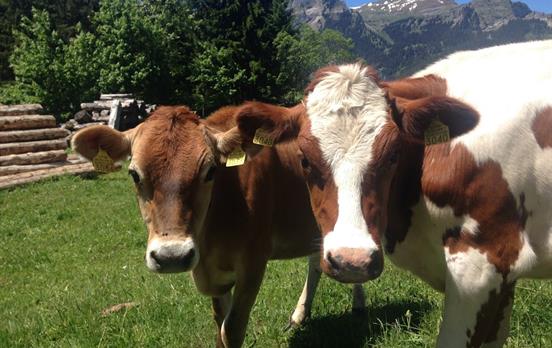
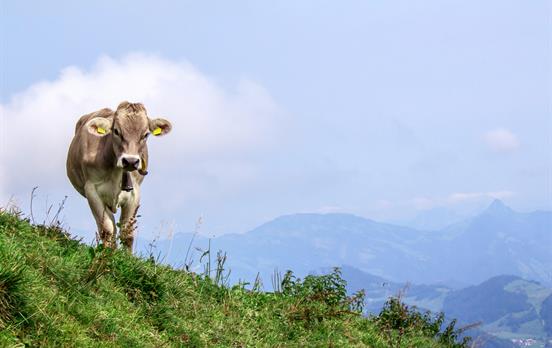
- Cows are brought up to high pastures (Alpaufzug)
Fall
- Alpabzug: decorated cows returning to the valleys
- Local food festivals and markets
Winter
- Christmas markets and Advent traditions
- Ski culture
These events are regional, but they’re meaningful and well celebrated.
6. Precision & Punctuality (A Cultural Value)
Not a ritual, but very real.
- Trains, meetings, and dinners start on time
- Quiet hours are respected
- Rules are followed-not rigidly, but collectively
For visitors, this translates to things simply working.
Safety
- Switzerland is one of the safest countries in the world
- Violent crime is rare
- Normal travel awareness is all that’s needed, even in cities
Visa Requirements
- US, UK, EU, Canadian, Australian and New Zealand passport holders can enter Switzerland visa-free for up to 90 days within the Schengen Area
- Always check current entry rules before traveling
- Check the US Department of State website or the Canadian Government website for the most up-to-date rules and regulations.
Passport Validity
- US Citizens: Six months validity recommended, at least 3 months validity beyond your planned date of departure from the Schengen area. Check your passport validity.
- Canadian Citizens: Your passport must be valid for at least 3 months beyond the date you expect to leave the Schengen area. Check your passport validity.
- You’ll be required to show your passports at each accommodation, and it’s wise to keep photocopies of your important documents, including your passport and travel insurance, with you at all times.
Navigating the Swiss Culinary Scene
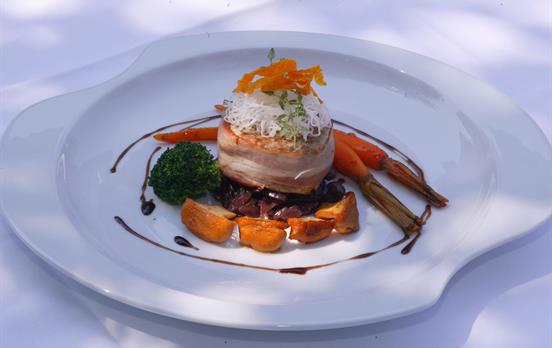
Swiss food is hearty, regional, and built for refueling after a day outdoors.
What to Expect
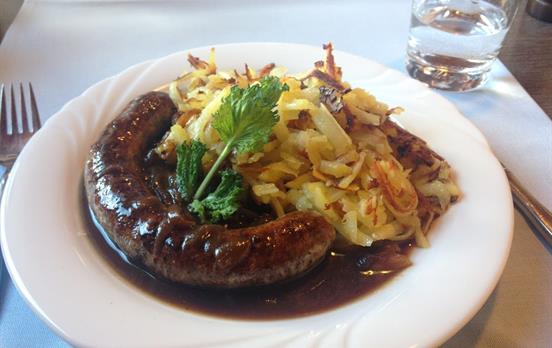
Classic dishes include:
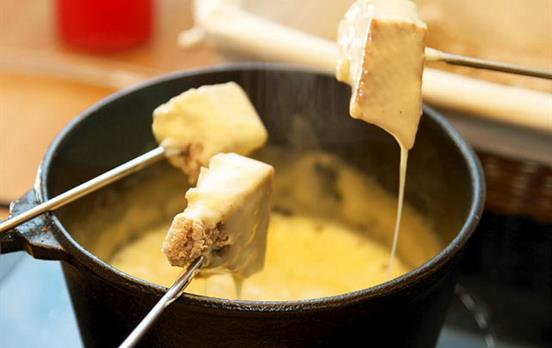
- Cheese fondue and raclette (especially in colder months)
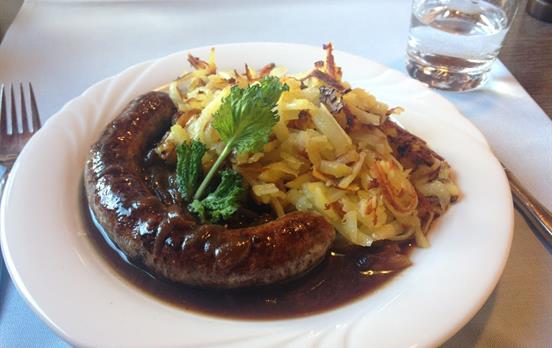
- Rösti (crispy grated potatoes, often with eggs or cheese)
- Mountain hut meals, which are typically filling, simple, and freshly cooked
Dinner in Switzerland is generally served earlier than in southern Europe. Most restaurants begin dinner service around 6:00 pm, with locals typically eating between 6:30 pm and 8:00 pm.
Reservations are recommended in popular areas, particularly on weekends.
Tipping Etiquette
- Tipping is not expected in Switzerland
- Service charges are included in restaurant prices
- Rounding up or leaving small change is appreciated but optional
Drinks & Café Culture
- Coffee is excellent, but typically more expensive than in the US
- Alcohol is widely available and socially accepted
- Regions such as Valais, Vaud and Ticino produce excellent white and red wines, making a glass of local wine a special treat you’re unlikely to replicate at home, as much of the wine produced in Switzerland is difficult to find outside the country.
Can You Drink the Tap Water?
Yes-absolutely. Swiss tap water is among the cleanest in the world. Many towns even have public fountains supplying fresh drinking water.
Mountain Hut Dining Etiquette
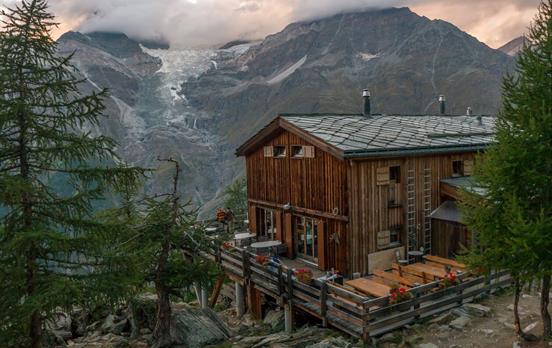
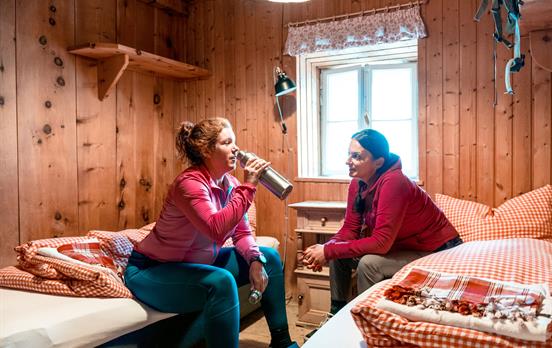
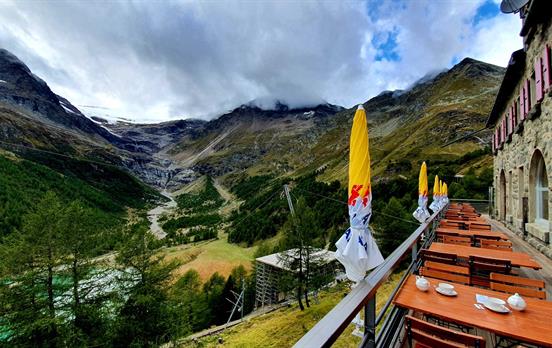
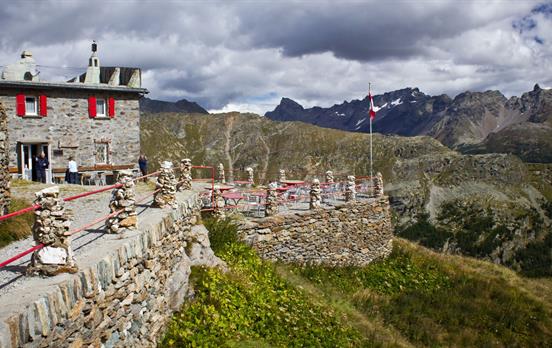
Dining in a Swiss mountain hut (Berghaus or Rifugio) is one of the most memorable parts of an alpine hiking experience. It’s cozy, communal, and wonderfully authentic -but it does come with a few unspoken rules.
Dinner Time
Mountain hut dining isn’t formal-but it is respectful, communal, and rooted in alpine tradition. Embrace the rhythm, arrive on time, and enjoy the shared experience-it’s a special part of hiking in Switzerland.
Unlike regular restaurants, huts typically serve dinner at a fixed time - usually between 6:00 pm and 7:00 pm. Guests are expected to arrive promptly. Meals are often served in courses, and everyone eats at the same time.
Some remote huts may not accept cards, so carrying Swiss francs in cash is wise. And if you’re running late, always notify the hut in advance.
Set Menus Are Standard
Most huts offer a set evening menu, rather than à la carte dining. Dietary requirements should be communicated ahead of time, as remote locations limit flexibility.
Meals are hearty and designed to refuel hikers - think soup, a main course, and dessert.
Seating Is Often Communal
Expect shared tables. Sitting next to fellow hikers is part of the experience and often leads to friendly conversation and trail tips. It’s normal - and encouraged - to greet others with a simple hello in the local language.
Keep It Low-Key
- Quiet hours are usually from around 10:00 pm
- Remove hiking boots at the entrance
- Follow the host’s instructions-it’s their home and workplace
Head to our mountain hut guide for more details >
Why Is Switzerland Expensive? (And How to Stretch Your Budget)
Yes, Switzerland is expensive. But it’s also predictable, transparent, and high quality.
Why Costs Are High
- Strong Swiss franc
- High wages and living standards
- Investment in infrastructure and public services
Tips to Stretch Your Vacation Dollar
- Shop at supermarkets like Coop or Migros for lunches
- Take advantage of the free breakfast at accommodations
- Unlike in the US, tipping is not expected. You can, of course, leave a 10% tip or round up the cheque if you’d like.
- Carry a reusable water bottle
- Use regional transport passes and city passes for transport-heavy trips. They give you 50% off all travel - https://www.sbb.ch/en/offers/guests-from-abroad (these are particularly good for longer journeys - e.g. to and from the airport) and sometimes get you free admission for museums.
The upside? You get what you pay for- cleanliness, safety, and reliability.
Switzerland’s Three Cultures: What Makes It Unique
One of the most fascinating things about traveling in Switzerland is how three distinct cultures coexist within one small country. Each region has its own language, rhythms, traditions, and even feel on the trail - so where you are really does shape the experience.
Swiss German
Where: Central and eastern Switzerland, including Zurich, Lucerne, Bern, and much of the Alps.
Languages: Swiss German dialects (spoken), Standard German (written).
This is the largest cultural region in Switzerland and often the first encounter for travelers. Life here runs with quiet efficiency-trains are punctual, trails are immaculately marked, and rules exist for a reason. The outdoor culture is deeply ingrained, with hiking, mountain huts, and alpine traditions woven into everyday life rather than treated as leisure activities.
Swiss German sounds very different from High German, even to fluent speakers, but locals easily switch when needed.
Helpful Phrases:
- Grüezi – Hello
- Danke – Thank you
- Bitte – Please / You’re welcome
- En schöne Tag – Have a nice day
Swiss French
Where: Western Switzerland, including Geneva, Lausanne, Montreux, and parts of the Jura Mountains.
Language: French
Cross into the Swiss French regions, and the pace subtly shifts. Meals linger longer, cafés spill onto terraces, and food culture takes centre stage. There’s still Swiss organization and reliability, but paired with a more relaxed, conversational atmosphere.
This region feels particularly welcoming for travelers who enjoy wine regions, lakeside walking, and cultural experiences alongside hiking.
Helpful Phrases:
- Bonjour – Hello
- Merci – Thank you
- S’il vous plaît – Please
- Bonne journée – Have a nice day
Swiss Italian
Where: Southern Switzerland, primarily the canton of Ticino.
Language: Italian
Ticino feels like a blend of Switzerland and northern Italy. The climate is warmer, palm trees line lakeshores, and espresso culture is strong. Life feels a little slower and more expressive, with a Mediterranean influence evident in food, architecture, and daily rhythms.
Despite the relaxed vibe, Swiss standards of cleanliness, safety, and efficiency still apply, making this region feel both lively and reassuringly organized.
Helpful Phrases:
- Ciao – Hello / Goodbye
- Grazie – Thank you
- Per favore – Please
- Buona giornata – Have a nice day
Most Swiss people speak excellent English, especially in tourist areas. However, knowing which region you’re traveling in helps you learn a few key phrases in the right language-and that small effort is always appreciated.
It’s one of the things that makes traveling in Switzerland feel so rewarding: crossing a mountain pass can feel like stepping into a subtly different country, without ever leaving the border.
Tips for First-Time Hikers in Switzerland
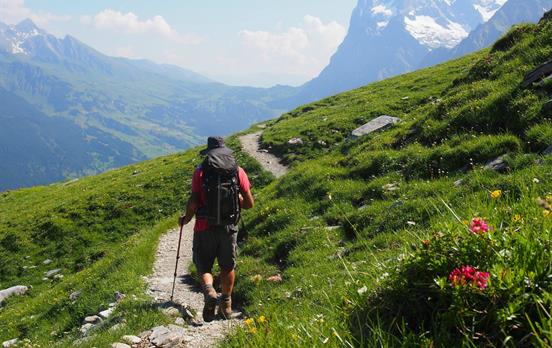
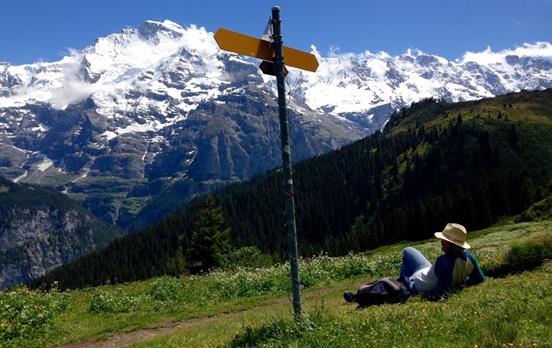
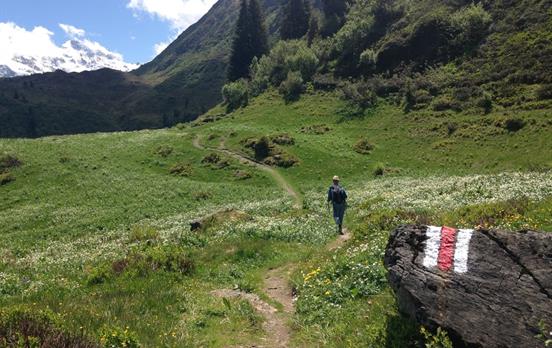
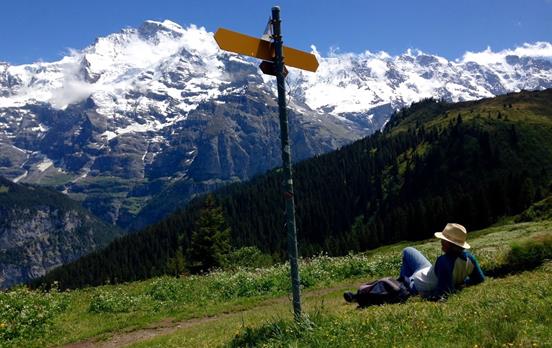
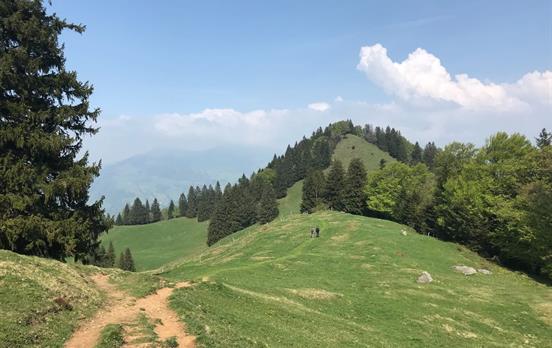
- Trails are extremely well marked - follow the colored signs (and the Macs app)
- Yellow signs = hiking trails; red-and-white = mountain paths
- Weather can change quickly-pack layers
- Start early to avoid afternoon storms in summer
- Respect hut rules and quiet hours
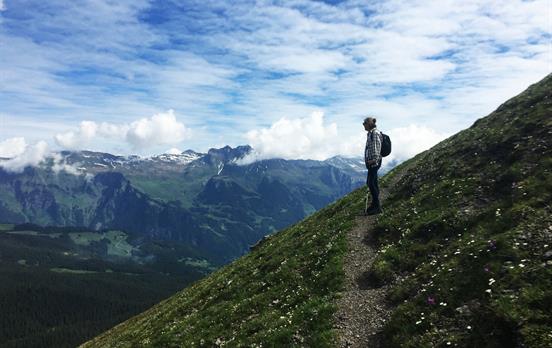
- You don’t need to be an expert-many routes are designed for regular hikers, not mountaineers
Switzerland rewards preparation, but it doesn’t demand perfection. Once you understand how the country works, from transport to culture, it becomes one of the easiest and most rewarding places in Europe to explore on foot.
People Also Ask























 Canada