



The Tour du Mont Blanc (TMB) isn’t just one of Europe’s most iconic long-distance hikes - it’s also a culinary journey through France, Switzerland, and Italy, each bringing its own traditions, flavors and mountain hospitality. You’ll go beyond trail snacks and enjoy hearty Alpine meals, local wines, cheeses, cured meats and refreshing mountain drinks.

Alpine Food Culture on the Tour du Mont Blanc
Across Three Countries - Regional Specialties
Because the Tour du Mont Blanc crosses France, Italy and Switzerland, the food reflects this diversity:
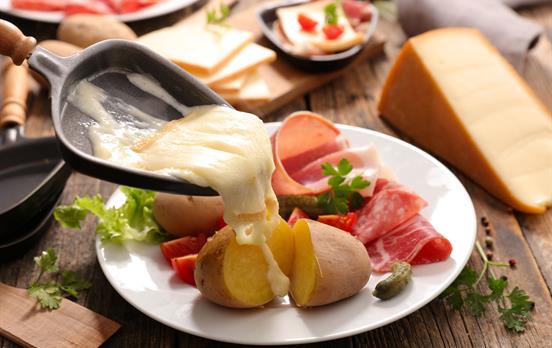
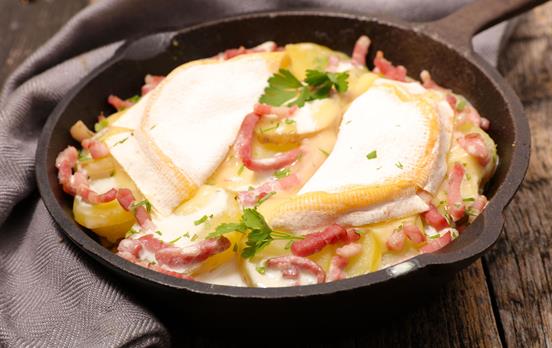
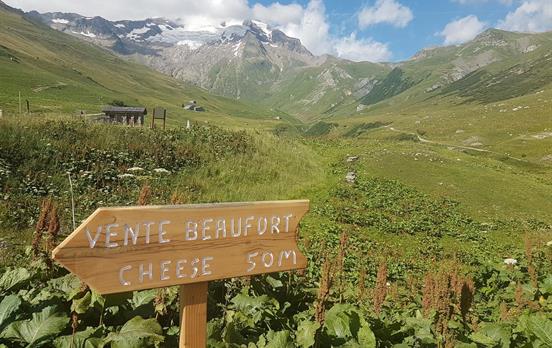
- French Alps (Haute-Savoie / Savoy) – Think raclette, tartiflette (potatoes, cheese, onions and lardons), diots (Savoyard sausages) and rich fondue made with local cheeses like Beaufort.
- Italy (Aosta Valley) – Expect polenta, hearty pastas, cured ham (prosciutto), local Fontina cheese and soups like minestra.
- Switzerland (Valais/Val Ferret) – Rösti (cheesy fried potato), dried meats and alpine cheeses are local staples.
High-Calorie, Mountain-Ready Meals
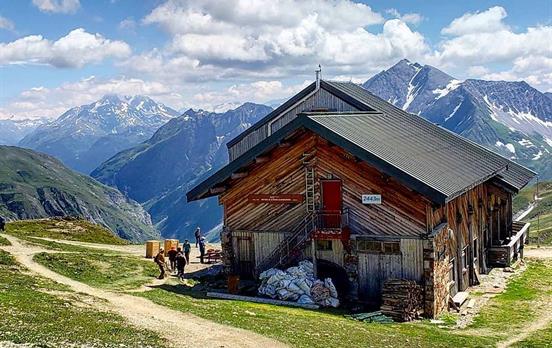
Mountain hut menus favor hearty, energy-rich food - perfect after long days of hiking: soups, stews, pasta, cheese dishes and fresh bread. In remote huts, menus are simpler but very filling.

Mountain Hut Dining Culture
Typical Meal Structure
Most huts and refuges on the TMB operate a half-board system - dinner and breakfast included in your stay.
Breakfast:
- Simple huts: cereals, bread, jam, butter and coffee/tea.
- Larger huts/hotels: add eggs, local cheese or cold cuts.
Lunch:
- Not usually served in huts (except snacks). Hikers typically buy a packed lunch or eat at valley cafés/restaurants.
Dinner:
- Often a set multi-course meal - starter (soup or salad), main (pasta, potato-cheese dishes or meat), dessert (local tart, etc.).
Tip: Dinner is usually served at a set time (e.g. 6:30 pm–7:30 pm). Arrive on time - especially in small huts with one service. Requests outside service times may not be possible.

Mountain Dining Traditions
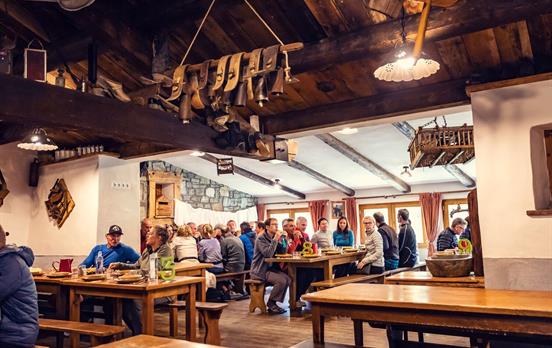
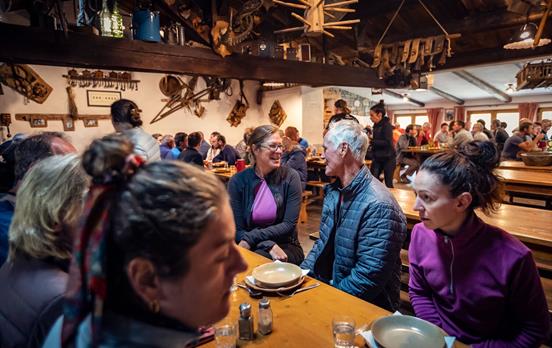
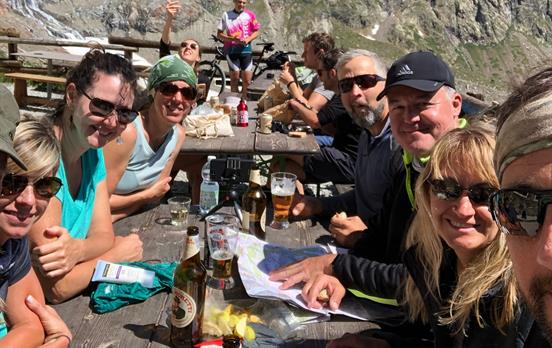
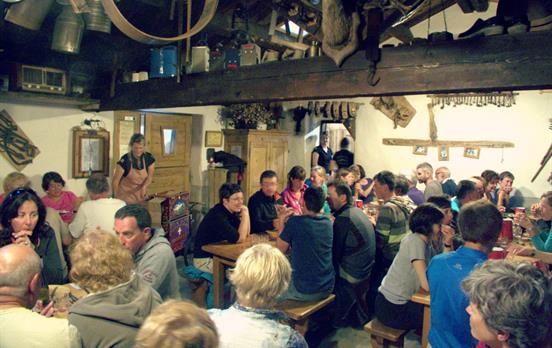
- Many huts share communal tables - expect to chat with fellow hikers!
- Food is cooked on site with supplies carried up by porters or helicopter - so portions are generous and dishes classic.
- Some huts may close early in shoulder seasons, so always check meal availability when booking.
Booking & Dietary Needs
- Some refuges make half-board mandatory, because carrying extra food on long stages is impractical.
- Let accommodation know dietary requirements in advance (vegetarian/Vegan/Gluten-free).
- While they’ll try their best to meet any dietary needs, if you’re vegan, they can struggle at times, as lots of the dishes are dairy/meat-based. We recommend taking extra snacks to supplement, just in case.

Drinks on the Tour du Mont Blanc
Tap Water - Yes, You Can Drink It
In villages, towns and most huts, tap water is safe to drink - but tastes vary by location. In Italy/France, it’s usually fine. In Switzerland, expect crisp mountain mineral notes. Always ask at huts if unsure.
Alcoholic Beverages by Country
- France: Local white wines (Savoie wines like Roussette or Apremont), beer and digestifs.
- Italy: Try Aosta Valley wines (Petit Rouge or Blanc de Morgex), grappa and Aperitivo-style drinks in Courmayeur.
- Switzerland: Swiss white wines (Fendant) and local ales.
Non-Alcoholic
- Espresso is popular in Italy and France - a perfect pick-me-up midday.
- Hot chocolate, herbal teas and mountain infusions are common in huts.

Dining Tips & Culture
Respect Local Customs:
- Meals are social - lingering, sharing stories around the table is part of the joy.
- In huts, staff may have limited English - knowing a few local food words helps.
Paying & Tipping:
- Tipping isn’t obligatory but appreciated. In France/Italy, a €1–€2 per meal tip or rounding up is standard. In Switzerland, a 5–10% tip is customary in restaurants.
- At huts, small cash tips for hut staff are welcomed but not expected.
Timing:
- Lunch on the trail is usually between 11:30 am and 2:00 pm in cafés or huts with midday service.
- Dinner service is often one sitting - in high season, huts may not serve à la carte.

Dining in Key Towns Along the Tour du Mont Blanc
Here’s how eating and drinking differ from high huts to valley villages:
Les Houches (Start/Finish Point – France)
- Cuisine: Savoyard classics - tartiflette, fondue, raclette; good bakeries.
- Drinks: French alpine wines, local beers (e.g. Chamonix breweries).
- Vibe: Casual mountain town with cafes, bakeries and restaurants.
- Budget: €15–€25 for lunch; €25–€45 for dinner.
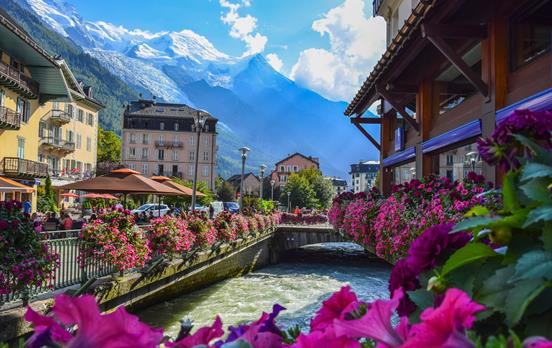
Chamonix (Gateway to the Alps)
- Cuisine: Wide choice - from mountain cuisine to fine dining. Try diots with polenta.
- Drinks: Apéritifs on outdoor terraces, Savoyard white wines.
- Tips: Book dinner reservations in high season.
- Budget: Casual meals €20–€35; sit-down dinners €40+.
Courmayeur (Italy – Aosta Valley)
- Cuisine: Pasta, polenta, cured meats (bresaola, speck), Fontina cheese-based dishes.
- Drinks: Italian wines (Valdôtain reds, whites), espresso culture.
- Vibe: Italian al-fresco dining and wine bars.
- Budget: Lunch €15–€30; dinner €30–€50.
Champex-Lac (Switzerland)
- Cuisine: Swiss cheeses (Raclette), rösti, alpine soups.
- Drinks: Swiss wines (Fendant), local craft beer.
- Budget: Lunch €20–€35; dinner €35–€55.
Prices are approximate and vary by season and location.

Classic Dishes to Try on the Tour du Mont Blanc
| Dish | Country | Notes |
|
Tartiflette |
France |
Potato, Reblochon cheese, lardons - mountain energy food. |
|
Fondue / Raclette |
France/Swiss |
Melted cheese with bread - quintessential Alpine experience. |
|
Polenta & Spezzatino |
Italy |
Hearty northern Italian mountain fare. |
|
Rösti |
Switzerland |
Grated potato with cheese/egg - great as lunch or dinner. |
|
Cured Meats & Cheeses |
All |
Perfect picnic components. |

What to Pack for Meals on the Trail
- Reusable water bottle (tap water refill).
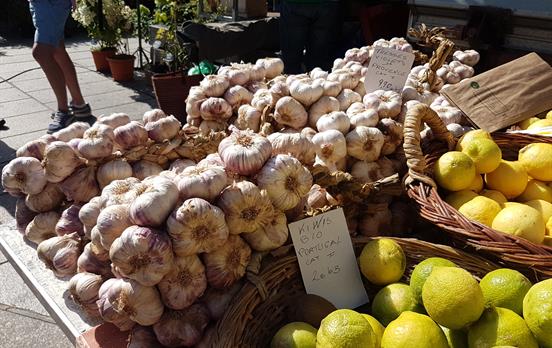
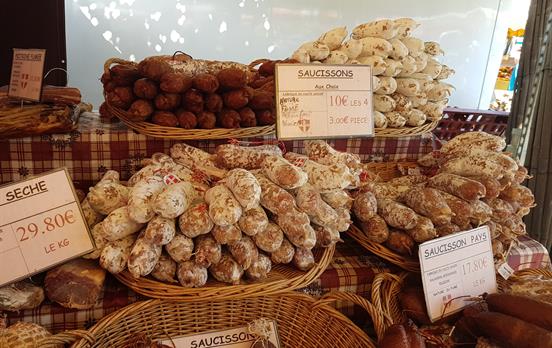
- Picnic supplies for lunch - local bread, cheese, dried meats from village shops.
- Cash for huts (some can’t take cards at high altitude).
- Lightweight snacks: nuts, dark chocolate, energy bars.
Head to our trail nutrition guide for more snack ideas >
Food and drink on the Tour du Mont Blanc are as memorable as the views. From robust mountain hut meals to cozy village dinners, you’ll taste the heritage of the Alps in every bite and sip - whether it’s sipping Swiss white wine lakeside at Champex-Lac or warming up with an Italian espresso in Courmayeur.
People Also Ask
- Guide to hiking the Tour du Mont Blanc
Everything you need to plan your TMB adventure, from route options and highlights to daily distances and logistics.
Read our full guide to hiking the Tour du Mont Blanc > - Weather conditions on the TMB
Expect changeable alpine weather-warm valley days, cooler mountain passes, and the occasional surprise shower.
Learn more about weather conditions on the TMB > - How fit do I need to be to hike the TMB
A good level of fitness helps, as you’ll be walking 6–8 hours a day with regular ascents and descents.
Find out how fit you need to be for the TMB > - How to get to the start of the TMB
Most routes begin in Chamonix, which is easily reached via Geneva Airport and a straightforward transfer.
See our guide on how to get to the start of the TMB > - TMB packing list
Think light layers, waterproofs, sturdy boots, and a few hut essentials-packing smart makes all the difference.
Check out our full TMB packing list > - Top tips for walking the TMB
Start early, pace yourself, pack light, and don’t forget to look up-the views are kind of the point.
Read our top tips for walking the TMB > - TMB FAQs
Got questions? From luggage transfers to route variations, our FAQs cover the details that make planning easier.
Browse our full TMB FAQs > - You’ve done the TMB, now what?
Once you’ve ticked off the TMB, there’s a whole world of long-distance trails waiting-think Alta Via routes or the Haute Route.
Explore where to go after the TMB > - TMB vs. Alta Via 1
Both offer spectacular alpine scenery, but the Alta Via 1 is quieter and more rugged, while the TMB is more social and well-established.
Compare the TMB vs. Alta Via 1 > - Mountain Hut guide – what’s it like to stay in a mountain hut?
From shared dorms to communal dinners, here’s what to expect when staying in alpine mountain huts along the trail.
Read our full mountain hut guide >




















 Canada