



Thinking about hiking the Tour du Mont Blanc (TMB) but wondering if you’re fit enough? You’re not alone. This iconic long-distance trek is a bucket-list adventure, covering around 105 miles (170km) and more than 10,000m of ascent and descent. It’s undeniably challenging - but it’s not reserved for elite athletes.
With the right preparation, many people with a reasonable level of fitness successfully complete the Tour du Mont Blanc every year. At Macs Adventure, we believe hiking should be accessible and enjoyable, which is why we offer a variety of self-guided TMB itineraries designed to suit different fitness levels and time frames.
Whether you’re aiming for the full circuit or a shorter highlights route, this guide will help you understand what fitness level you need, how to prepare both physically and mentally, and how to set yourself up for success on the trail.

What Is the Tour du Mont Blanc?
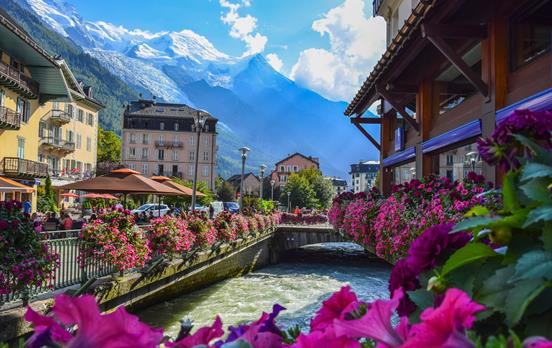
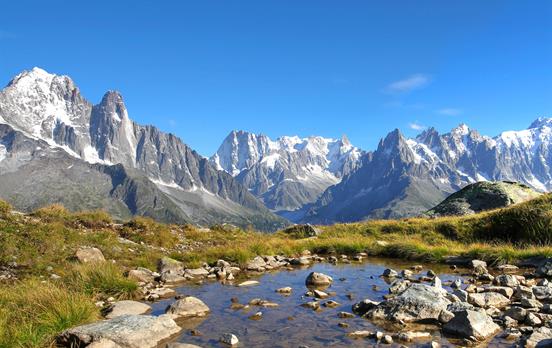
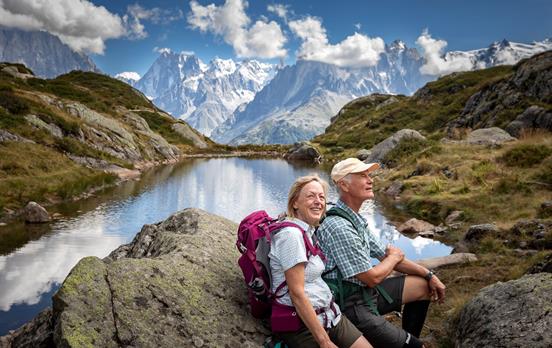
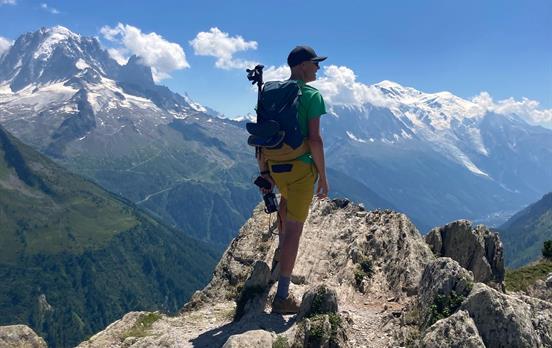
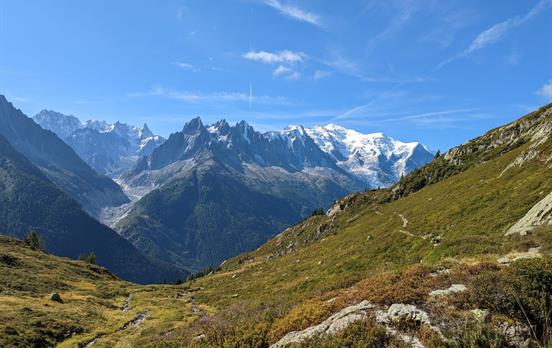
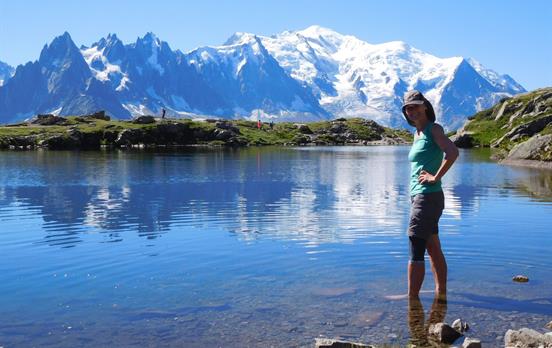
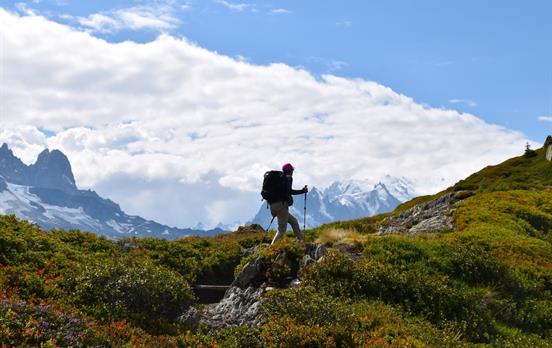
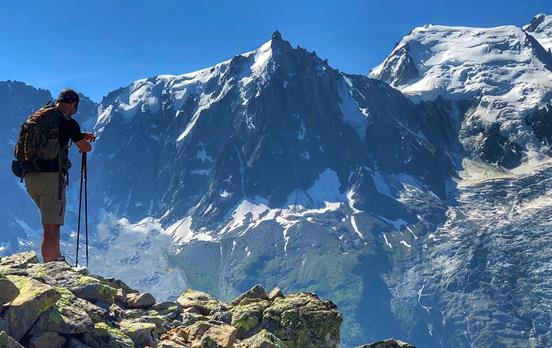
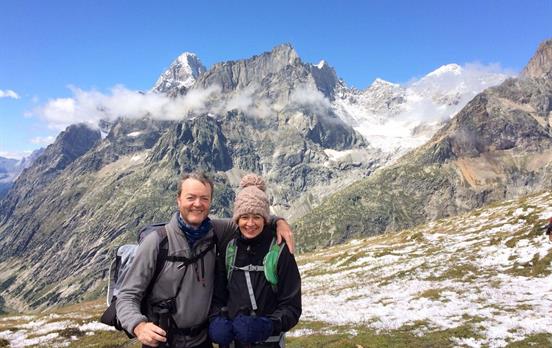
Often regarded as one of Europe’s most spectacular alpine hikes, the Tour du Mont Blanc loops around the Mont Blanc Massif, passing through France, Italy, and Switzerland. Along the way, you’ll encounter dramatic mountain scenery, glacier views, flower-filled meadows, and welcoming alpine villages.
The full 100-mile route is typically completed over 12 days, though extended and shorter options are also available. Importantly, the TMB isn’t about speed - it’s about steady progress, soaking up the scenery, and enjoying the journey.
Quick TMB Route Stats
- Distance: 170km (105 miles)
- Elevation gain: 10,000m (33,000 feet) ascent and descent
- Countries crossed: France, Italy, Switzerland
- Typical duration:
- 12 days (full circuit)
- 14 days (extended route)
- 5 days (short break)
From glacier-backed mountain passes to relaxed coffee stops in alpine refuges, the TMB offers a truly unforgettable experience.

How Fit Do You Need to Be for the TMB?
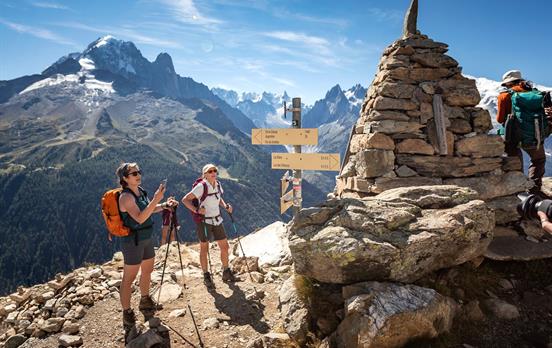
The Tour du Mont Blanc is best described as an endurance challenge rather than a technical one. You don’t need mountaineering experience or extreme fitness, but you should be comfortable hiking for several hours a day, often on steep and uneven terrain.
A good benchmark is this: if you can comfortably walk 5–7 hours in a day, including sustained climbs and descents, and repeat that effort for several consecutive days, you’re on the right track.
Common Challenges You’ll Encounter
- Steep climbs and descents: Frequent elevation changes mean strong legs and good joint stability are important.
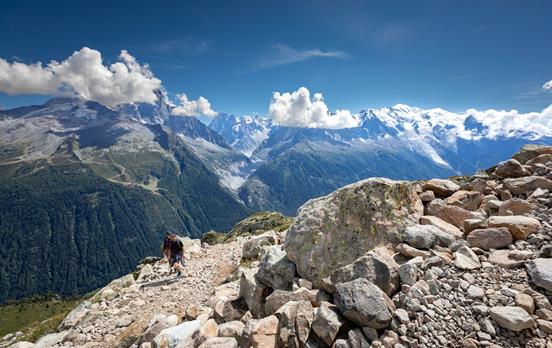
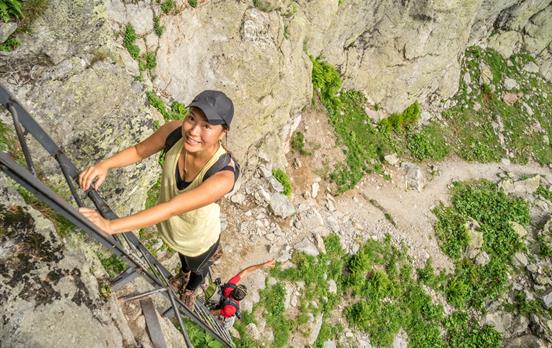
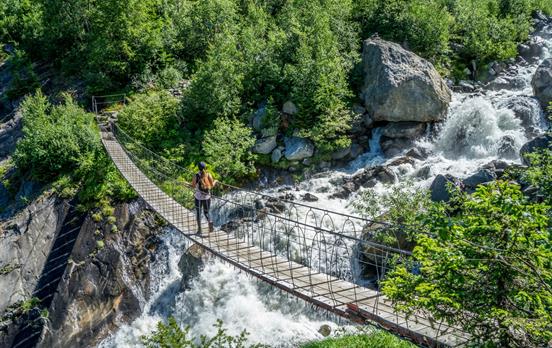
- Uneven terrain: Rocky paths, loose gravel, tree roots, and narrow mountain trails require good balance and sure-footedness.
- Long hiking days: Daily walks typically last 6–8 hours.
- Multi-day effort: Hiking day after day can be more demanding than a single long hike.
- Changeable Alpine weather: Conditions in the Alps can shift quickly, even in summer. Check out our TMB weather guide for more info.
The good news is that these challenges are very manageable with preparation - and with Macs Adventure’s luggage transfer service, you’ll usually only carry a daypack.
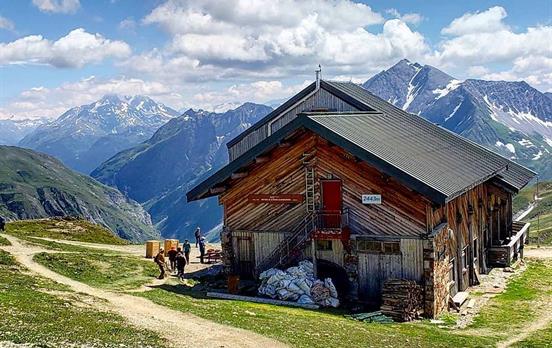
Please note: If you’re staying at Rifugio Bonatti, luggage transfers aren’t possible due to access restrictions. You’ll need to carry overnight essentials on this section, before being reunited with your main bag the following day.
If the full circuit feels like too much, our TMB Highlights and short-break itinerary allow you to experience the most scenic sections without the full physical commitment.

Physical Preparation: How to Train for the TMB
1. Walk Regularly
Consistency matters more than intensity at first. Build walking into your routine - commutes, lunchtime walks, or evening strolls all count.
- Aim for 3–4 walks per week
- Start carrying a backpack to mimic hiking conditions
2. Gradually Increase Distance
Over 4–6 months, build up from short walks (5–8km) to longer hikes of 20–25km.
- Include a few back-to-back walking days to simulate multi-day hiking
- This also helps develop mental resilience

3. Train on Hills
The TMB is defined by elevation gain and loss.
- Seek out hilly routes where possible
- Use treadmill incline settings or stair climbing if hills aren’t accessible
- Practice downhill walking to protect knees and joints
4. Add Cross-Training
Activities like cycling, swimming, Pilates, or yoga help build strength and stamina while reducing injury risk.
- Focus on hip, knee, and core strength
- Descents are often harder on the body than climbs
- Pay attention to mobility training to keep those joints supple
5. Break in Your Boots
Never start the TMB in brand-new boots.
- Wear them on long walks
- Experiment with lacing techniques to reduce toe pressure or improve ankle support
If you’re unsure where to begin, our team is always happy to help you choose an itinerary that matches your fitness level.

Mental Preparation: An Often-Overlooked Essential
Mental readiness plays a huge role on the Tour du Mont Blanc. Long days, changing weather, and physical fatigue can all test your mindset.
Tips for Staying Mentally Strong
- Celebrate small wins, like reaching a mountain pass or finishing a tough climb
- Reconnect with your motivation, whether that’s personal challenge, scenery, or time outdoors
- Practice gratitude - focusing on your surroundings can shift attention away from discomfort
- Pack snacks you actually want to eat – it may sound odd, but if you have a yummy snack to look forward to, it helps more than you might think! Check out our trail nutrition guide for more tips.

Packing Essentials for the TMB
Packing smartly helps keep daily hiking enjoyable.
Clothing
- Moisture-wicking base layers
- Insulating mid-layer (fleece or lightweight down jacket)
- Waterproof jacket and pants
Footwear
- Broken-in hiking boots with good ankle support
- Quality hiking socks (always pack a spare pair)
Extras
- Trekking poles (great for ascents and descents)
- Power bank (to keep your phone juiced)
- Reusable water bottle or hydration system
- Sunscreen, sunglasses, and a hat
First Aid
- Blister treatment
- Pain relief and personal medications
Pro tip: With luggage transfers included, you can keep your daypack light and focus on the trail.
Head to our TMB packing guide for a full checklist >

Safety and Health Tips
- Stay hydrated and eat regularly - snacks like trail mix, energy bars, dried fruit and electrolyte sachets work well
- Learn the signs of altitude-related discomfort, especially above 2,000m
- Check trail conditions and weather forecasts daily
- Familiarize yourself with TMB weather patterns before you go
After the Hike
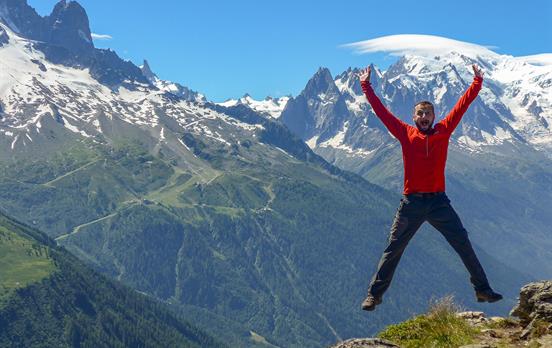
Completing the Tour du Mont Blanc is a huge achievement. Allow time to recover each night with stretching, gentle movement, good nutrition, and rest. Many hikers say the sense of accomplishment - and the memories - last long after the soreness fades.

Create Your Own Tour du Mont Blanc Adventure
You don’t need to be an elite athlete to hike the Tour du Mont Blanc - just prepared, motivated, and realistic about your pace. From full circuits to shorter highlights, there’s a TMB option for a wide range of fitness levels.
With tried-and-tested itineraries, route navigation, luggage transfers, and expert support, Macs Adventure makes self-guided hiking simpler and more enjoyable.
Ready to start planning? Explore our Tour du Mont Blanc trips or speak to one of our specialists to find your perfect fit.

People Also Ask
- Guide to hiking the Tour du Mont Blanc
Everything you need to plan your TMB adventure, from route options and highlights to daily distances and logistics.
Read our full guide to hiking the Tour du Mont Blanc > - Weather conditions on the TMB
Expect changeable alpine weather-warm valley days, cooler mountain passes, and the occasional surprise shower.
Learn more about weather conditions on the TMB > - How to get to the start of the TMB
Most routes begin in Chamonix, which is easily reached via Geneva Airport and a straightforward transfer.
See our guide on how to get to the start of the TMB >
- TMB packing list
Think light layers, waterproofs, sturdy boots, and a few hut essentials-packing smart makes all the difference.
Check out our full TMB packing list > - What to eat and drink on the TMB
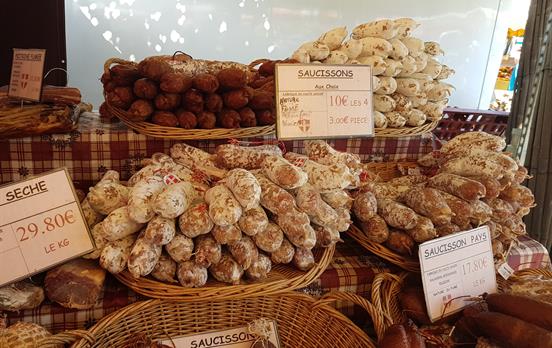
Refuel with hearty alpine meals, local cheeses, fresh bread, and the occasional well-earned beer or glass of wine.
Discover what to eat and drink on the TMB > - Top tips for walking the TMB
Start early, pace yourself, pack light, and don’t forget to look up-the views are kind of the point.
Read our top tips for walking the TMB > - TMB FAQs
Got questions? From luggage transfers to route variations, our FAQs cover the details that make planning easier.
Browse our full TMB FAQs > - You’ve done the TMB, now what?
Once you’ve ticked off the TMB, there’s a whole world of long-distance trails waiting-think Alta Via routes or the Haute Route.
Explore where to go after the TMB > - TMB vs. Alta Via 1
Both offer spectacular alpine scenery, but the Alta Via 1 is quieter and more rugged, while the TMB is more social and well-established.
Compare the TMB vs. Alta Via 1 > - Mountain Hut guide – what’s it like to stay in a mountain hut
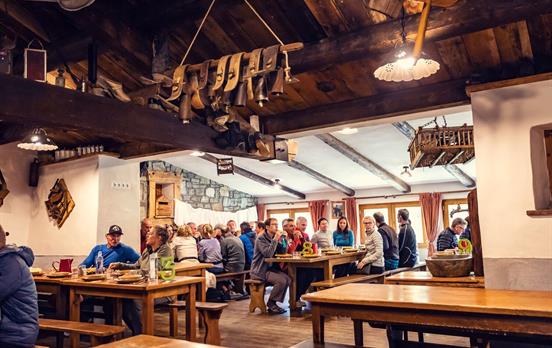
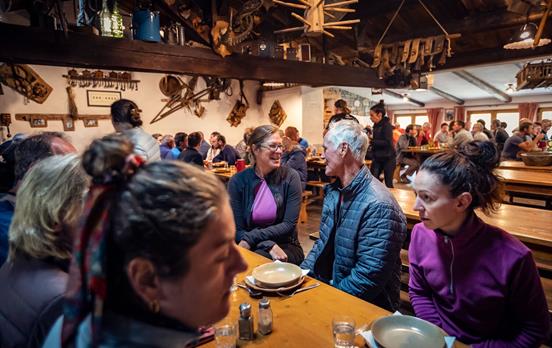
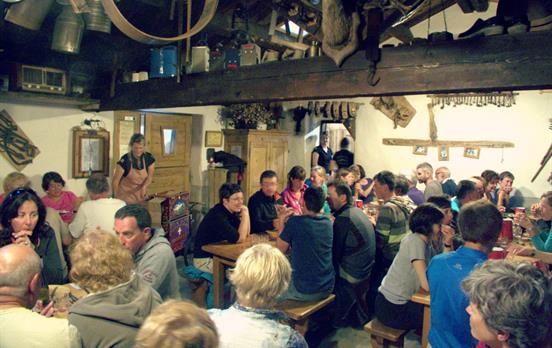
From shared dorms to communal dinners, here’s what to expect when staying in alpine mountain huts along the trail.
Read our full mountain hut guide >



















 Canada