



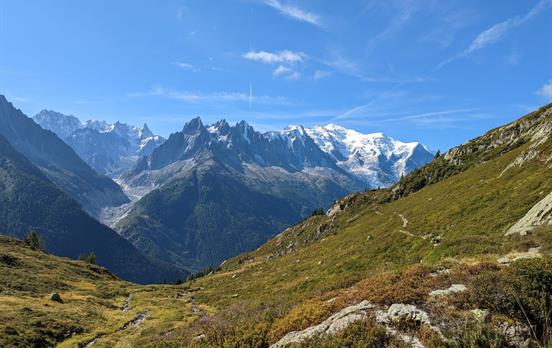
The Tour du Mont Blanc (TMB) is one of Europe’s most iconic long-distance hikes, circling the Mont Blanc massif through France, Italy, and Switzerland. Over roughly 100 miles, the trail delivers dramatic alpine scenery, flower-filled meadows, and welcoming mountain villages. But while the views may be unforgettable, your experience on the TMB is shaped just as much by one crucial factor: the weather.
Summer is the most popular time to hike the Tour du Mont Blanc, yet mountain conditions can still be unpredictable. Understanding what to expect - and how to prepare - is key to hiking confidently, comfortably, and safely. This guide covers summer weather patterns, what to pack, and how to plan around changing conditions on the trail.

Why Weather Matters on the Tour du Mont Blanc
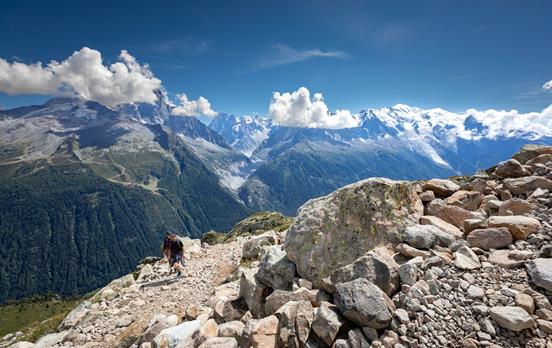
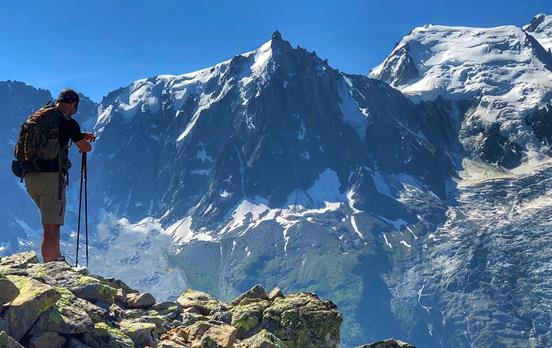
Unlike lower-altitude walking routes, the TMB regularly climbs above 8,000 feet (2,500 meters). At these elevations, weather can change quickly - even in the height of summer. Bright sunshine can give way to fog, rain, or thunderstorms in a matter of hours, and lingering snow may still be present on higher passes.
Being prepared for these shifts isn’t about expecting the worst - it’s about giving yourself the flexibility to enjoy the trail in comfort and safety, whatever the mountains decide to deliver that day.

The Best Time to Hike the Tour du Mont Blanc
July through September is widely considered the best window for hiking the TMB. During these months, most snow has cleared from the trail, mountain refuges and accommodations are fully open, and temperatures are generally favorable for long days of walking.
That said, each month has its own character:
- July and August offer warmer temperatures and long daylight hours, but also bring the highest number of hikers.
- September delivers cooler air, fewer people on the trail, and a more peaceful atmosphere - ideal for those seeking a quieter experience.
Choosing the right month depends on your priorities: social energy and summer warmth, or calmer paths and crisp alpine mornings.

Summer Weather Patterns on the Tour du Mont Blanc
July: Warm Days, Crisp Nights
- Temperatures: Valley temperatures typically range from 59°F to 77°F (15°C to 25°C). Higher elevations are cooler, averaging around 50°F (10°C).
- Conditions: July is often one of the drier months, with excellent visibility and long daylight hours.
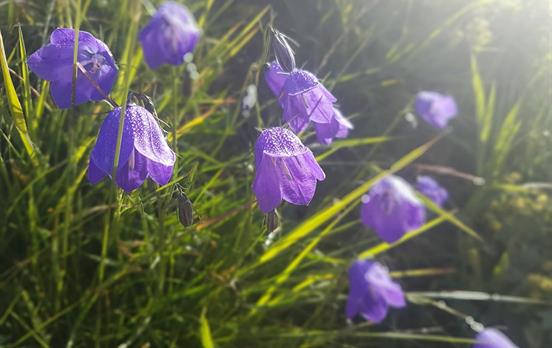
- Highlights: Alpine wildflowers are in full bloom, and trail conditions are usually at their best.
- Considerations: July is a busy month, bringing a lively, social atmosphere along the route.
August: Peak Summer Conditions
- Temperatures: Similar to July, with warm daytime hiking conditions and cooler evenings.
- Conditions: Mostly dry, though afternoon thunderstorms become more common - particularly after hot mornings.
- Highlights: High mountain passes are typically clear of snow, making August ideal for classic TMB stages.
- Considerations: European summer holidays can mean busier trails and accommodations.
September: Cooler, Calmer, and Colorful
- Temperatures: Daytime highs generally range from 50°F to 68°F (10°C to 20°C), with cooler nights.
- Conditions: Fewer storms than August and more settled weather overall.
- Highlights: Quieter trails, golden autumn tones, and a more tranquil hiking experience.
- Considerations: Shorter daylight hours mean careful planning is essential.

Snow on the Trails - Even in Summer
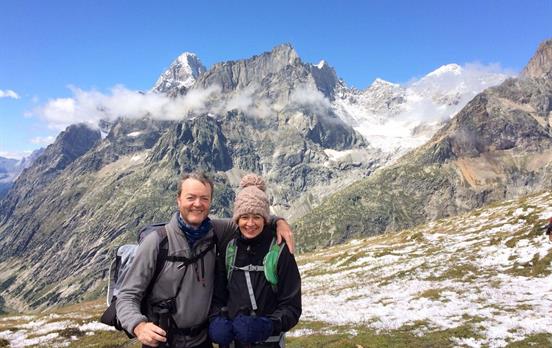
Although summer brings improved trail conditions, snow can still linger above 2,000 meters, particularly early in the season or after colder spells. This can affect both safety and pace on certain stages.
To stay comfortable and confident, we recommend packing:
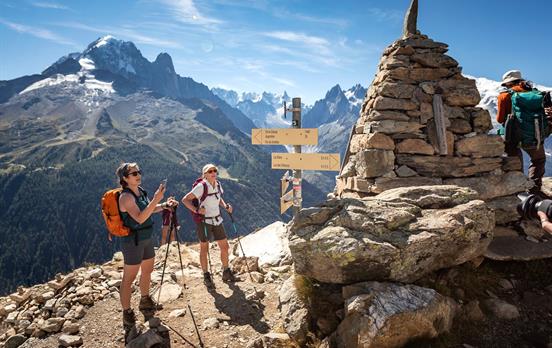
- Trekking poles: Essential for balance on steep or uneven ground
- Gaiters: Useful for keeping snow and moisture out of your boots
Before setting out each day, speak with your accommodation hosts - local knowledge is invaluable and often more accurate than general forecasts. Tourist offices along the route also provide up-to-date trail and weather information.
High passes that are most likely to be affected by lingering snow include:
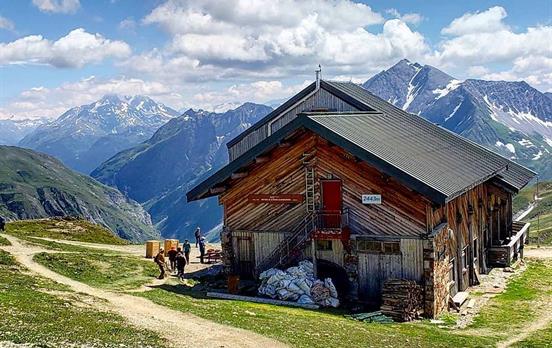
- Col de la Croix du Bonhomme (2,443m) – Les Contamines to Les Chapieux
- Col de la Seigne (2,516m) – Les Chapieux / Refuge des Mottets to Courmayeur
- Grand Col Ferret (2,537m) – Courmayeur / Bonatti to La Fouly
If conditions make these sections unsuitable, our 24/7 support line can help you with alternative routes - allowing you to continue your journey safely while still enjoying the alpine scenery.

Preparing for Summer Weather on the TMB
1. Keep an eye on the forecast
Mountain forecasts are most reliable when checked daily. These resources are especially useful for the TMB:
They provide altitude-specific insights and help you anticipate changes before you’re on the trail.
2. Live webcams are your friends
Official Tour du Mont Blanc Webcams offer real-time visibility of trail conditions, snow cover, and cloud levels. They’re one of the simplest ways to decide whether you’ll need extra layers - or extra sunscreen.

3. Pack for all conditions
Even in summer, layering is essential.
For warm days:
- Lightweight, breathable clothing
- Sunhat and high-SPF sunscreen
For cold or wet weather:
- A reliable waterproof jacket
- Insulating layers such as fleece or thermals
- Sturdy hiking boots with good grip
Essential extras:
- Trekking poles for stability on ascents and descents
- Gloves and a lightweight beanie for cool mornings
For a complete checklist, see our Tour du Mont Blanc packing guide >

4. Never heard of Neve? Now you have!
Neve is compacted snow that has gone through repeated freeze–thaw cycles, making it firm and slippery. It’s common on shaded slopes and higher passes. If you encounter neve, slow your pace, use trekking poles for balance, and assess the safest line across.
Making the Most of Your Tour du Mont Blanc Adventure
With the right preparation, summer weather on the Tour du Mont Blanc becomes part of the adventure - not an obstacle. Whether you’re drawn to July’s wildflowers, August’s high-alpine energy, or September’s peaceful trails, understanding the conditions helps you walk with confidence and fully enjoy this world-class route.

People Also Ask
- Guide to hiking the Tour du Mont Blanc
Everything you need to plan your TMB adventure, from route options and highlights to daily distances and logistics.
Read our full guide to hiking the Tour du Mont Blanc > - How fit do I need to be to hike the TMB
A good level of fitness helps, as you’ll be walking 6–8 hours a day with regular ascents and descents.
Find out how fit you need to be for the TMB > - How to get to the start of the TMB
Most routes begin in Chamonix, which is easily reached via Geneva Airport and a straightforward transfer.
See our guide on how to get to the start of the TMB > - TMB packing list
Think light layers, waterproofs, sturdy boots, and a few hut essentials-packing smart makes all the difference.
Check out our full TMB packing list > - What to eat and drink on the TMB
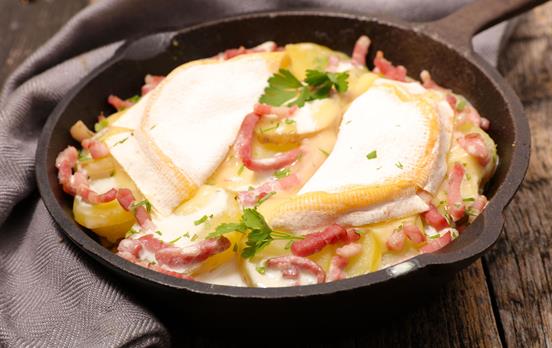
Refuel with hearty alpine meals, local cheeses, fresh bread, and the occasional well-earned beer or glass of wine.
Discover what to eat and drink on the TMB > - Top tips for walking the TMB
Start early, pace yourself, pack light, and don’t forget to look up-the views are kind of the point.
Read our top tips for walking the TMB > - TMB FAQs
Got questions? From luggage transfers to route variations, our FAQs cover the details that make planning easier.
Browse our full TMB FAQs > - You’ve done the TMB, now what?
Once you’ve ticked off the TMB, there’s a whole world of long-distance trails waiting-think Alta Via routes or the Haute Route.
Explore where to go after the TMB > - TMB vs. Alta Via 1
Both offer spectacular alpine scenery, but the Alta Via 1 is quieter and more rugged, while the TMB is more social and well-established.
Compare the TMB vs. Alta Via 1 > - Mountain Hut guide – what’s it like to stay in a mountain hut
From shared dorms to communal dinners, here’s what to expect when staying in alpine mountain huts along the trail.
Read our full mountain hut guide >


















 Canada