



If you’re drawn to big mountain scenery, dramatic trails, and the kind of adventure that stays with you long after you’ve returned home, both the Tour du Mont Blanc (TMB) and Alta Via 1 are likely already on your radar.
These are two of Europe’s most iconic long-distance hikes, but they offer very different experiences.
The TMB circles Western Europe’s highest peak, crossing France, Italy and Switzerland in a well-established loop. Alta Via 1, on the other hand, cuts through the heart of Italy’s Dolomites, serving up jagged limestone peaks, remote trails, and unforgettable rifugio stays.
So, which one is right for you?
Let’s break it down.

Differences Between The TMB & Alta Via 1
| Tour du Mont Blanc | Alta Via 1 | |
|
Location |
France, Italy & Switzerland |
Italy (Dolomites) |
|
Distance |
~170km / 105 miles |
~120km / 75 miles |
|
Duration |
7-12 days |
7-10 days |
|
Difficulty |
Moderate to challenging |
Moderate to challenging (with more rugged sections) |
|
Accommodation |
Hotels, inns & some mountain huts |
Predominantly mountain huts (rifugios) |
|
Best for |
If you want a classic Alpine experience |
More adventurous hikers seeking a wilder feel |

Scenery & Landscapes
Tour du Mont Blanc
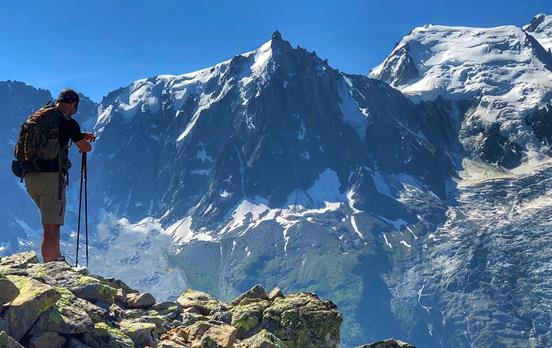
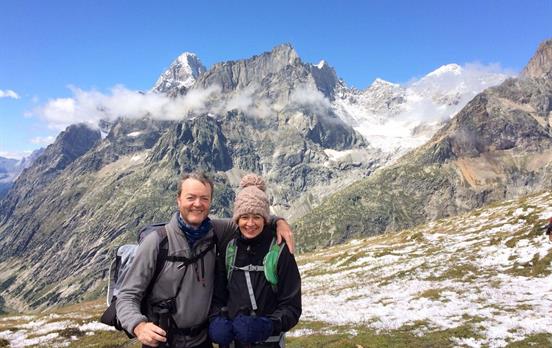
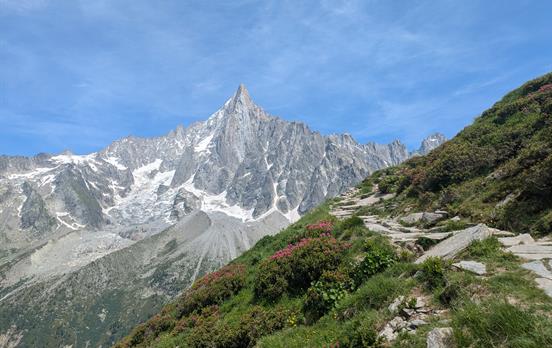
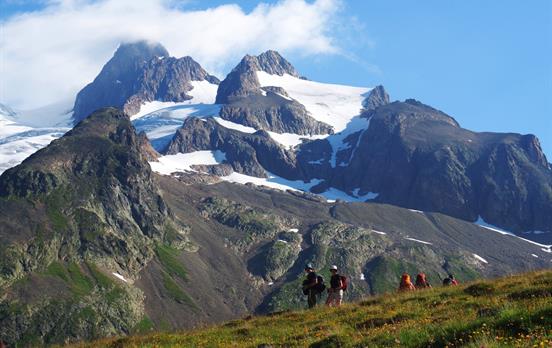
The TMB delivers classic Alpine variety.
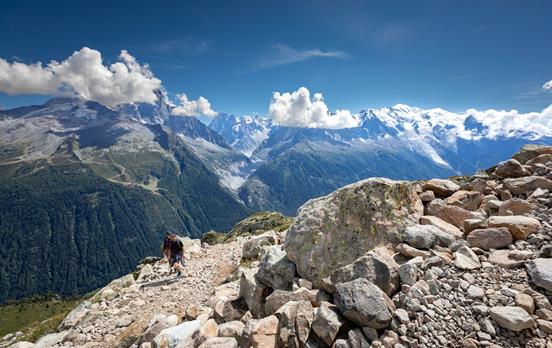
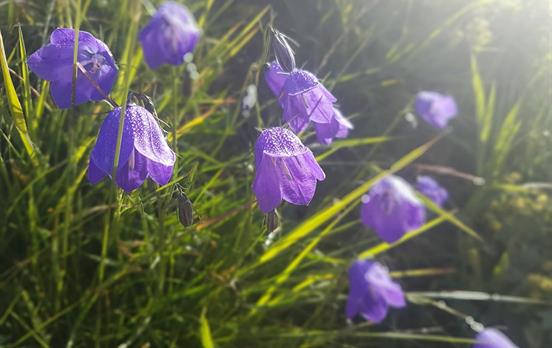
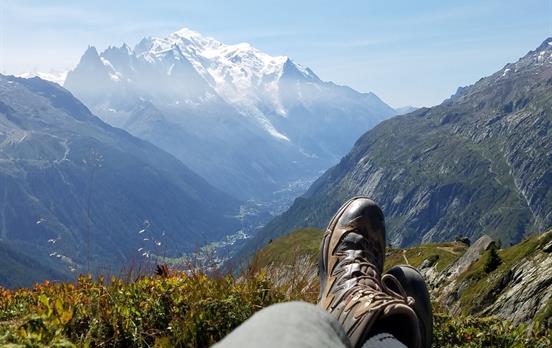
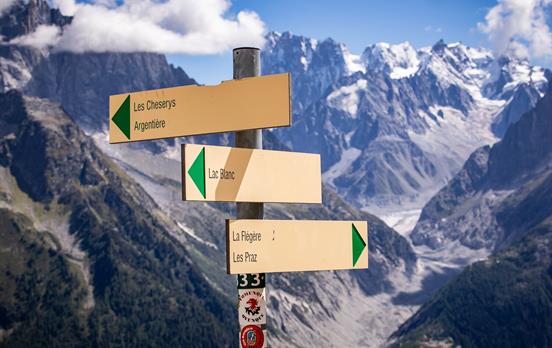
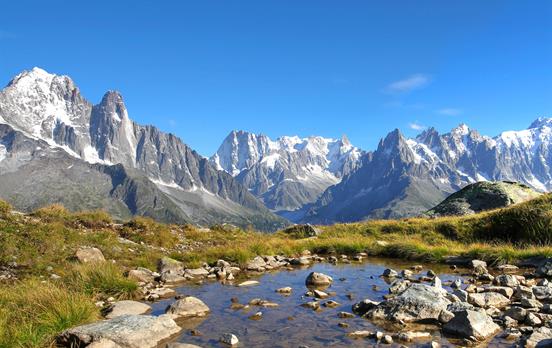
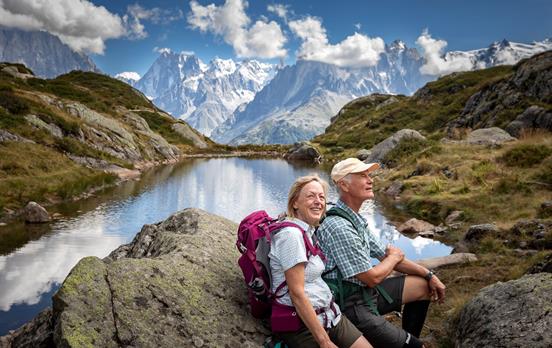
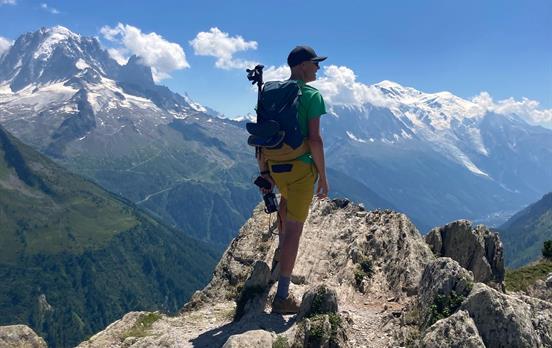
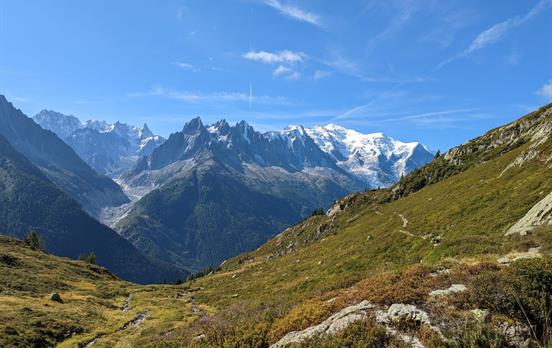
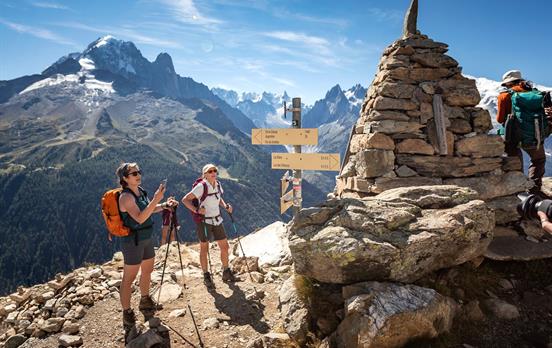
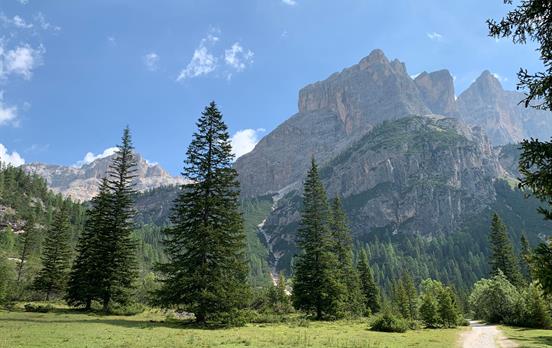
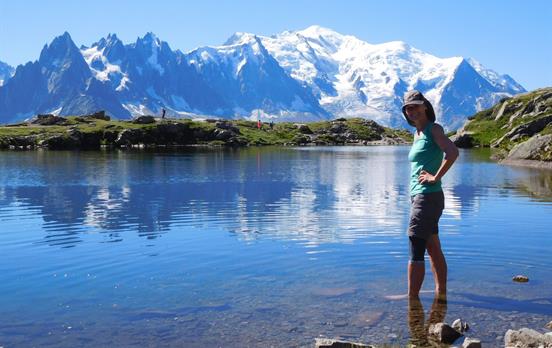
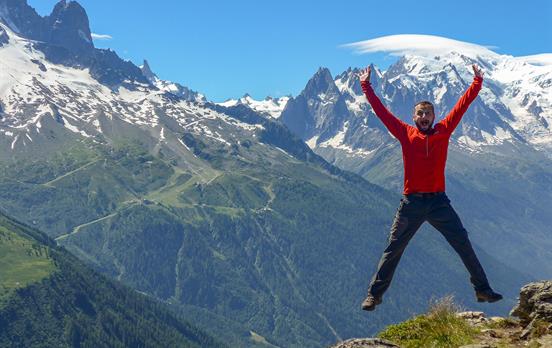
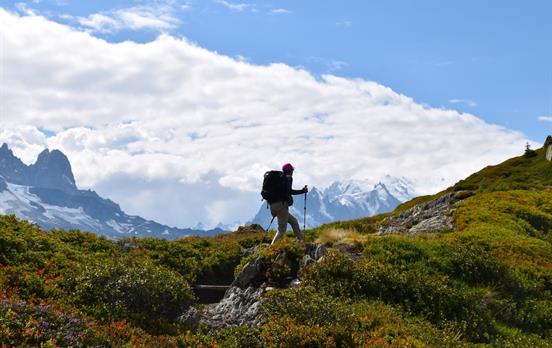
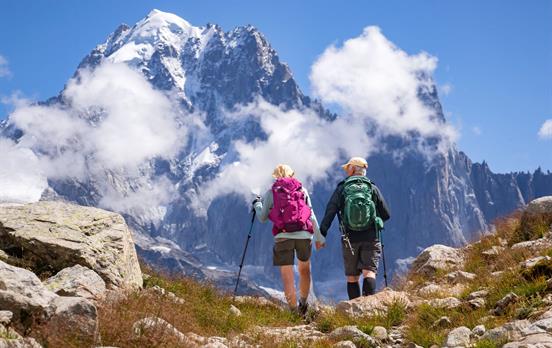
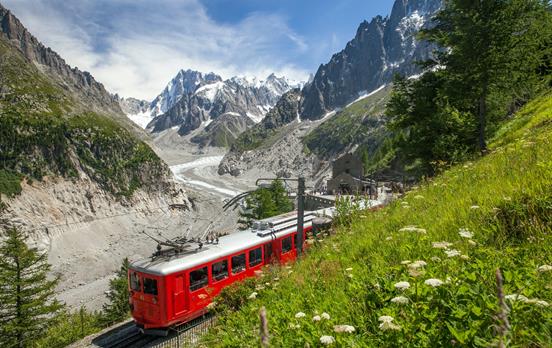
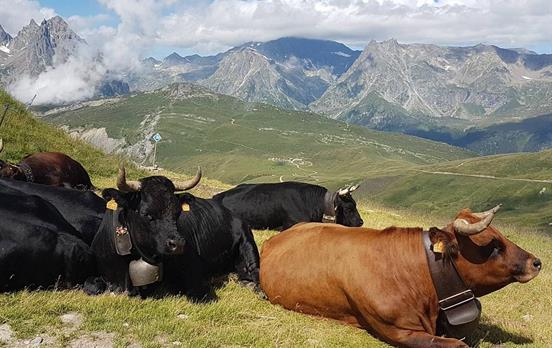
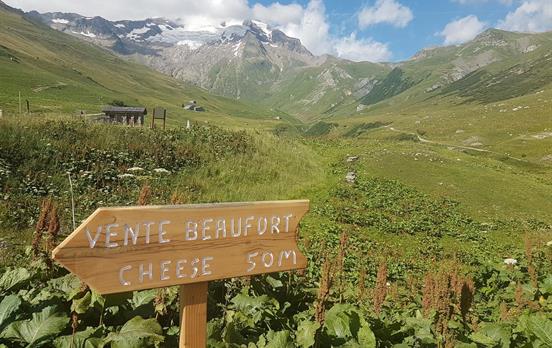
You’ll pass through flower-filled meadows, glacier-carved valleys, dense forests, and high mountain passes-all with constant views of the Mont Blanc massif. One of its biggest strengths is how much the scenery changes as you cross borders, with each country bringing its own character.
Expect:
- Snow-capped peaks and glaciers
- Lush valleys and alpine pastures
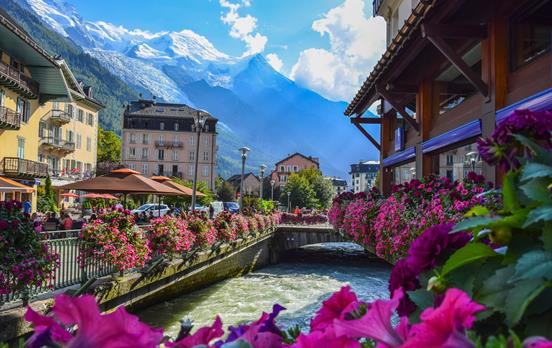
- Charming villages and cultural variety
Alta Via 1
Alta Via 1 is all about drama.
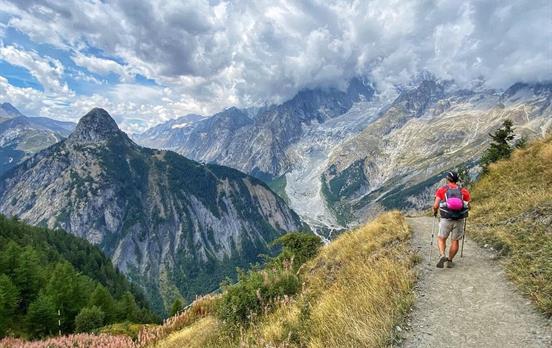
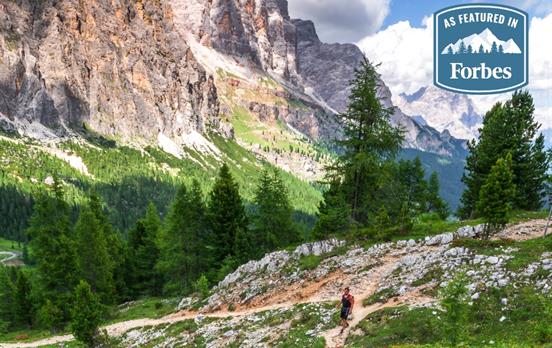
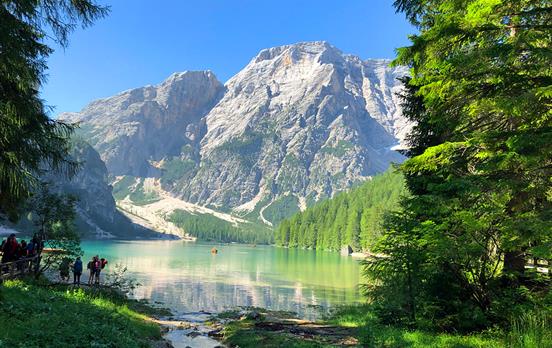
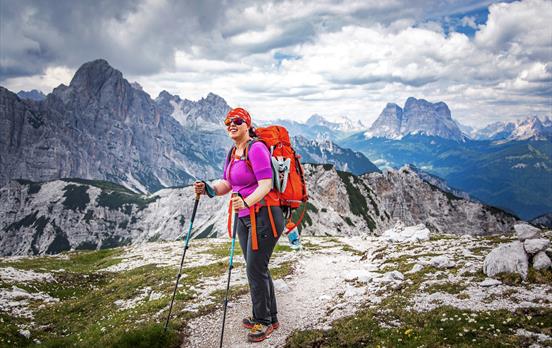
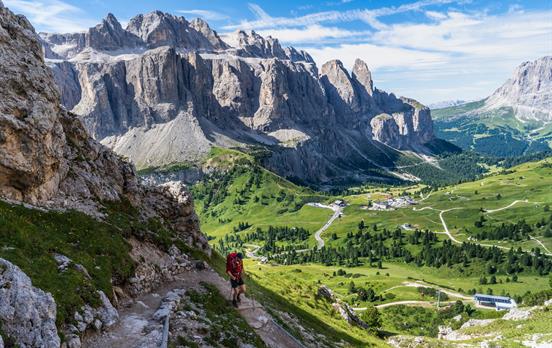
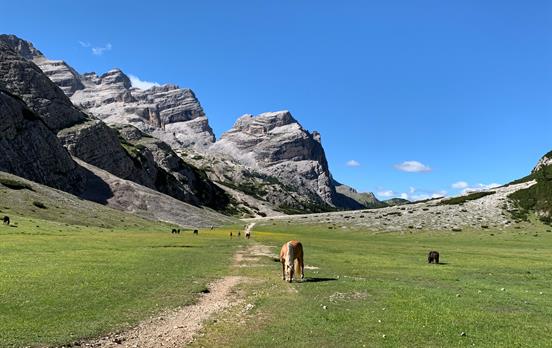
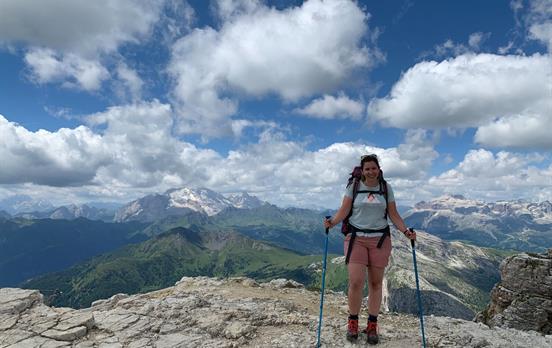
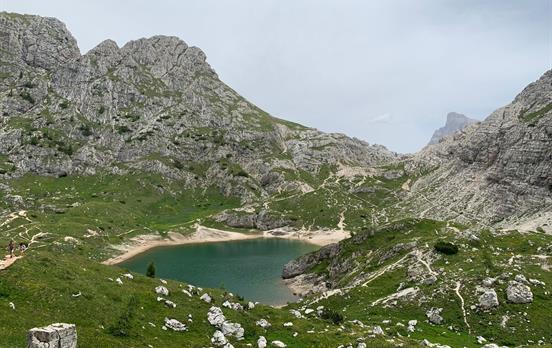
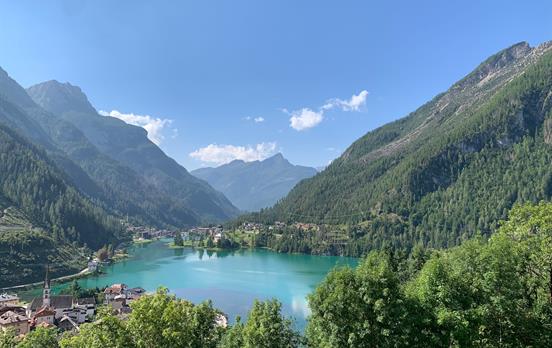
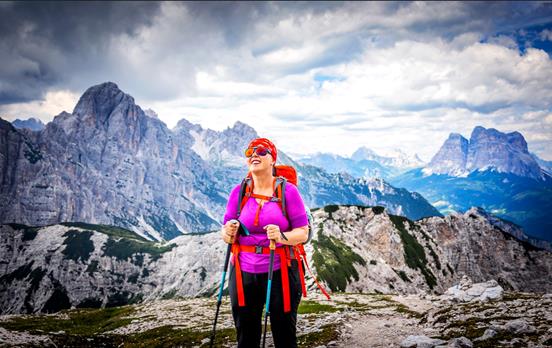
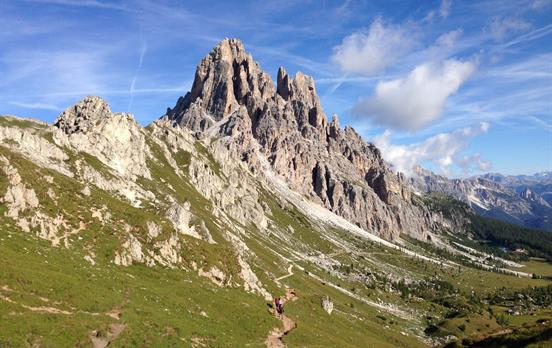
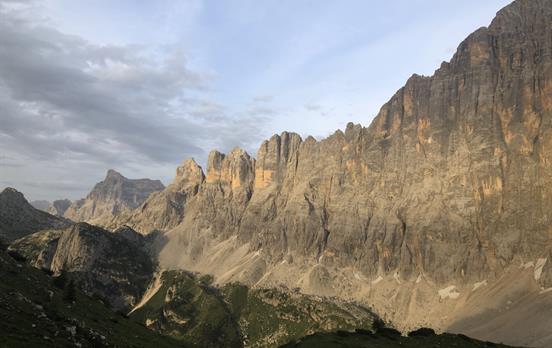
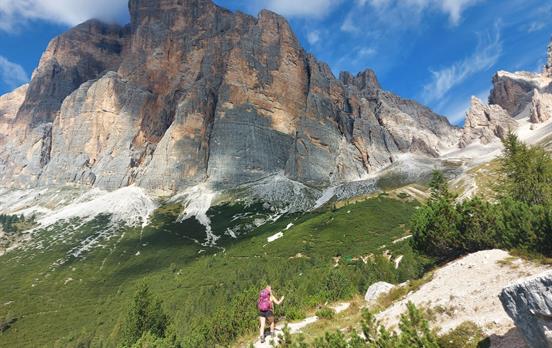
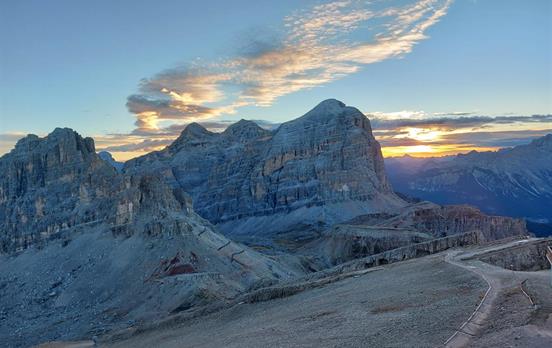
The Dolomites are unlike anywhere else in the Alps, with jagged limestone towers, sheer rock faces, and glowing sunsets that turn the mountains pink (the famous enrosadira). The landscapes feel more rugged, more vertical, and often more remote.
Expect:
- Towering rock spires and dramatic ridgelines
- High, exposed trails
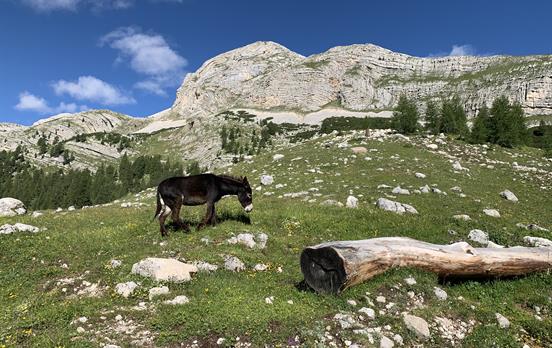
- Remote, wild-feeling terrain
The difference:
The TMB is all about variety, ever-changing landscapes, shifting cultures, and a sense of journey as you move between countries. Alta Via 1, by contrast, is more consistent in feel but far more dramatic, with bold, vertical landscapes that feel sharper, wilder, and more intense from start to finish.

Difficulty & Terrain
Tour du Mont Blanc
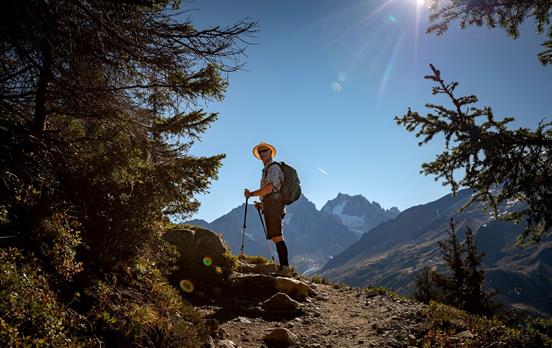
The TMB is often considered the perfect classic multi-day alpine trek.
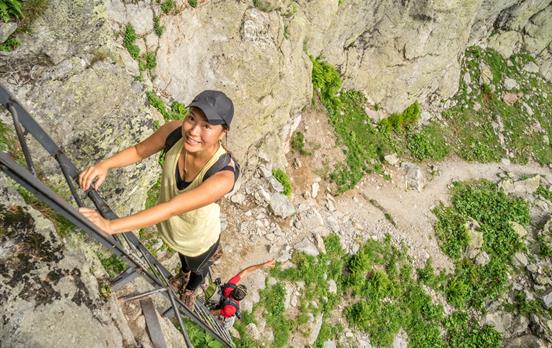
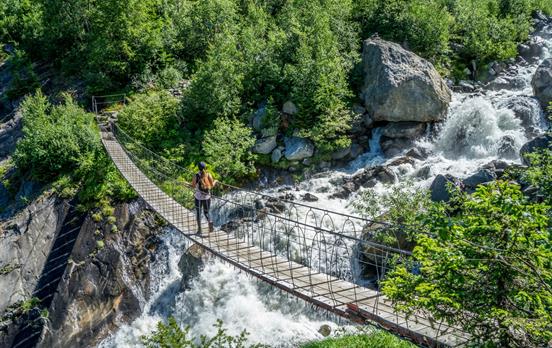
While it’s physically demanding-with long days and significant elevation gain-the trails are generally well-marked and more maintained than those on Alta Via 1. That said, it’s not without its challenges, with certain sections featuring ladders and fixed ropes along exposed cliff faces.
Key points:
- Long ascents and descents
- Well-maintained trails
- No technical climbing required, but you can expect some ladders and ropes
Alta Via 1
Alta Via 1 steps things up a notch.
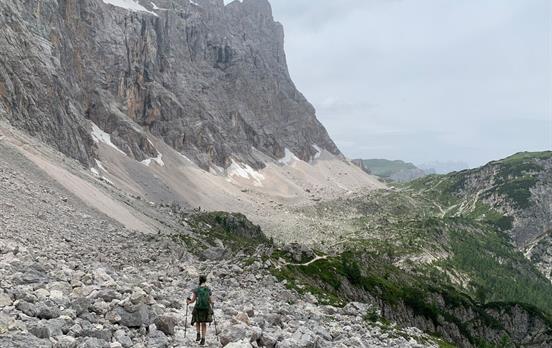
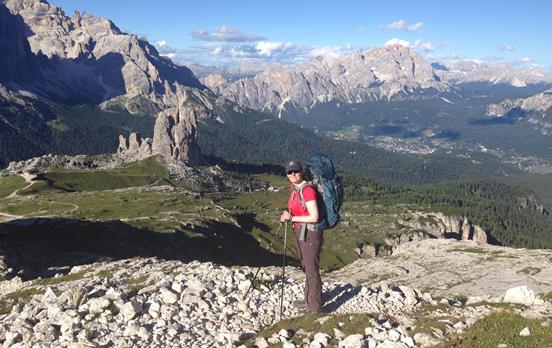
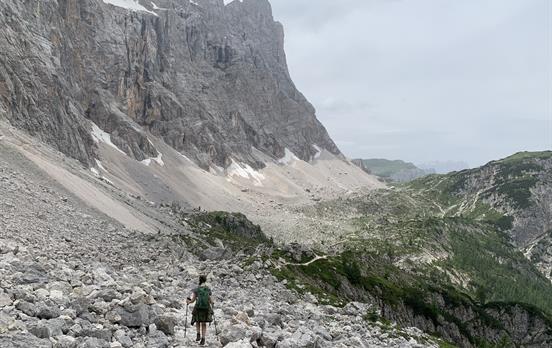
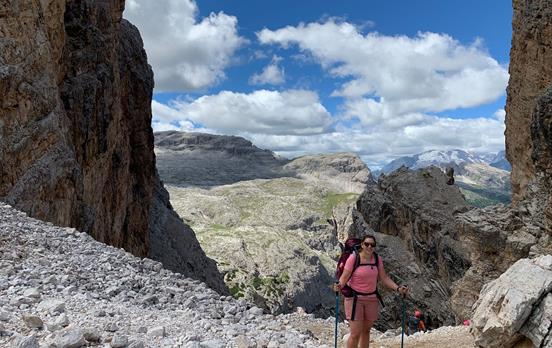
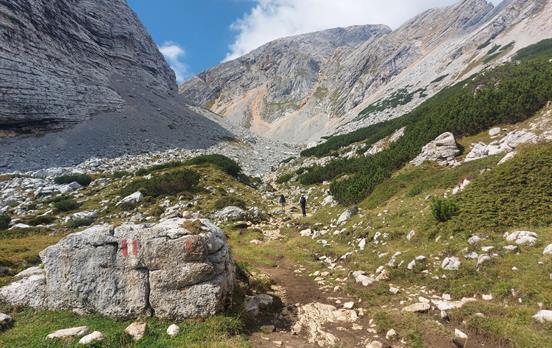
Although not a via ferrata route, it includes steeper, rockier paths and more exposed sections. Some stages can feel more committing, especially if you’re not used to high mountain terrain. Expect scree, tree roots, narrow paths and clambering over boulders.
Key points:
- Steeper, rockier trails
- Occasional exposure
- Feels more rugged and remote
The difference:
The TMB is the more accessible of the two well-marked, better-maintained, and a classic choice for a first multi-day alpine trek, albeit still with some exposed sections featuring ladders and ropes. Alta Via 1, by contrast, feels wilder underfoot, with rougher, rockier terrain and more exposure. But both offer a greater sense of adventure throughout.

Accommodation & Experience
Tour du Mont Blanc
One of the TMB’s biggest appeals is comfort.
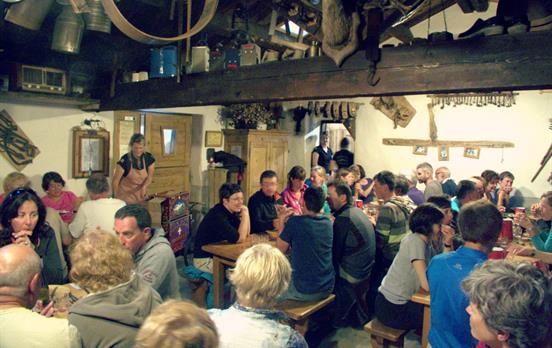
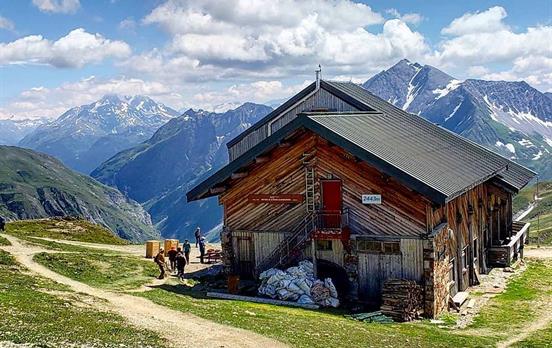
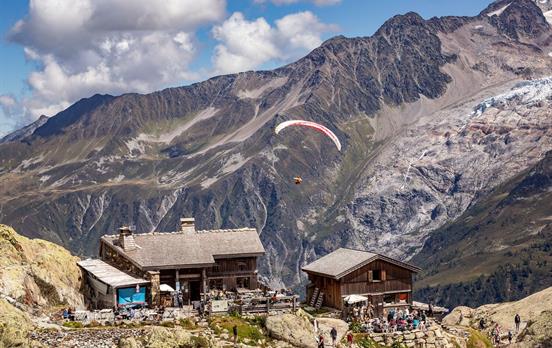
Depending on your trip style, you’ll stay in a mix of auberges and mountain huts, often in shared dorm-style rooms, though private rooms are possible if available. Evenings might include a hearty three-course meal and a comfortable bed, making it a great choice if you like your adventure with a touch of ease.
Vibe:
- Comfortable and sociable
- Wide range of accommodation styles
- Ideal for first-time hut or multi-day hikers
Alta Via 1
Alta Via 1 is all about the rifugio experience.
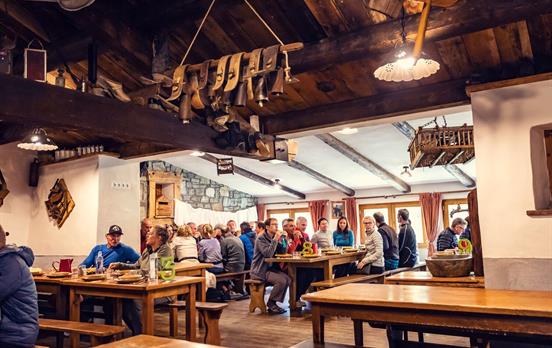
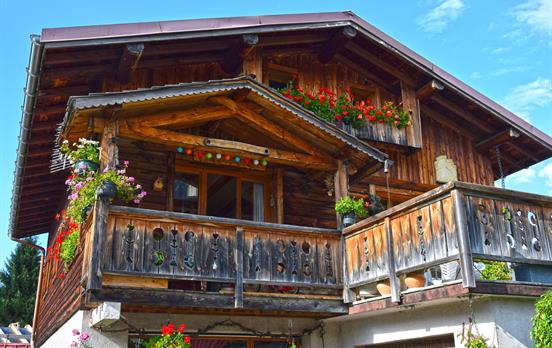
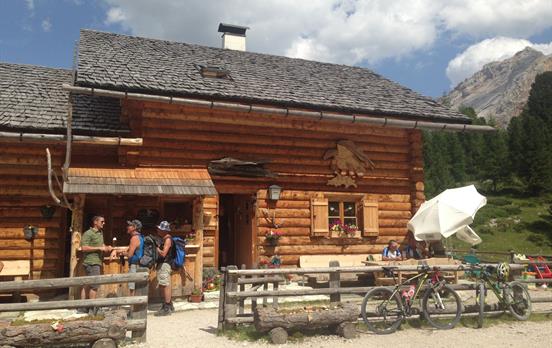
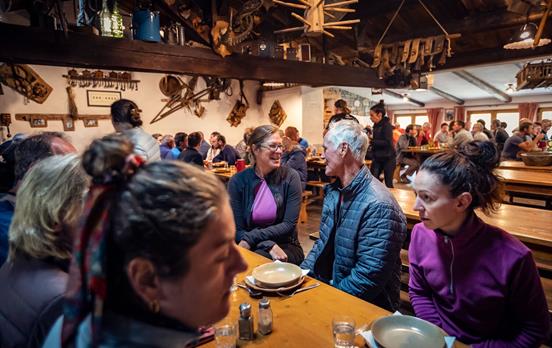
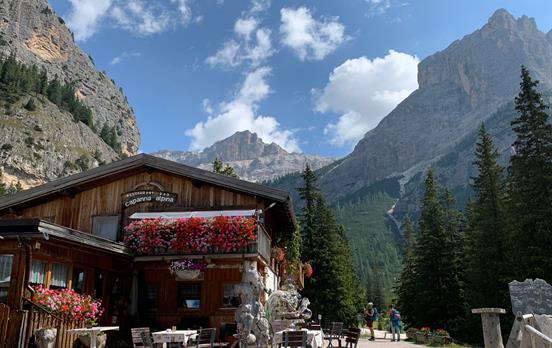
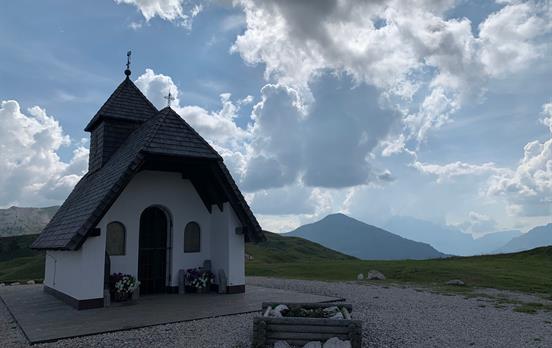
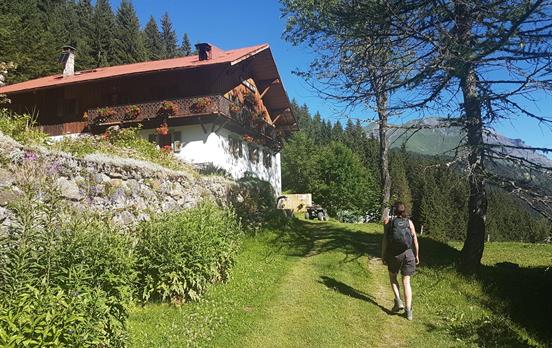
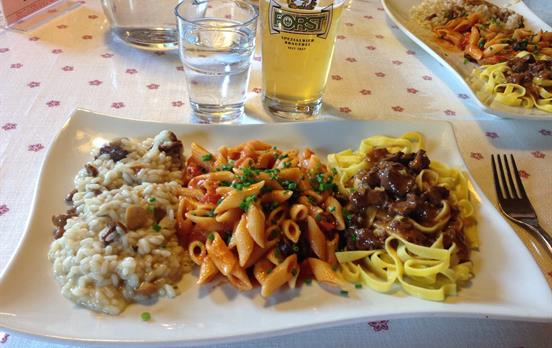
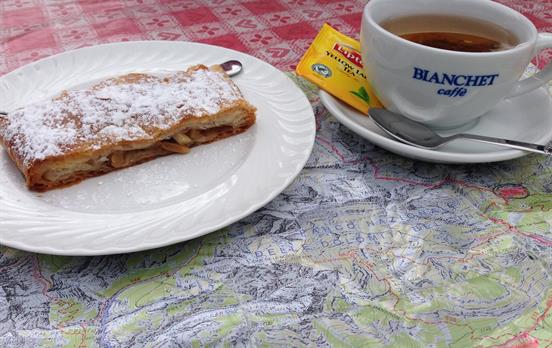
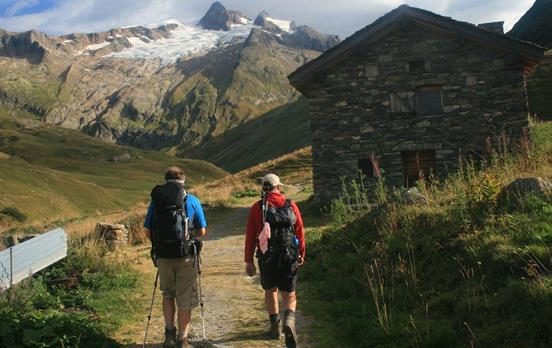
You’ll stay in traditional mountain huts high in the Dolomites, often sharing dorm-style rooms. Evenings are communal, with home-cooked meals, lively conversation, and front-row seats to sunset over the peaks.
Vibe:
- Immersive and authentic
- More communal, less private
- A true “in the mountains” experience
The difference:
TMB offers comfort and flexibility, while Alta Via 1 is more immersive and back-to-basics.
Both routes offer a classic hut-to-hut alpine experience, where clean and comfortable but basic is part of the deal, and once you’re on the trail, you’re committed. The TMB may be more established and better maintained, but it still delivers a true high-mountain journey with exposed, demanding sections. Alta Via 1, meanwhile, feels a touch more rugged and remote overall. In reality, both are serious alpine treks, just with slightly different flavors of adventure.

Navigation & Logistics
Tour du Mont Blanc
The TMB is one of the best-supported long-distance hikes in Europe.
- Excellent trail marking
- Frequent villages and facilities
This makes it logistically straightforward, especially for self-guided travel.
Alta Via 1
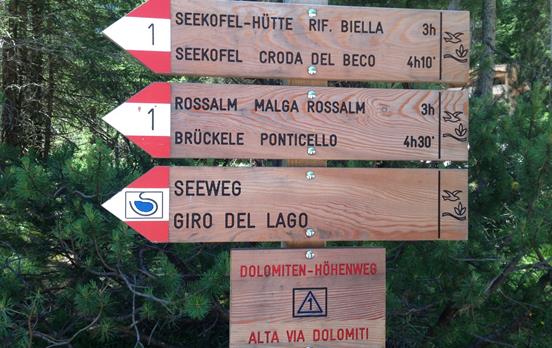
Alta Via 1 is still well-marked, but feels more remote.
- Fewer access points
- Longer stretches between facilities
- Greater reliance on hut-to-hut planning
The difference:
TMB is easier to navigate and access, while Alta Via 1 requires a bit more commitment and planning. When you book with Macs, you get your route navigation via our award-winning app.

When to Go
July to September is the best time for both routes. The TMB will likely still have snow on the higher passes, particularly in July and September.
Popularity & Trail Atmosphere
Tour du Mont Blanc
This is one of the world’s most famous hikes-and it shows.
- Busy in peak season
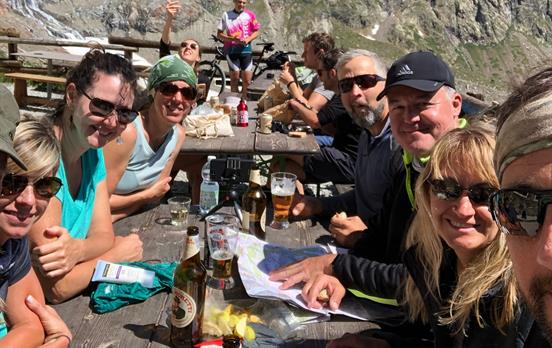
- Social, lively atmosphere
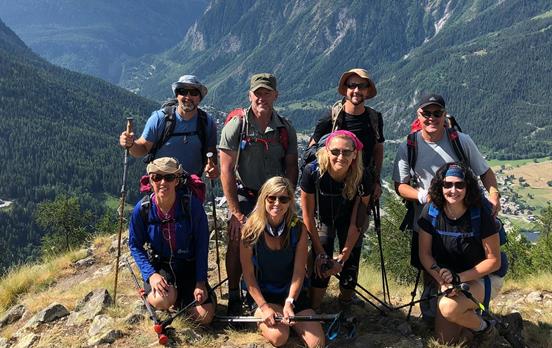
- Plenty of fellow hikers along the way
Alta Via 1
Still popular, but noticeably quieter.
- Fewer hikers on the trail
- More peaceful and remote feel, although around Averau and Lagazoui can become much busier with day walkers
- Evenings centered around hut life
The difference:
TMB is more social and busier, while Alta Via 1 feels quieter and more secluded, although accommodations on both routes get booked up fast.

So, Which Should You Choose?
Choose the Tour du Mont Blanc if you:
- Want a classic, iconic alpine experience
- Prefer slightly more comfortable accommodation options
- Are new to multi-day mountain trekking
- Enjoy a social trail atmosphere
Choose Alta Via 1 if you:
- Crave dramatic, rugged mountain scenery
- Don’t mind more basic, communal accommodation
- Want a slightly more challenging, adventurous feel
- Prefer quieter, more remote trails
Explore our Alta Via 1 itineraries >
Final Thoughts
You can’t really go wrong here.
Both the Tour du Mont Blanc and Alta Via 1 deliver unforgettable days on the trail, incredible mountain scenery, and that quiet sense of achievement that comes from moving through landscapes on foot.
It just comes down to the kind of experience you’re looking for.
TMB: Classic and varied
Alta Via 1: Dramatic, immersive, and a little wilder
Whichever you choose, you’re in for something special.

People Also Ask
- Guide to hiking the Tour du Mont Blanc
Everything you need to plan your TMB adventure, from route options and highlights to daily distances and logistics.
Read our full guide to hiking the Tour du Mont Blanc > - What to pack for the Alta Via
From handy kit to lightweight layers, here are all the essentials for the ultimate Alta Via 1 adventure.
Read our Alta Via 1 packing list > - Weather conditions on the TMB
Expect changeable alpine weather-warm valley days, cooler mountain passes, and the occasional surprise shower.
Learn more about weather conditions on the TMB > - How fit do I need to be to hike the TMB?
A good level of fitness helps, as you’ll be walking 6-8 hours a day with regular ascents and descents.
Find out how fit you need to be for the TMB >
- How to get to the start of the TMB
Most routes begin in Chamonix, which is easily reached via Geneva Airport and a straightforward transfer.
See our guide on how to get to the start of the TMB >
- TMB packing list
Think light layers, waterproofs, sturdy boots, and a few hut essentials-packing smart makes all the difference.
Check out our full TMB packing list > - What to eat and drink on the TMB
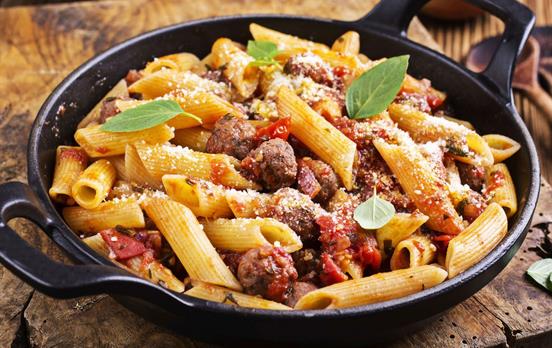
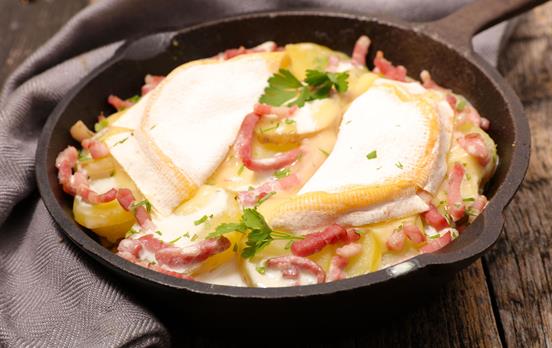
Refuel with hearty alpine meals, local cheeses, fresh bread, and the occasional well-earned beer or glass of wine.
Discover what to eat and drink on the TMB > - Top tips for walking the TMB
Start early, pace yourself, pack light, and don’t forget to look up-the views are kind of the point.
Read our top tips for walking the TMB > - TMB FAQs
Got questions? From luggage transfers to route variations, our FAQs cover the details that make planning easier.
Browse our full TMB FAQs > - You’ve done the TMB, now what?
Once you’ve ticked off the TMB, there’s a whole world of long-distance trails waiting-think Alta Via routes or the Haute Route.
Explore where to go after the TMB > - Mountain Hut guide - what’s it like to stay in a mountain hut?
From shared dorms to communal dinners, here’s what to expect when staying in alpine mountain huts along the trail.
Read our full mountain hut guide >



























 Canada