



Discover France
-
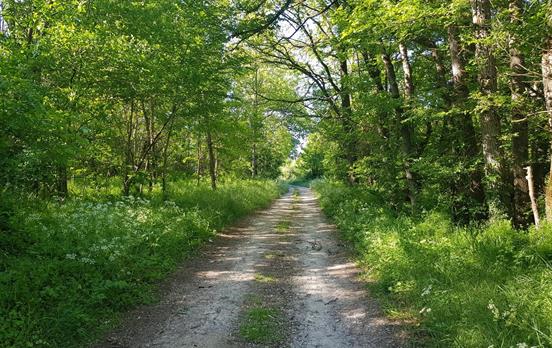
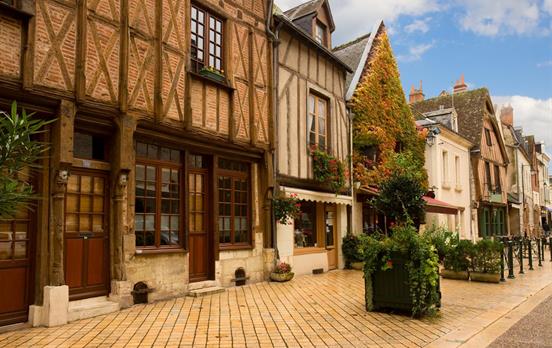
Five Best Regions to walk in France
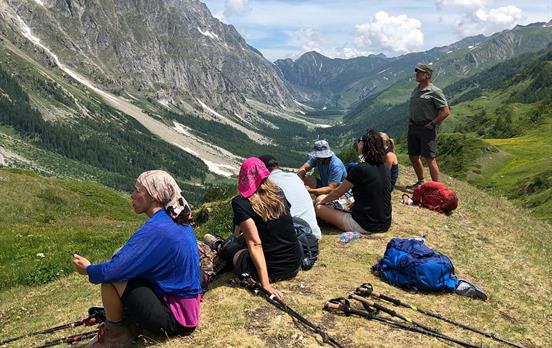
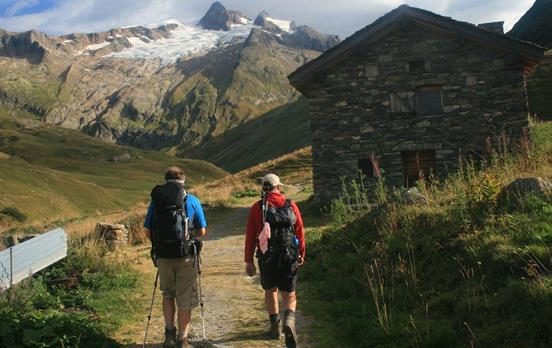
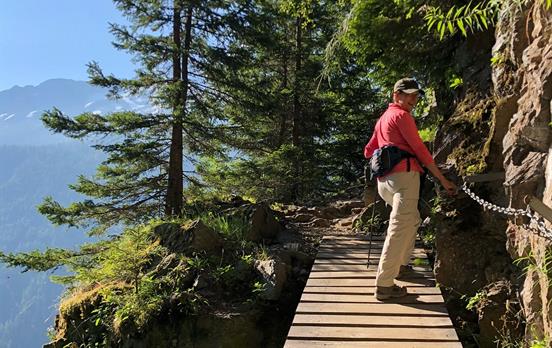
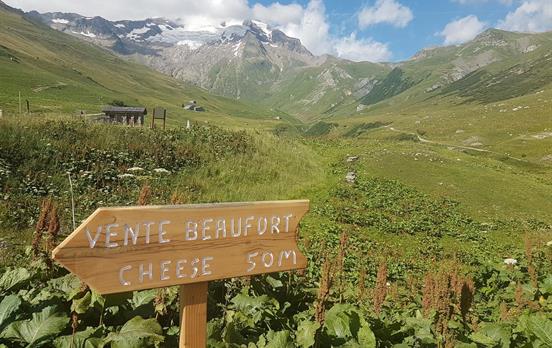
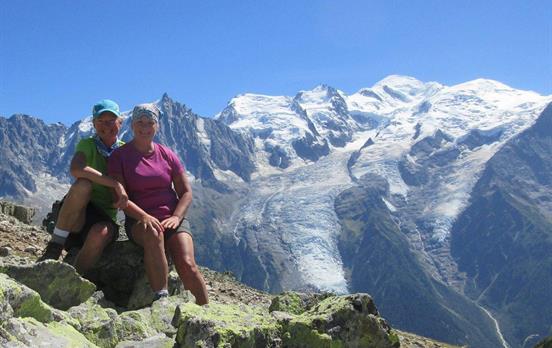
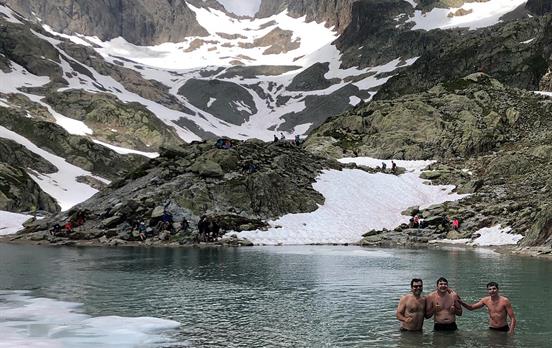
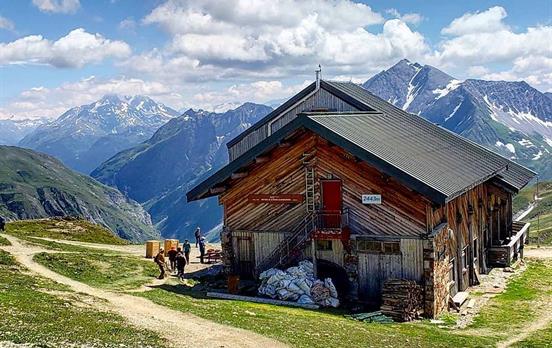
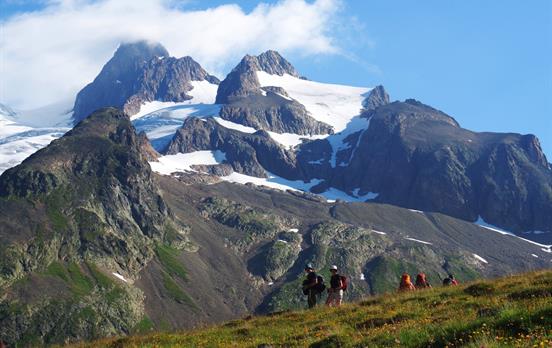
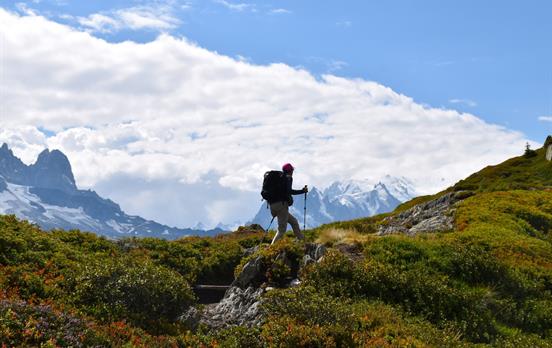
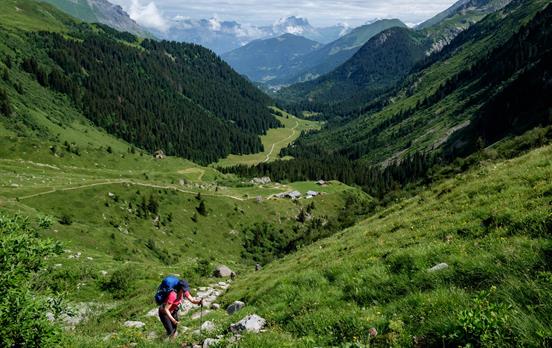
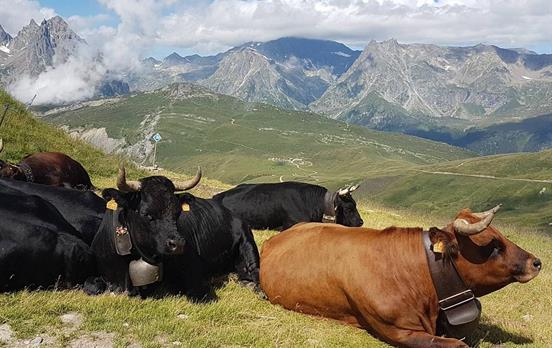
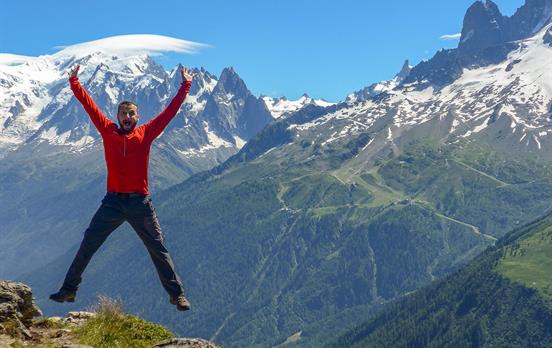
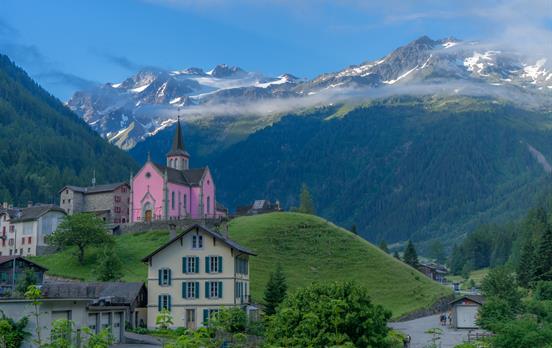
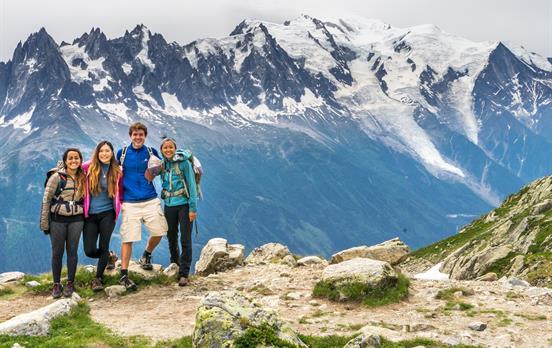
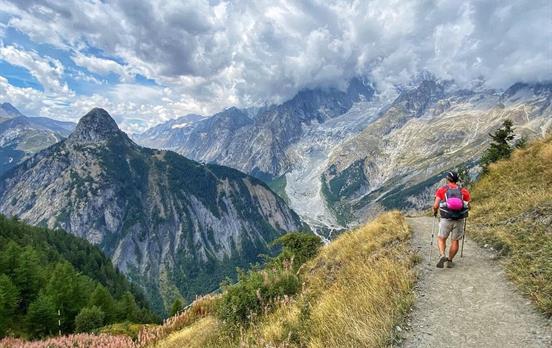
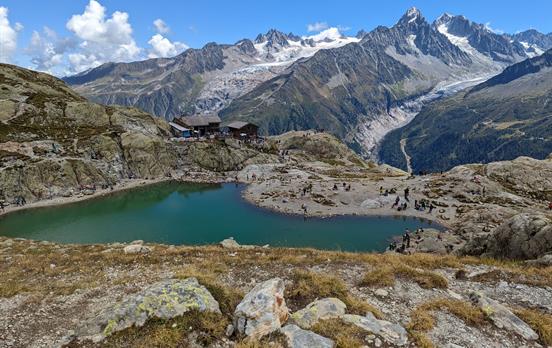
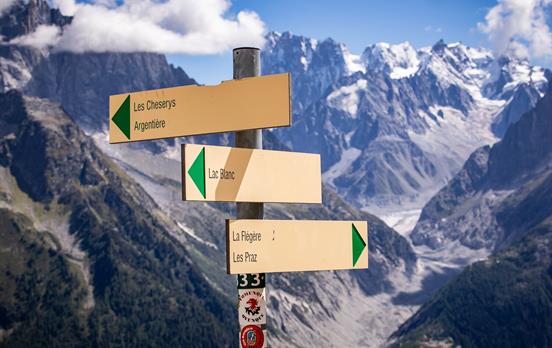
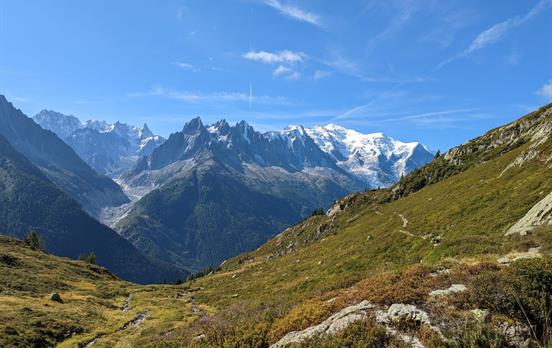
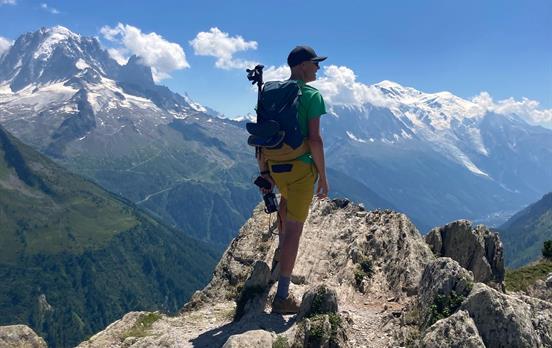
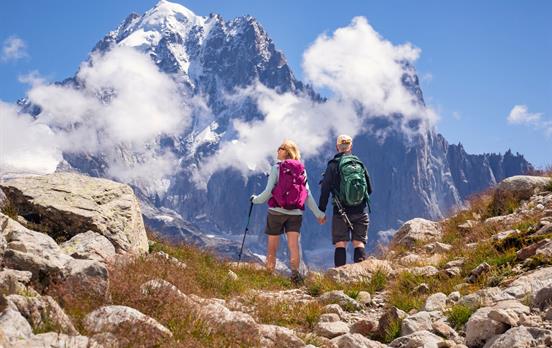
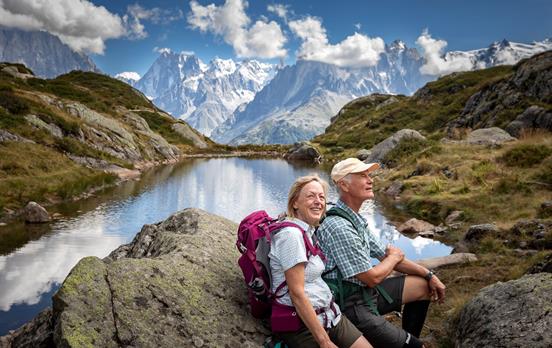
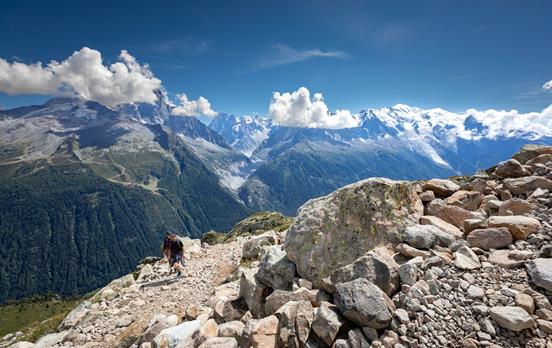
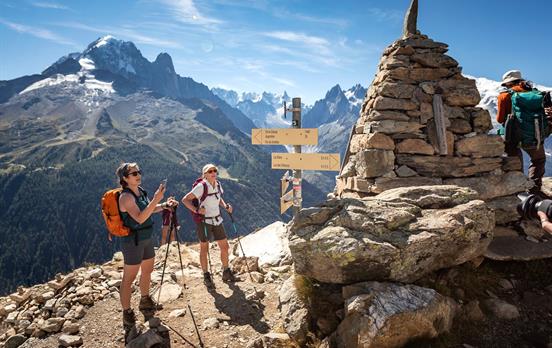
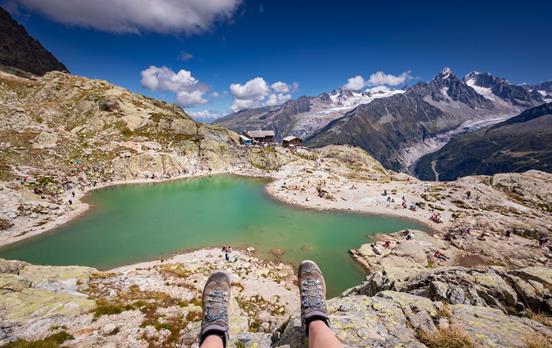
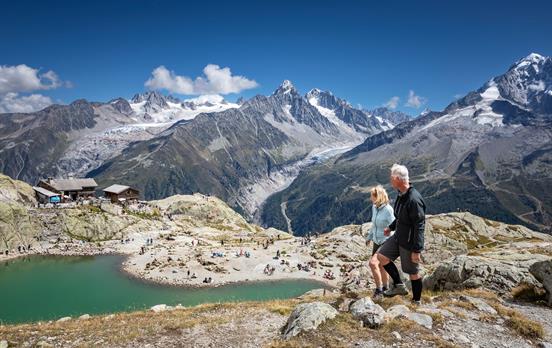
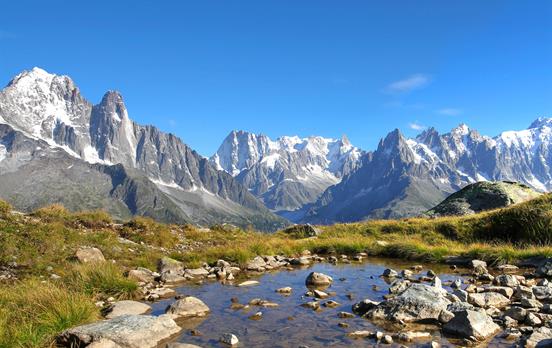
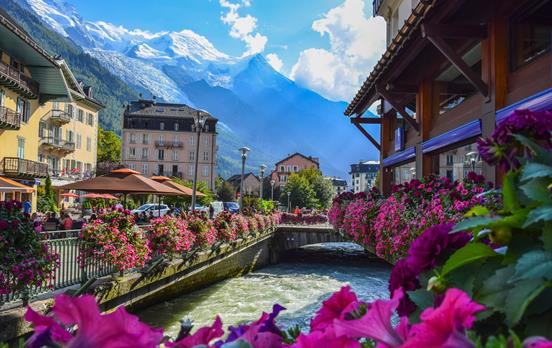
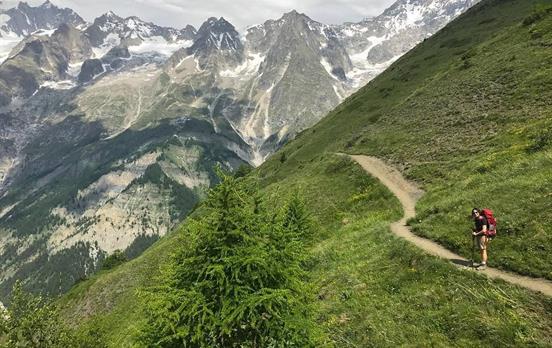
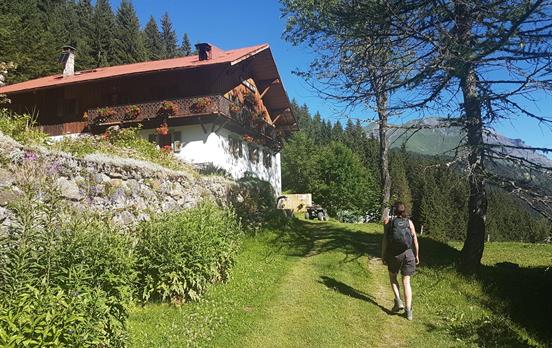
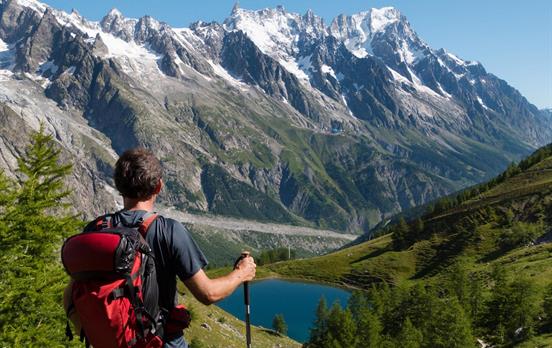
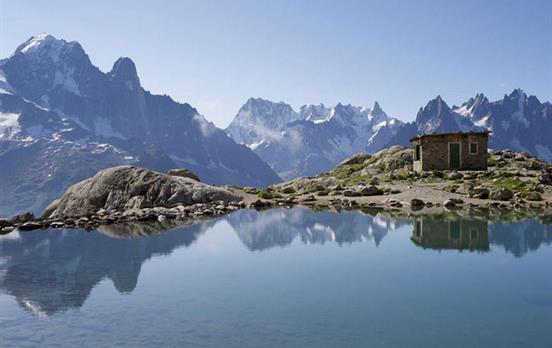
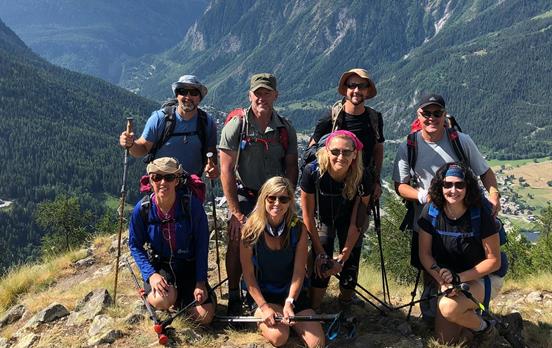
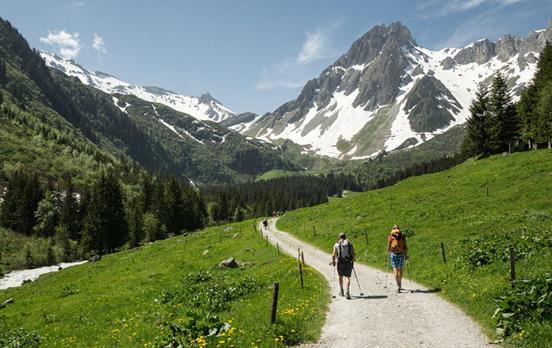
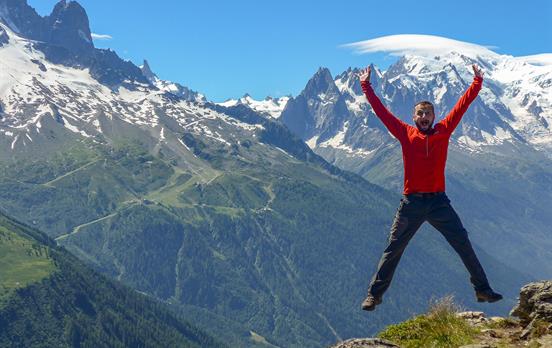
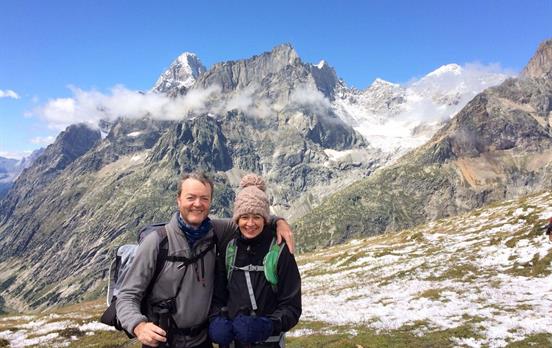
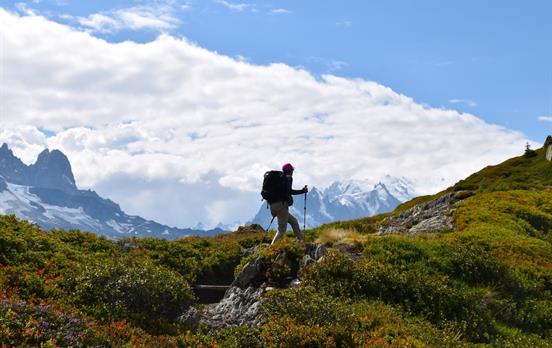
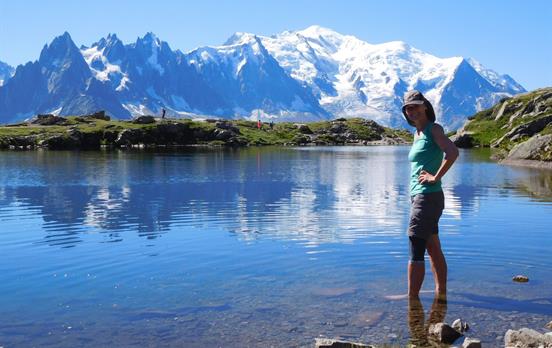
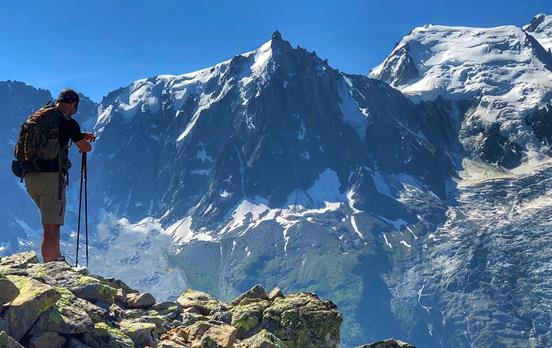
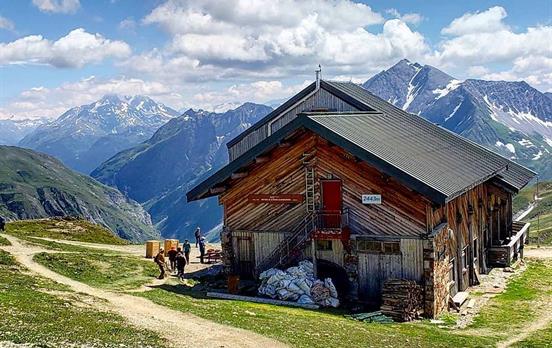
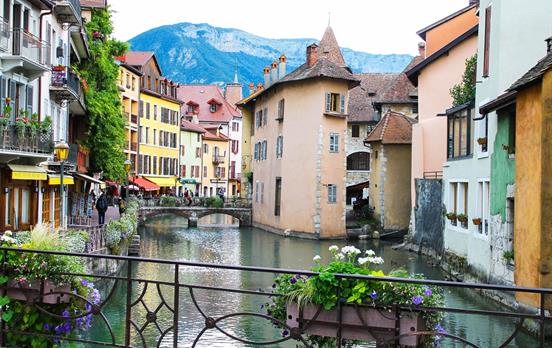
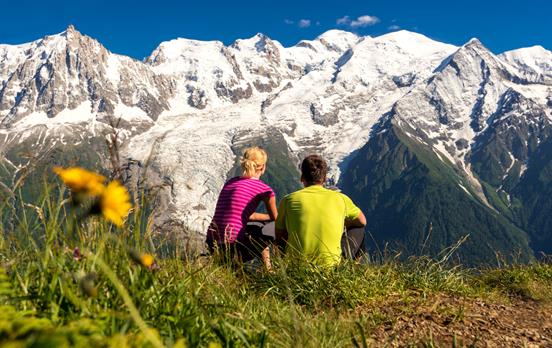
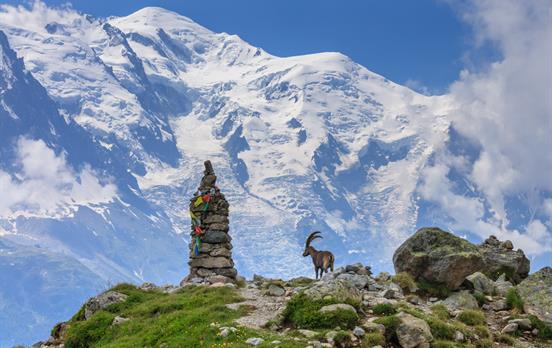
The Alps – Snow-dusted peaks, green valleys, and glacial rivers around Chamonix and Annecy - home to many of the best and most challenging hikes in France, including the Tour du Mont Blanc.
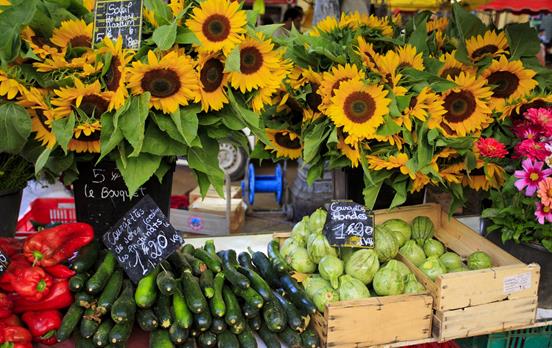
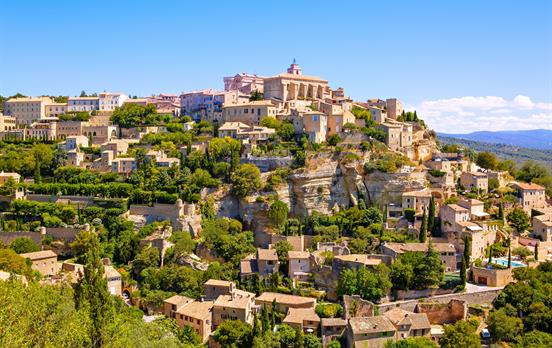
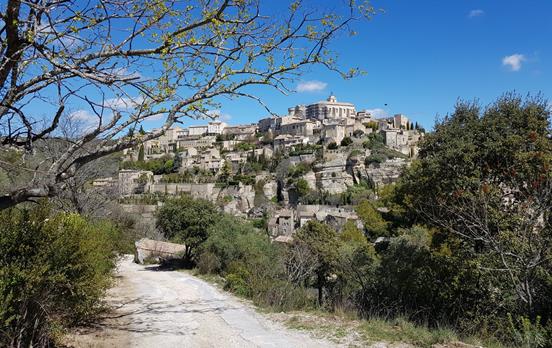
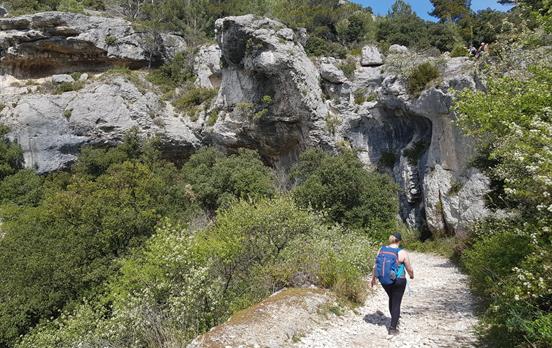
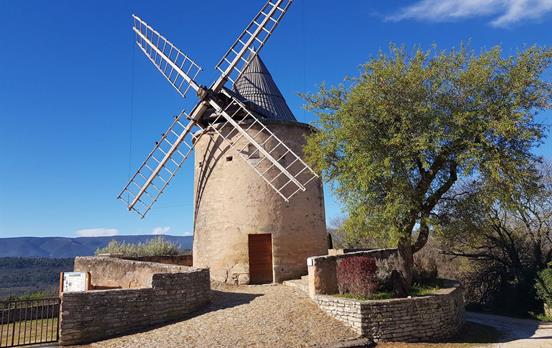
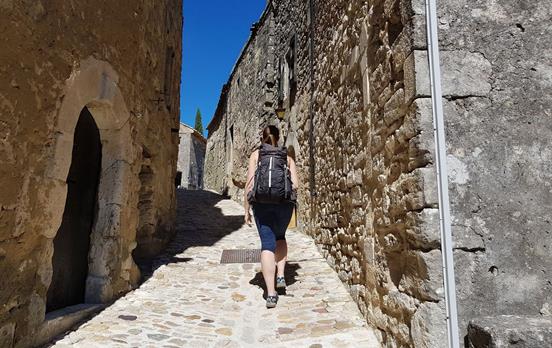
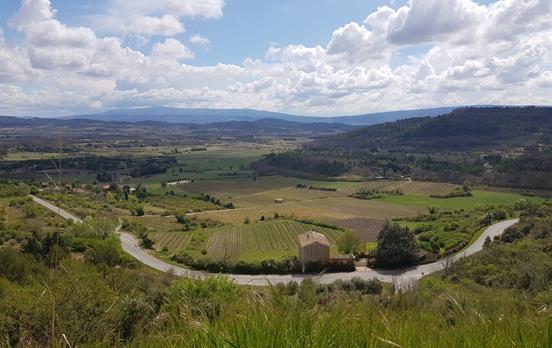
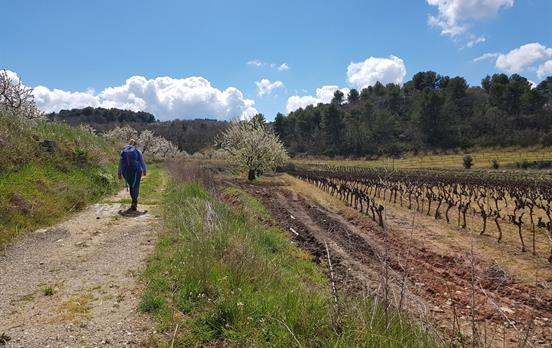
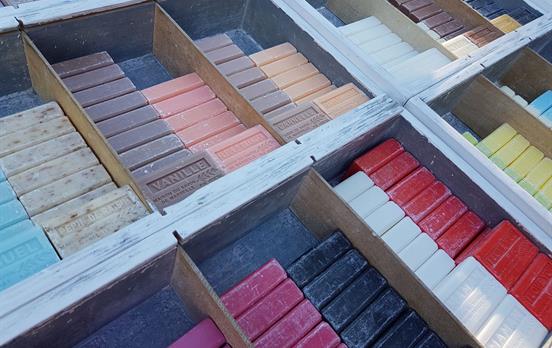
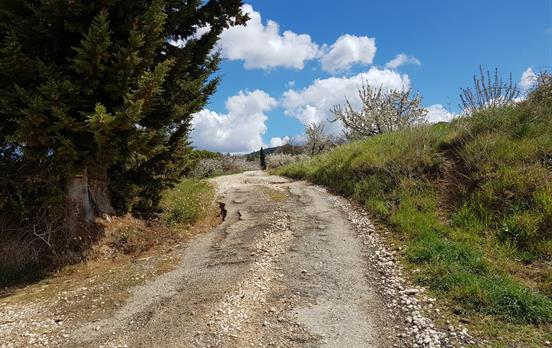
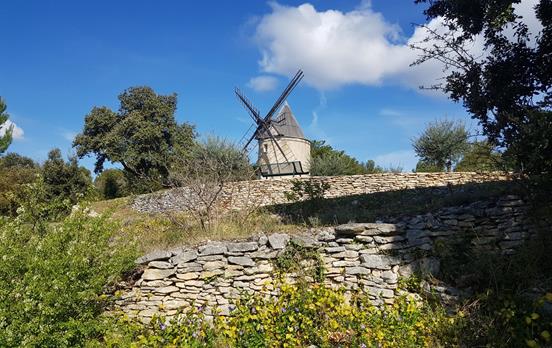
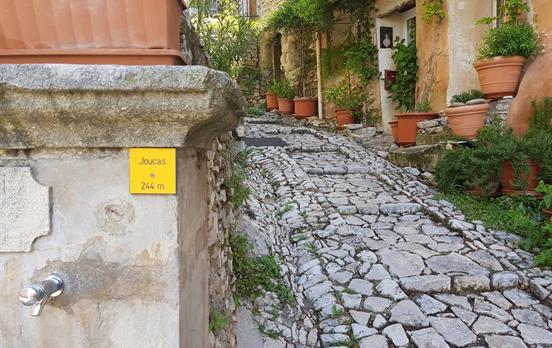
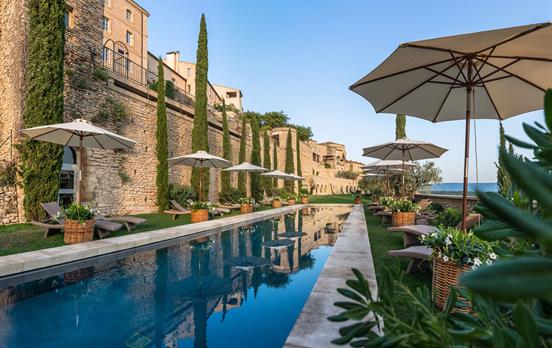
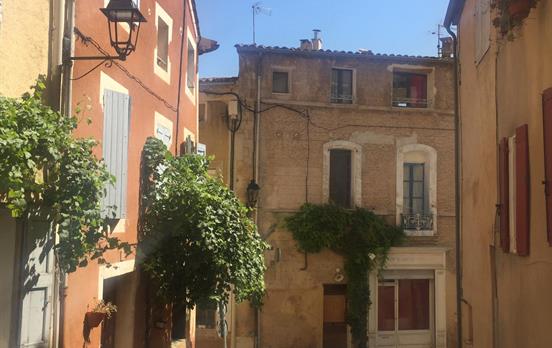
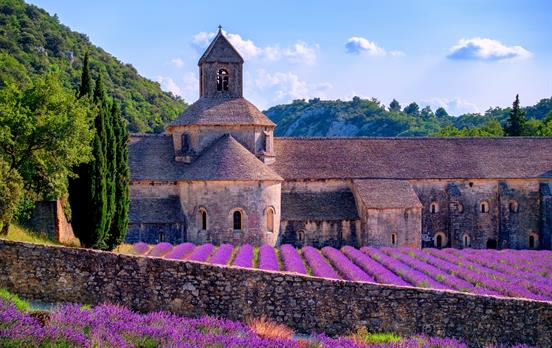
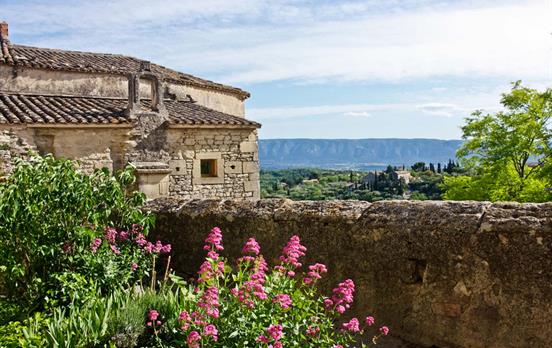
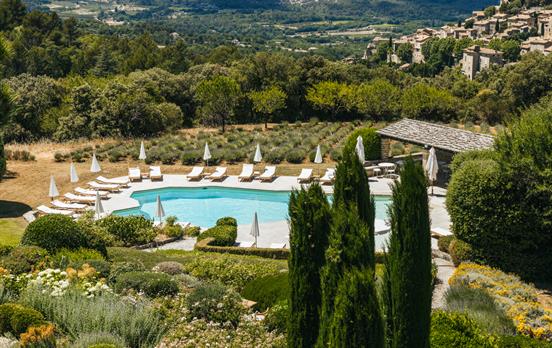
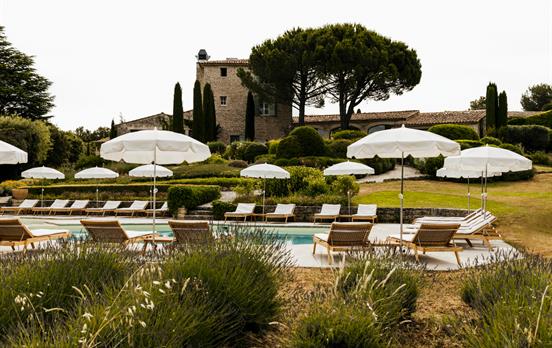
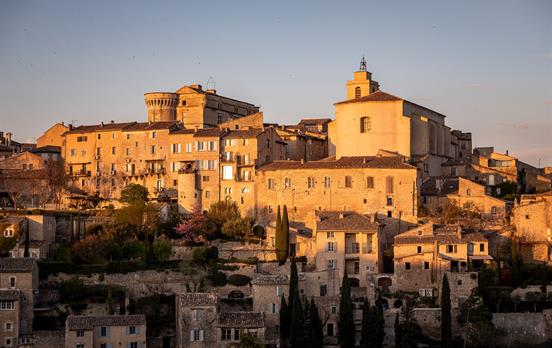
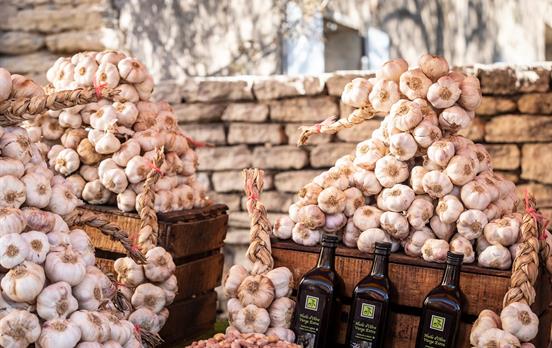
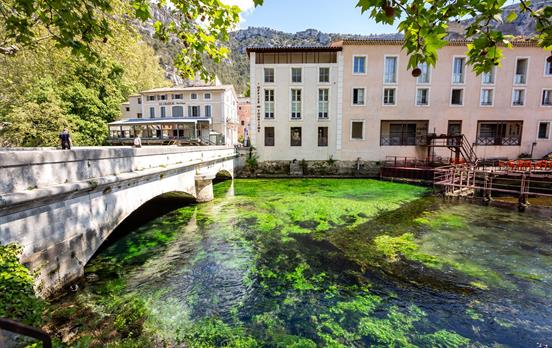
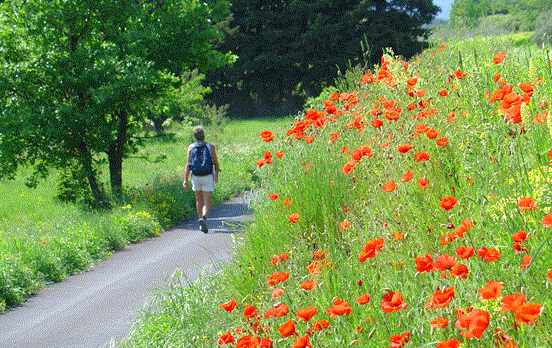
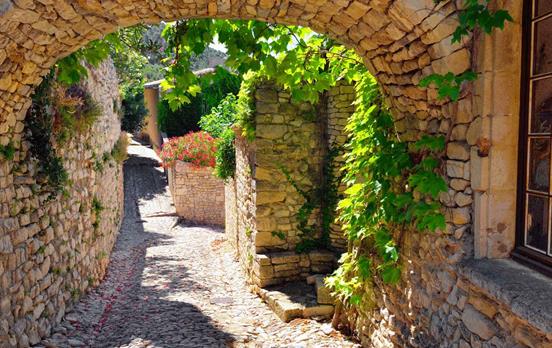
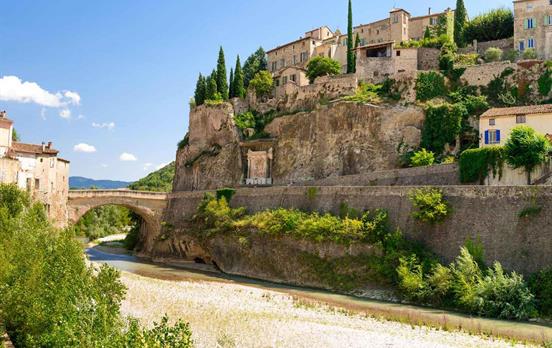
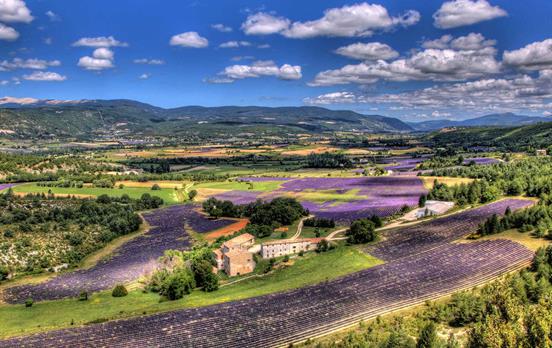
Provence – Ochre cliffs, lavender fields, perched villages, and local markets - you’ll savor slow mornings and golden evenings.
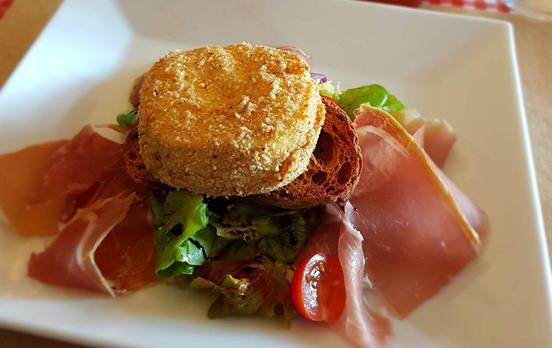
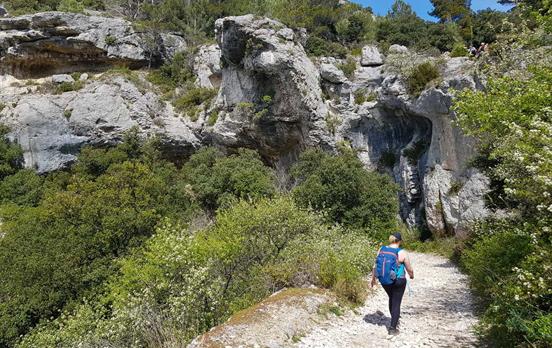
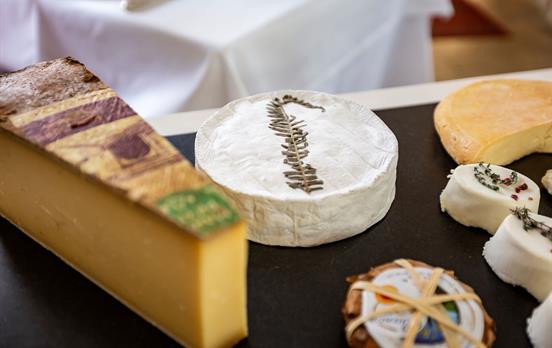
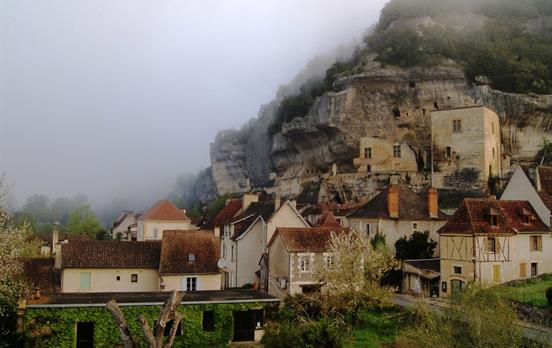
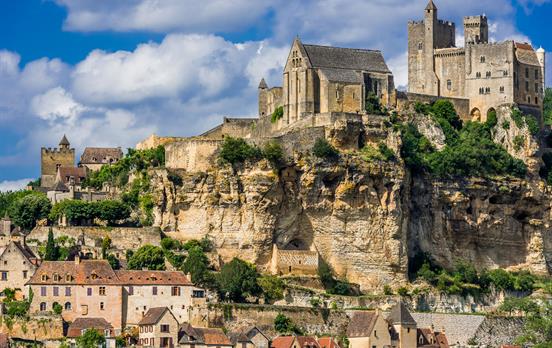
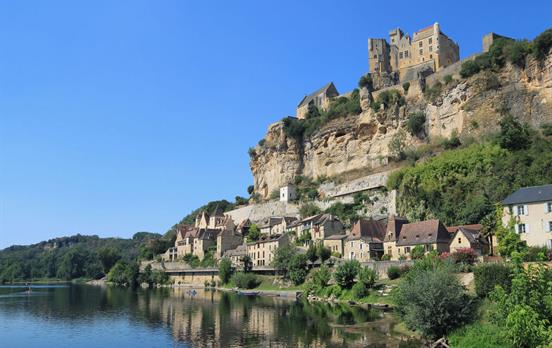
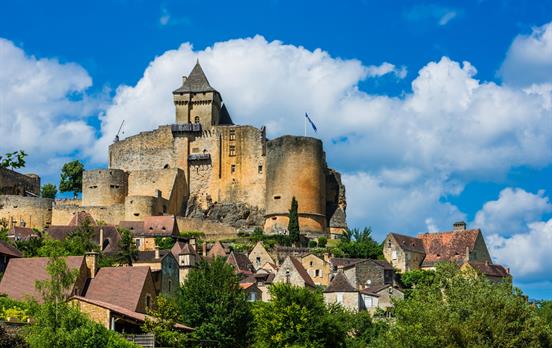
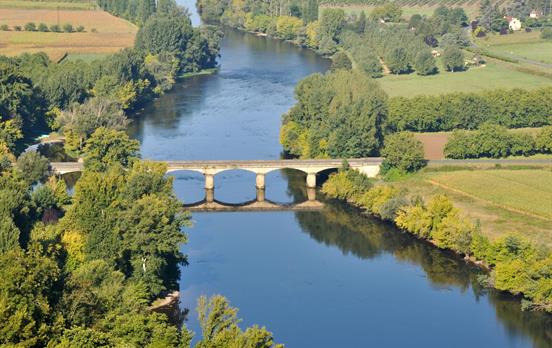
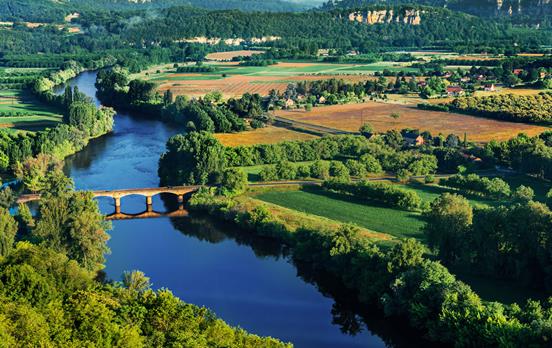
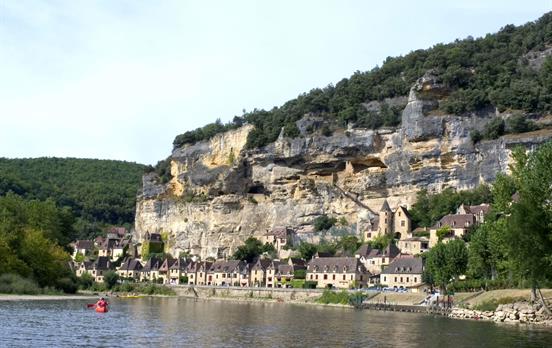
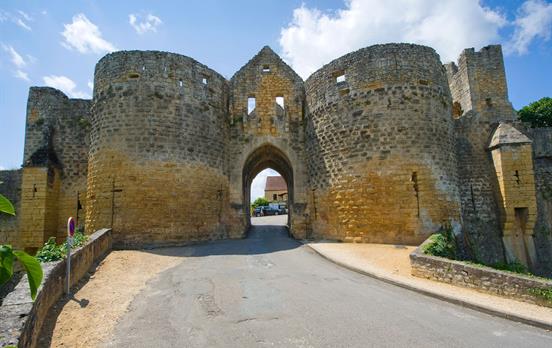
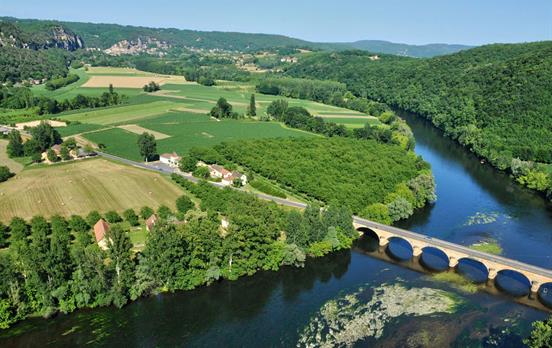
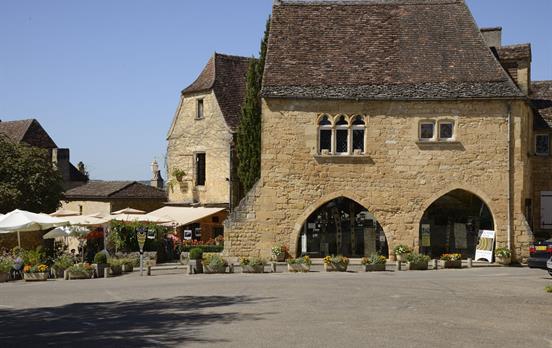
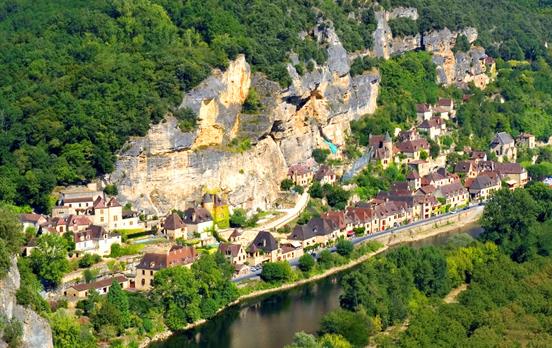
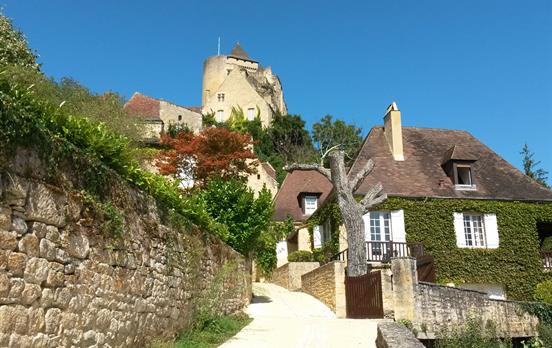
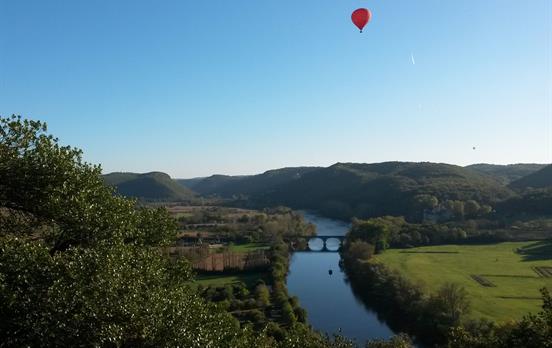
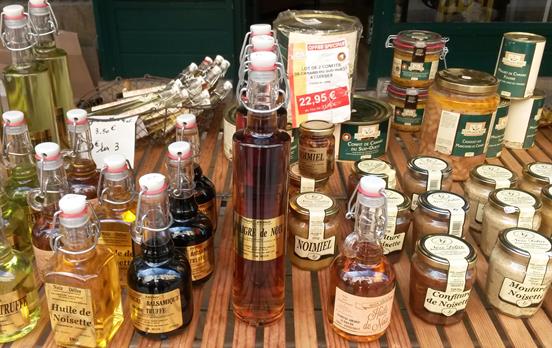
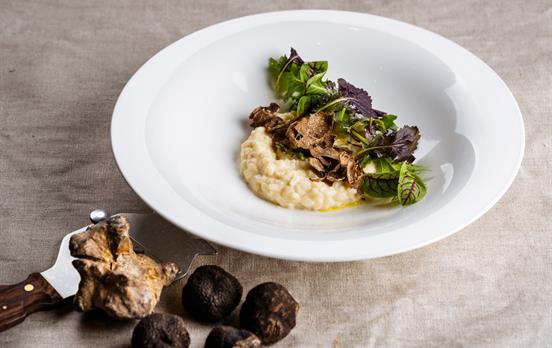
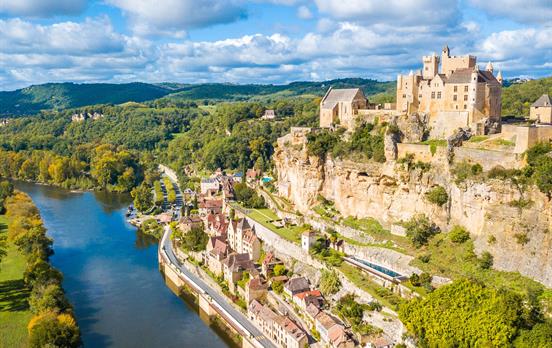
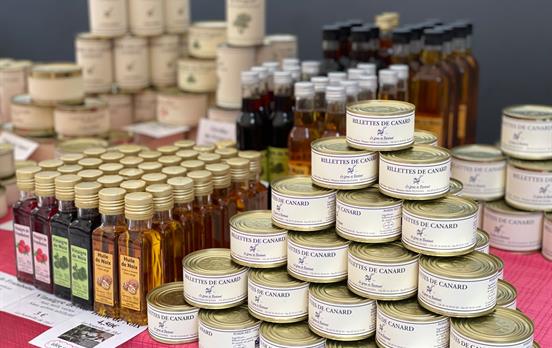
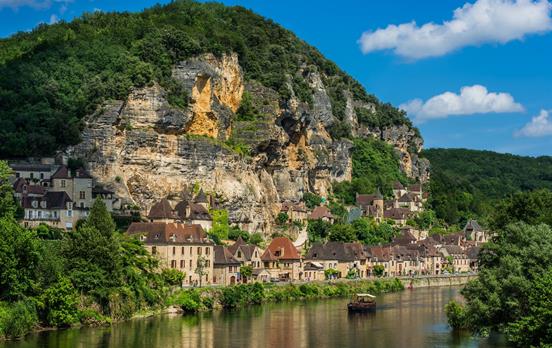
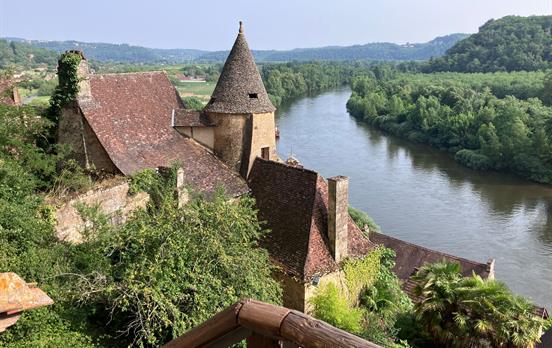
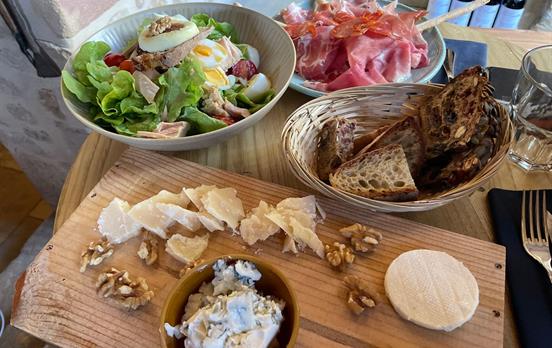
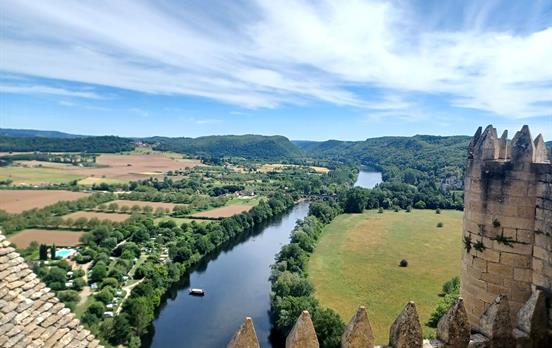
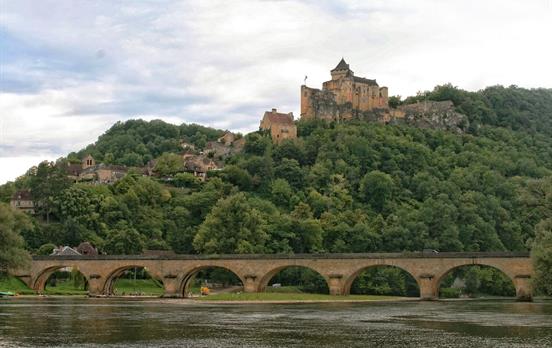
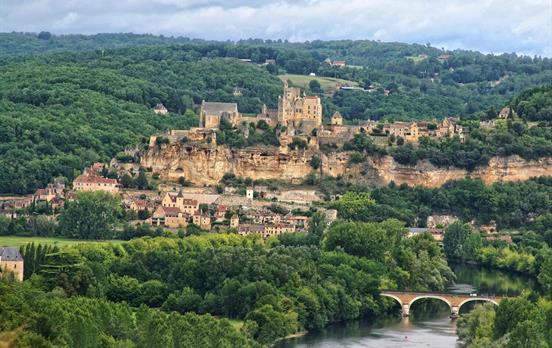
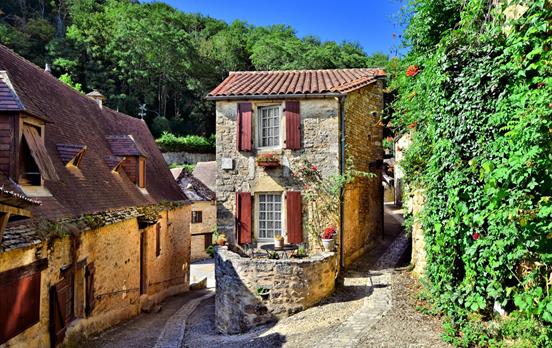
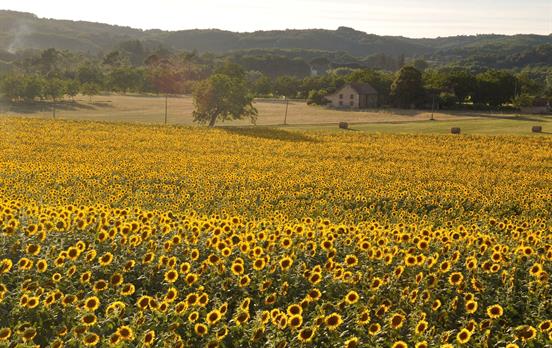
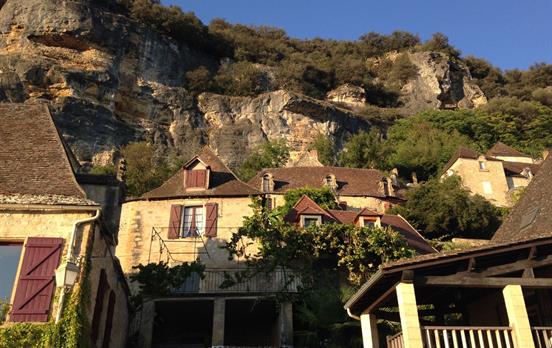
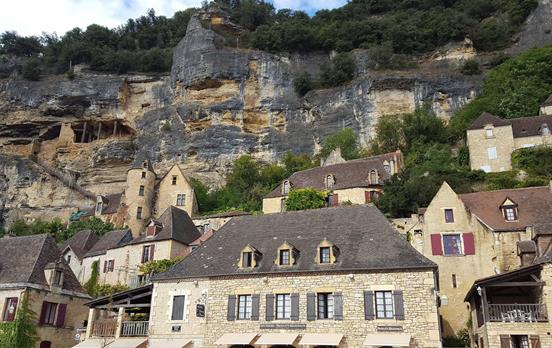
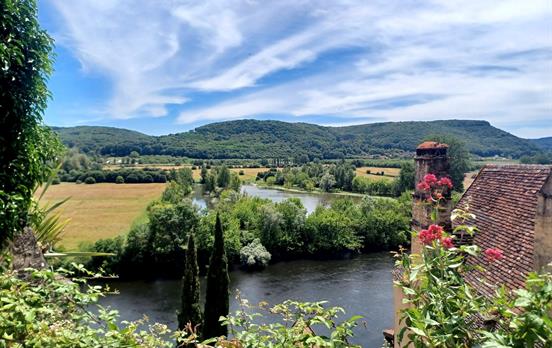
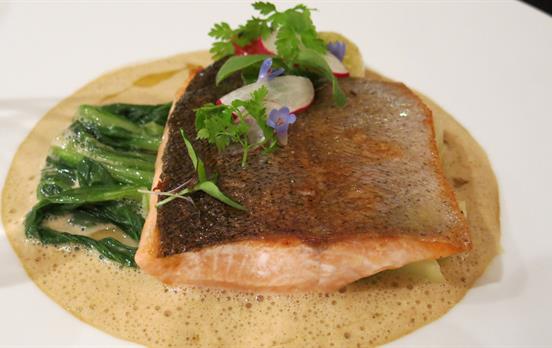
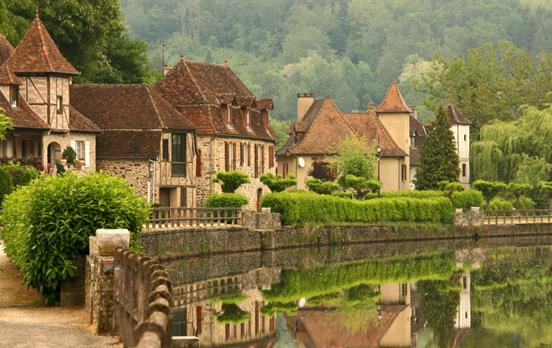
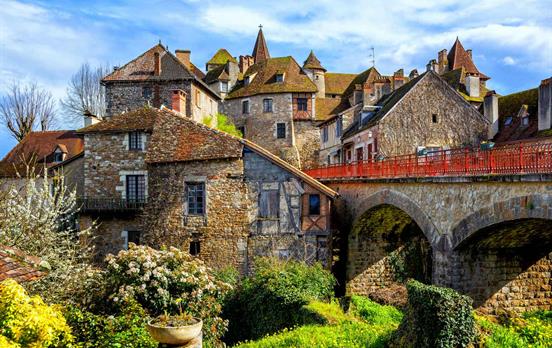
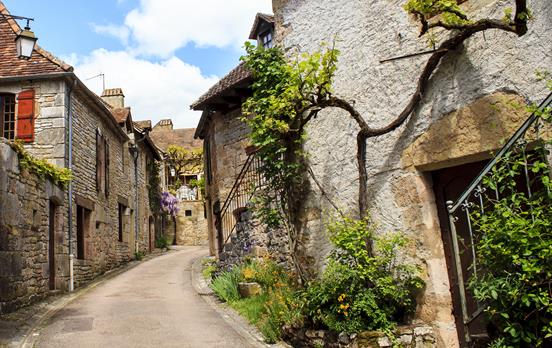
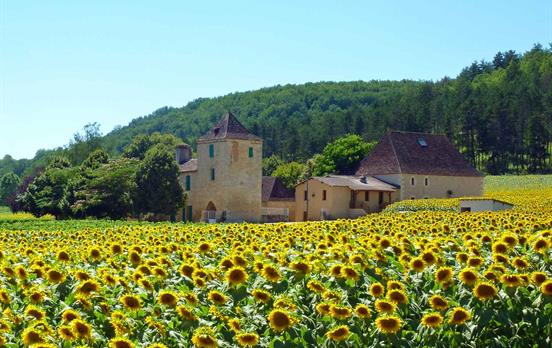
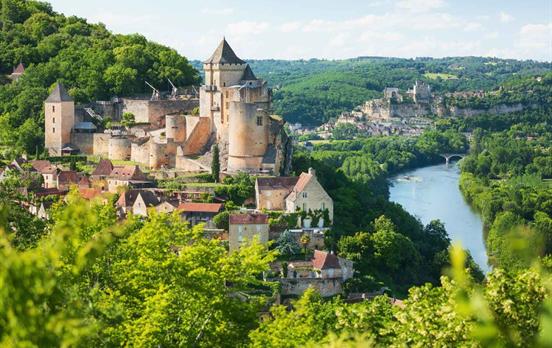
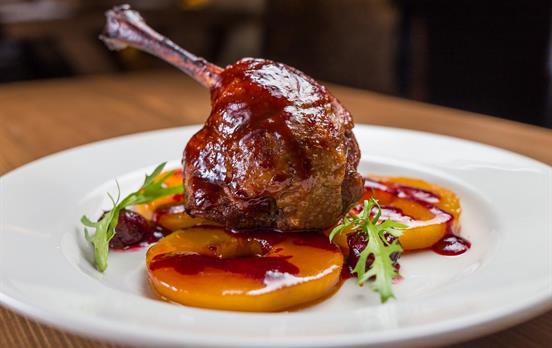
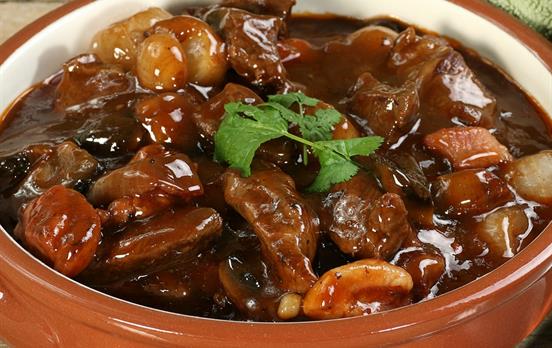
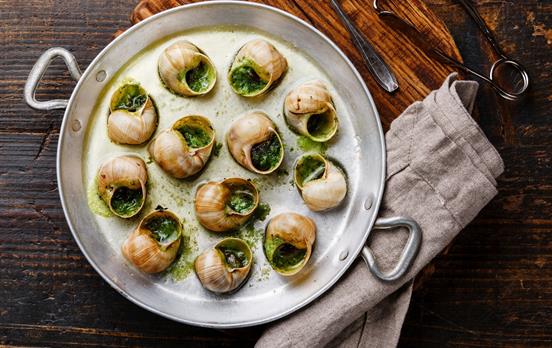
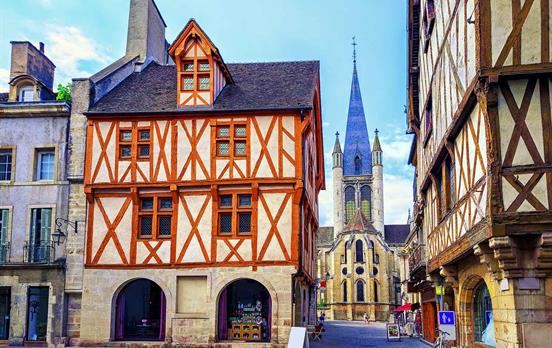
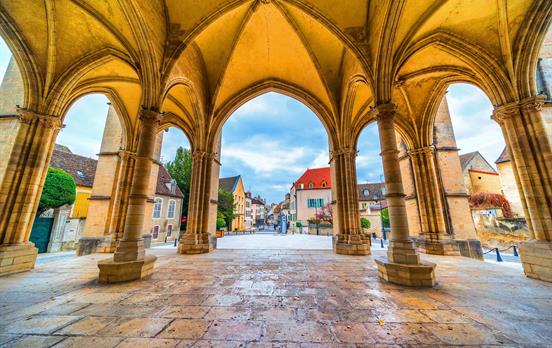
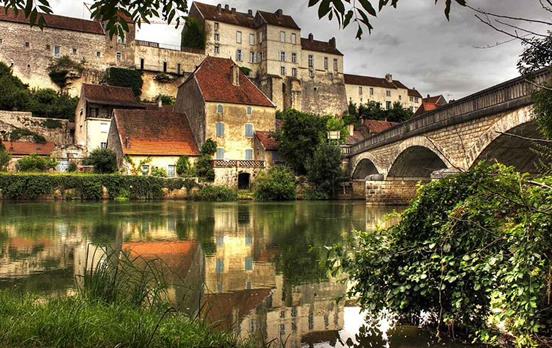
Dordogne – Medieval hill towns, prehistoric cave drawings, river bends, limestone cliffs, and hearty regional dishes (duck confit, walnuts, truffles).
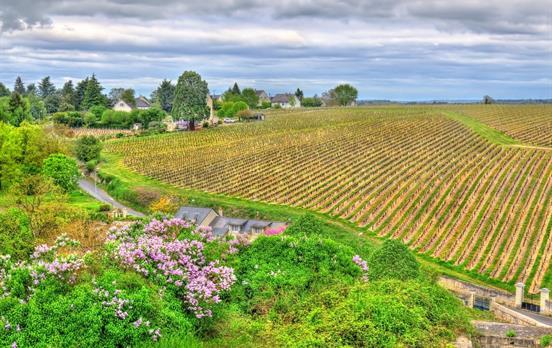
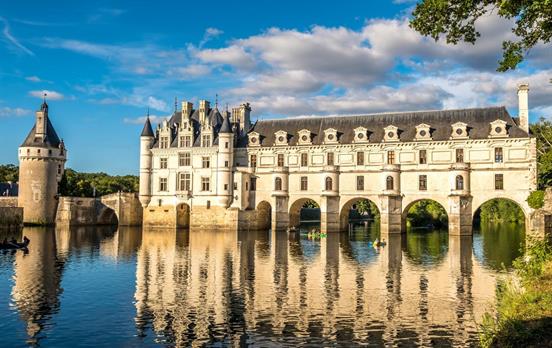
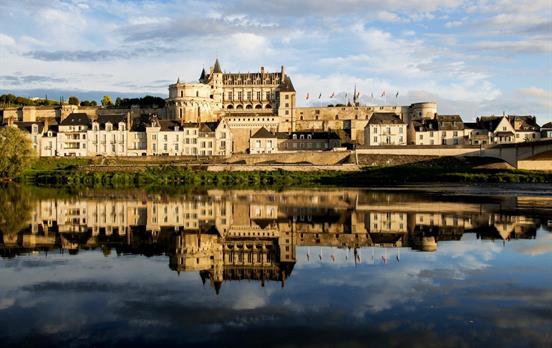
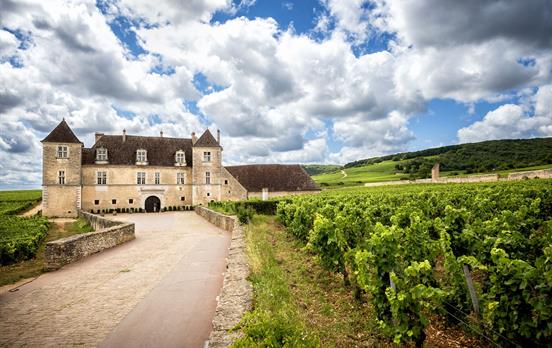
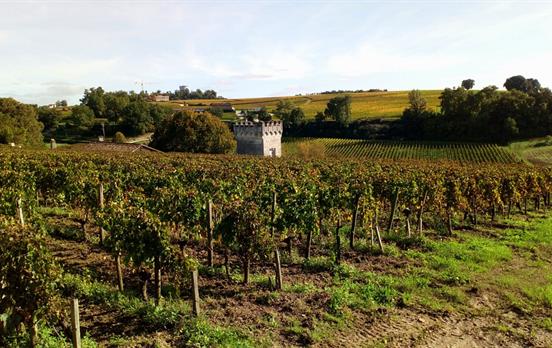
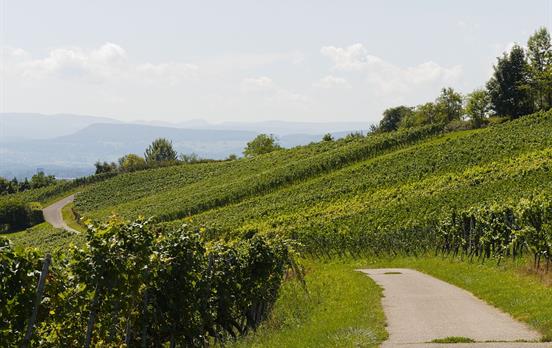
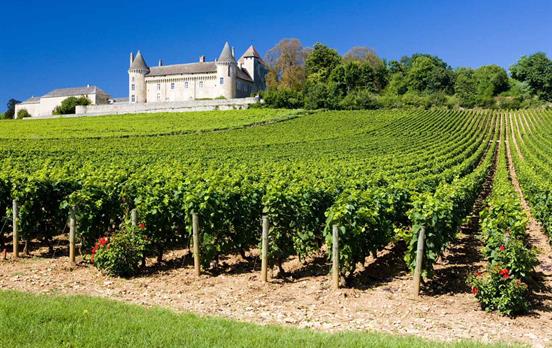
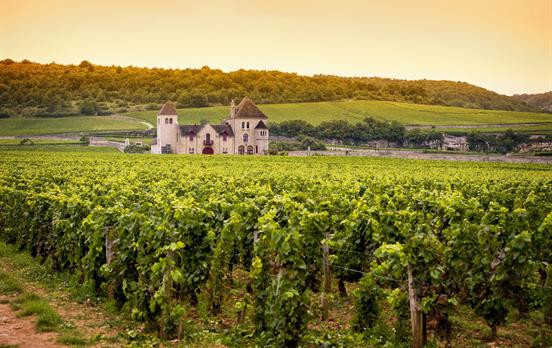
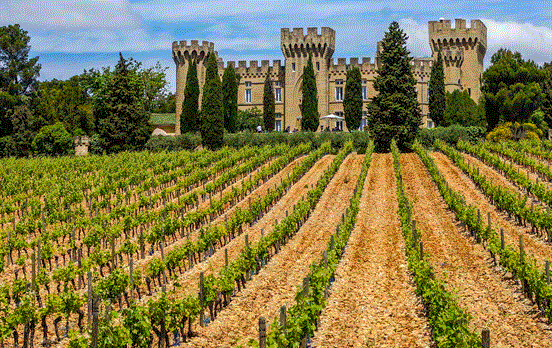
Loire – Rolling vineyards and forest trails linking storybook châteaux - ideal for culture-forward walking tours.
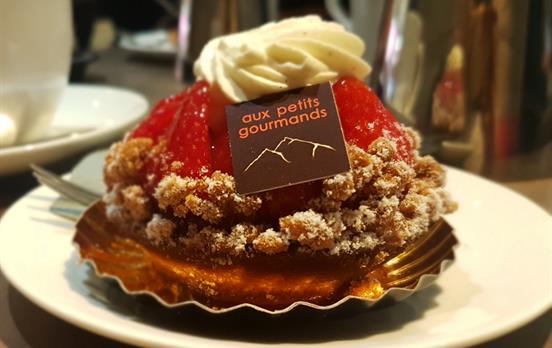
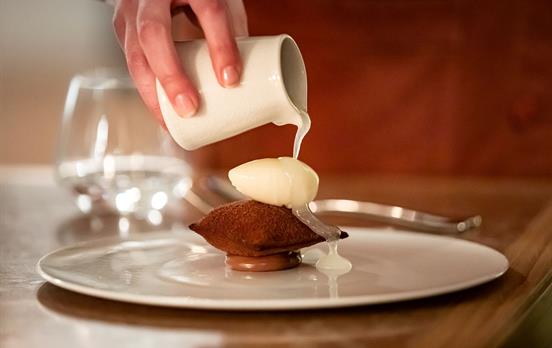
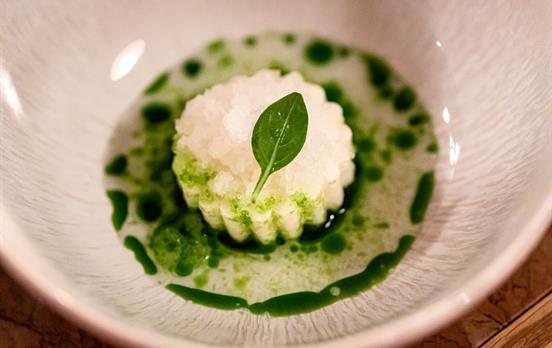
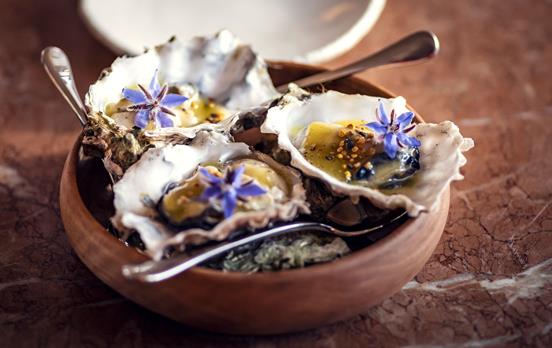
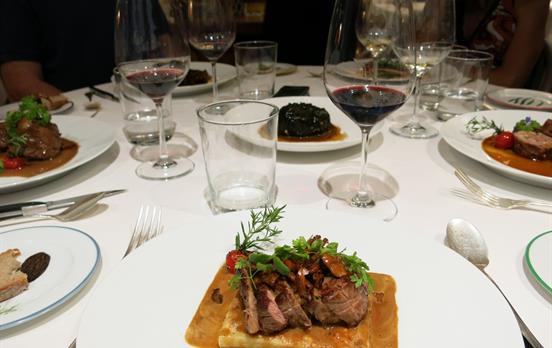
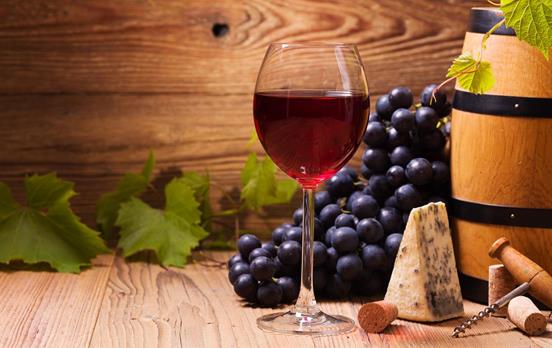
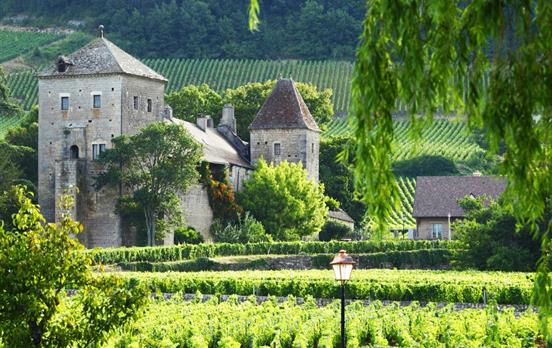
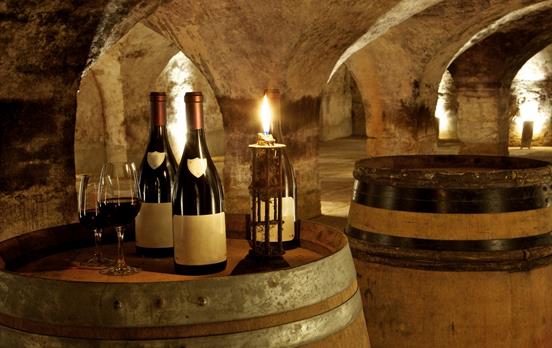
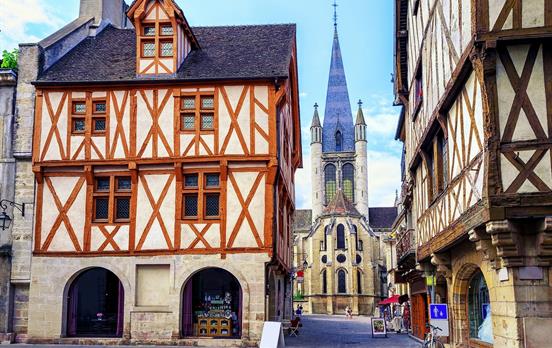
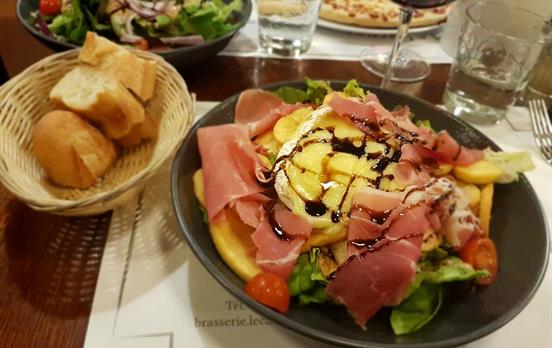
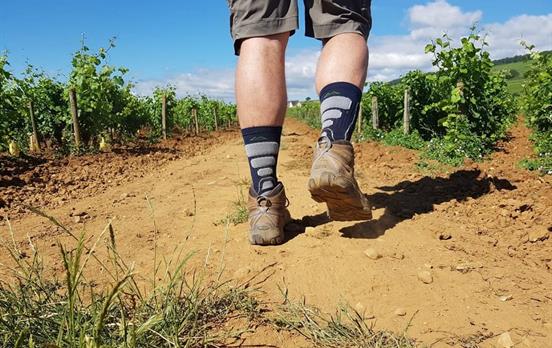
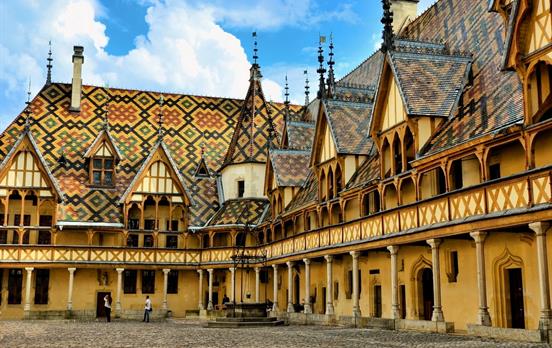
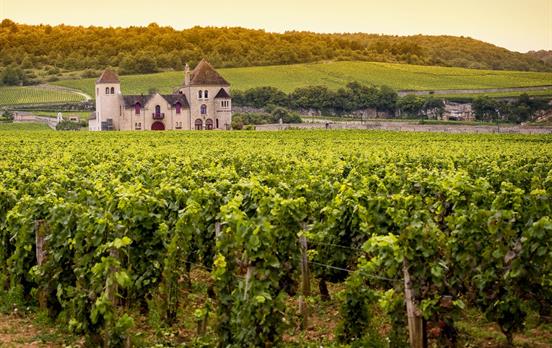
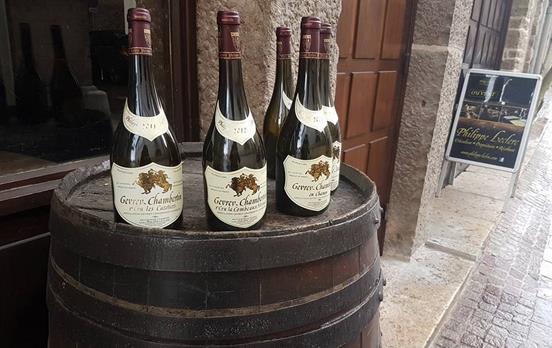
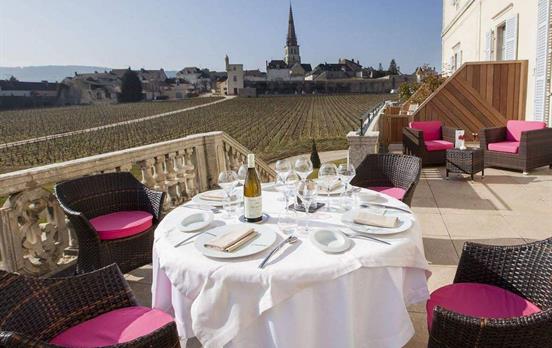
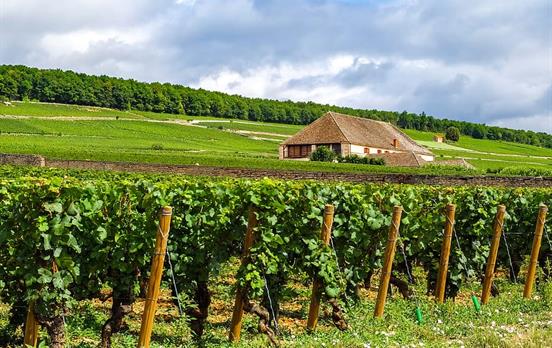
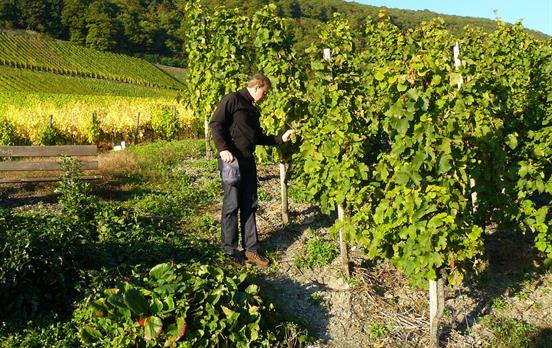
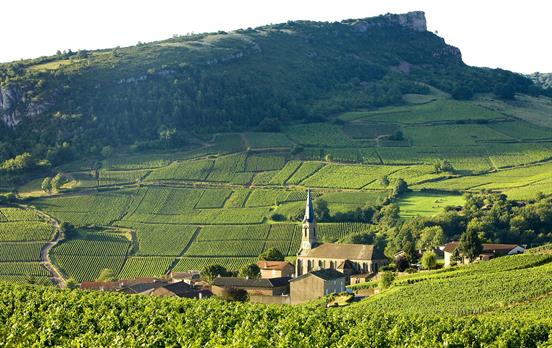
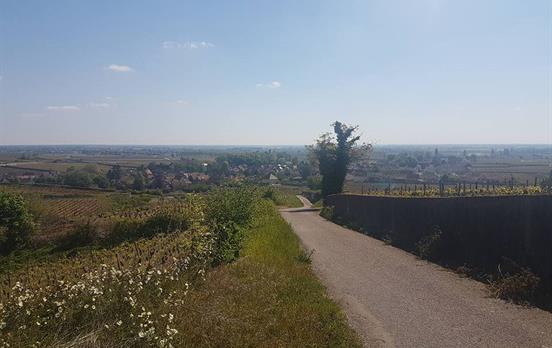
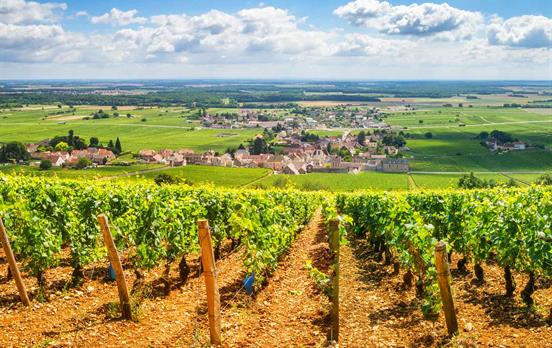
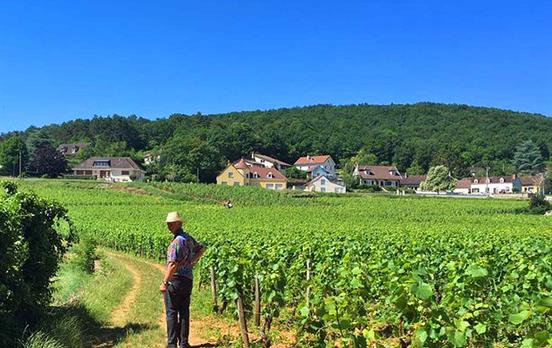
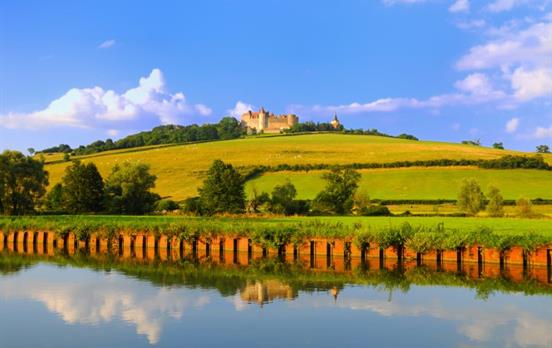
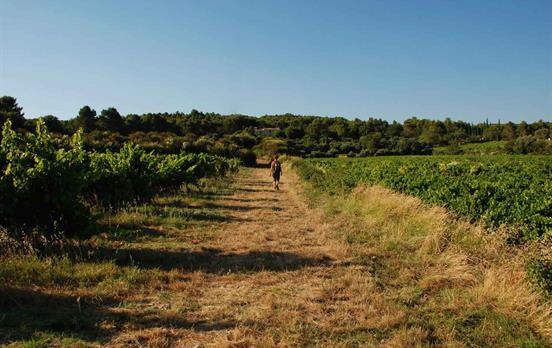
Burgundy – Gastronomy meets world-class wine; wander vine rows and dine in both bistros and Michelin favorites.
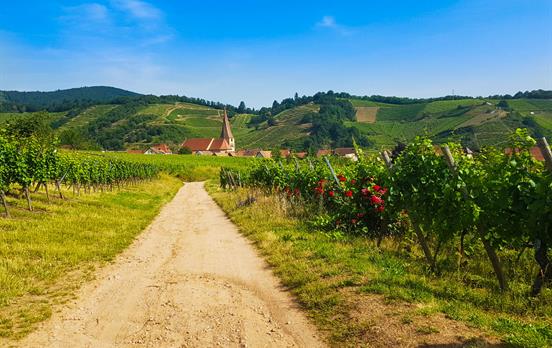
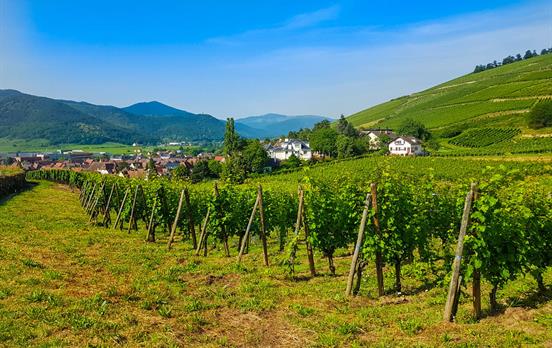
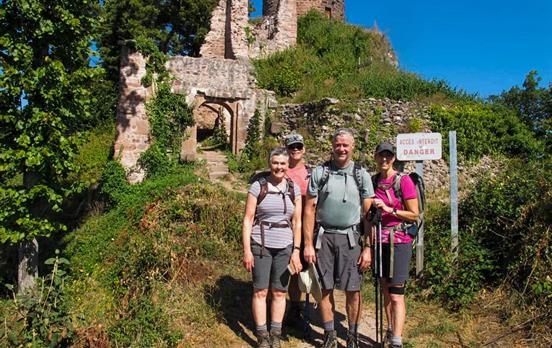
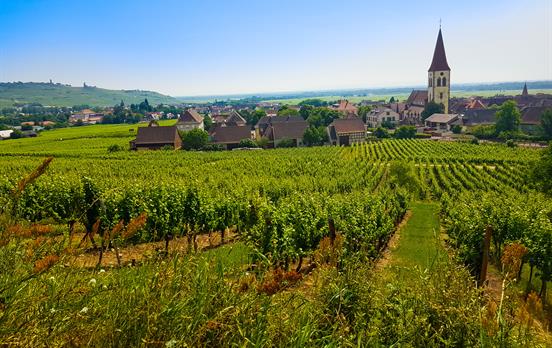
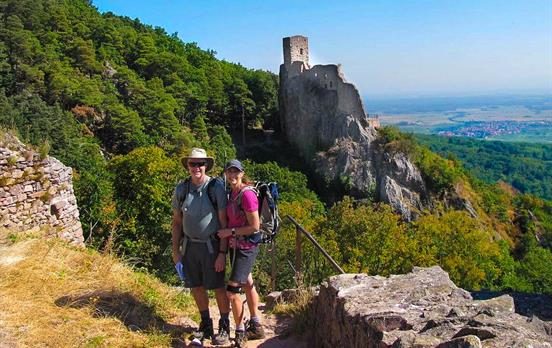
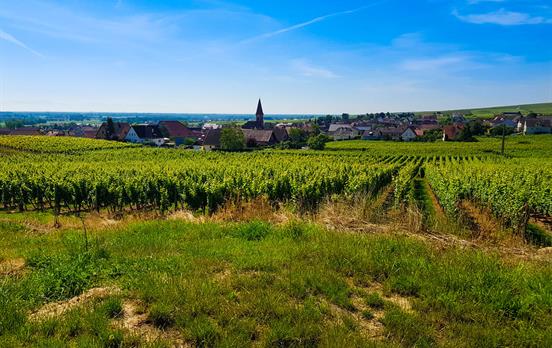
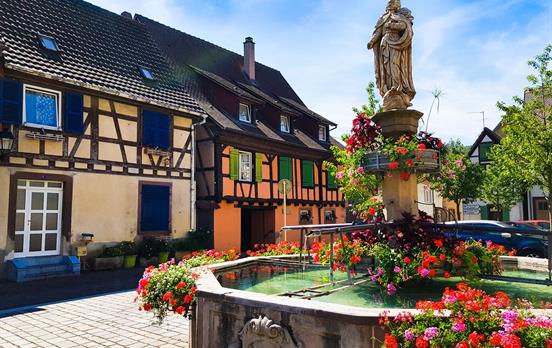
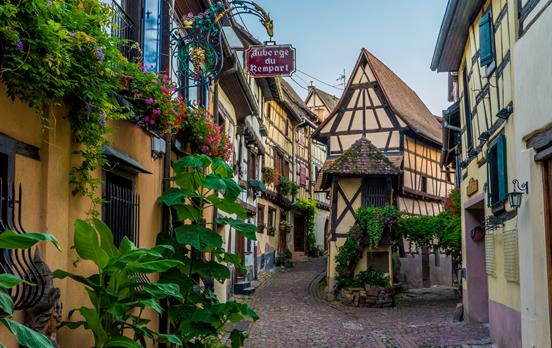
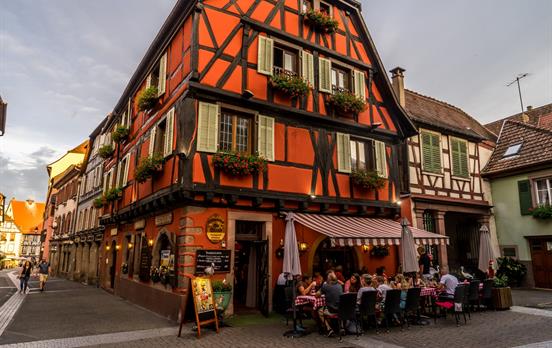
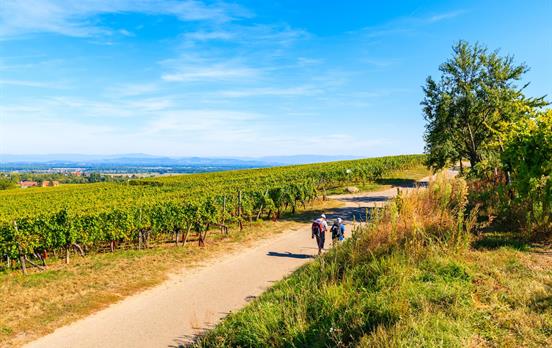
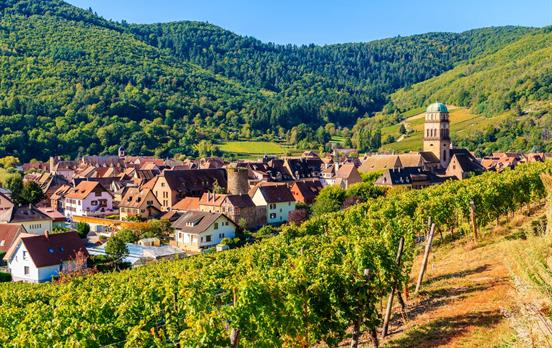
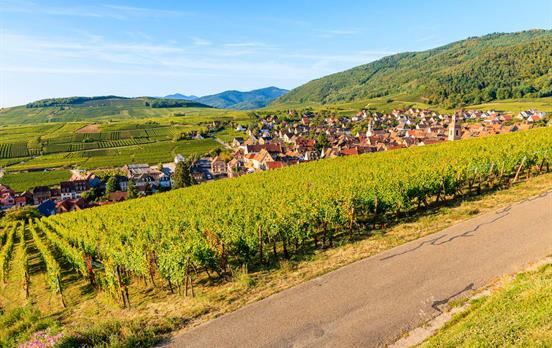
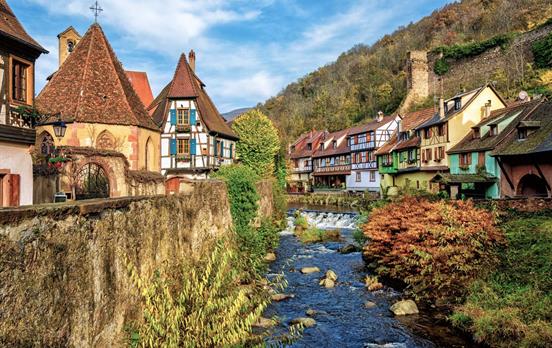
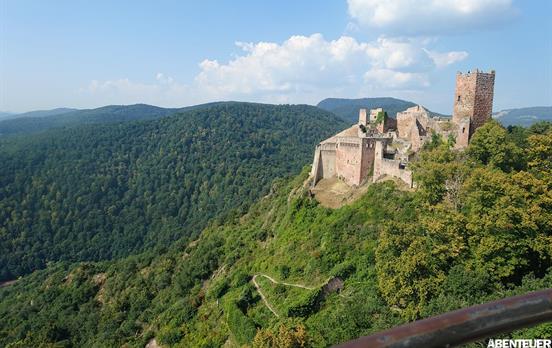
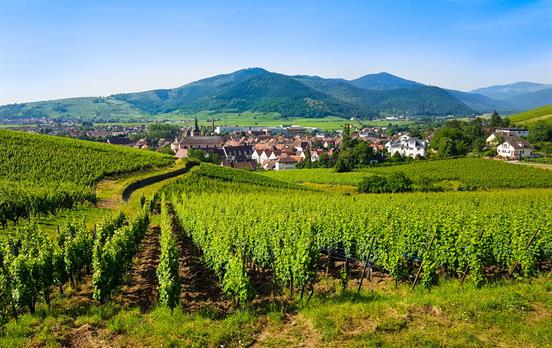
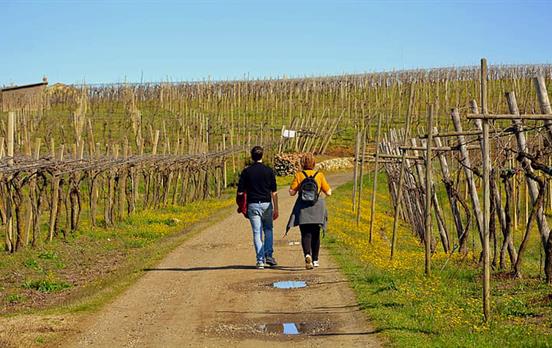
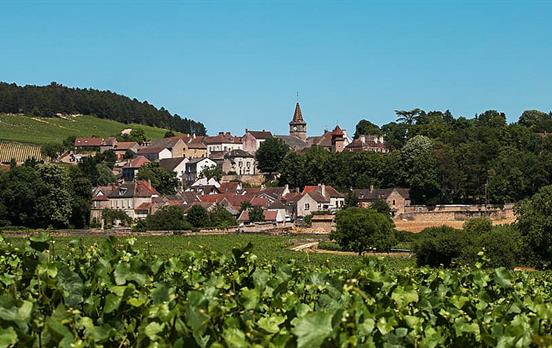
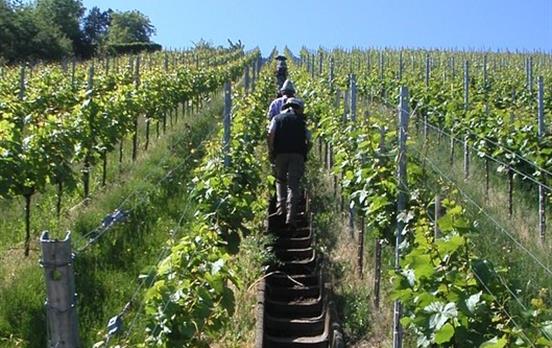
Honorable Mention: Alsace – vineyard paths winding through storybook villages along the oldest Wine Route in France.
![Five Best Regions to walk in France]()
-
Why Choose Macs Adventure for Hiking in France
- Unmatched Expertise – Over 20 years arranging thousands of self-guided walking holidays and hiking trips worldwide.
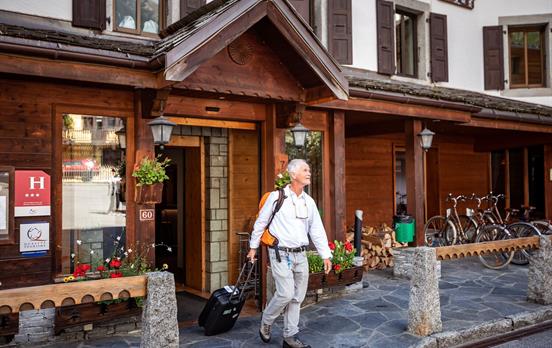
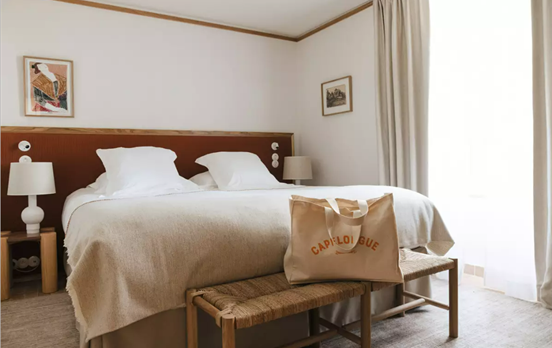
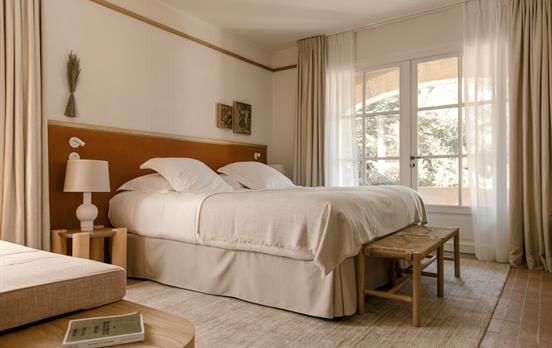
- Handpicked Accommodations – Charming B&Bs, guesthouses, and small hotels chosen for comfort and character.
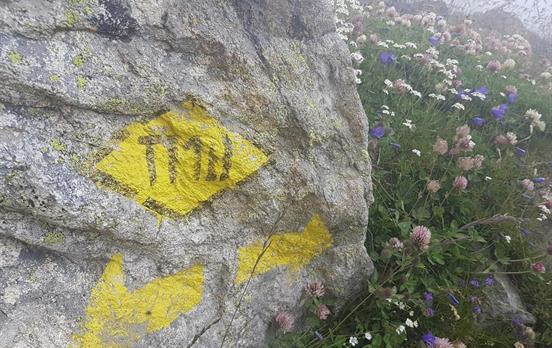
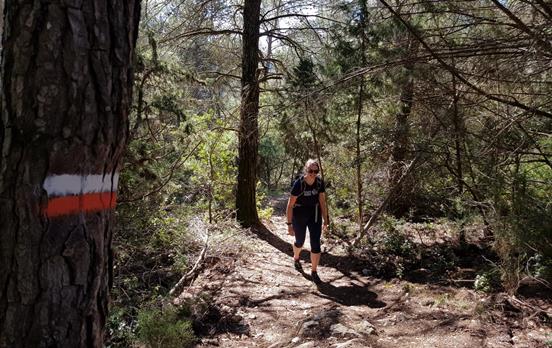
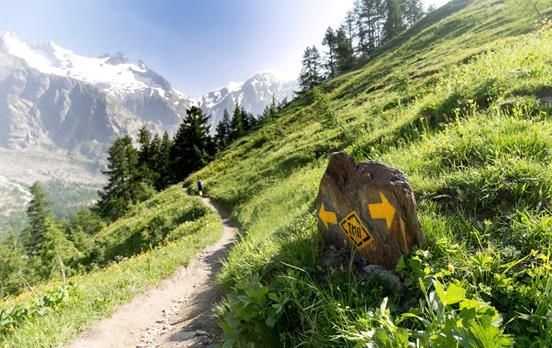
- Hassle-Free Travel – We handle logistics end to end: luggage transfers to each lodging (so you just carry your day pack), waymarked routes, and detailed daily notes in our award-winning app.
- Travel at Your Pace – Pick your dates and itinerary; start each day early or sleep in, it's up to you.
- Local Insights – Insider tips on must-see stops, hidden viewpoints, and favorite food spots.
Active travel led by you. Seamless journeys, expertly delivered.
We partner with family-run lodgings and local transfer teams, and we score trips for carbon impact. Most itineraries fall into our lowest carbon category; your booking directly supports the communities you visit. Ready to start planning?
![Why Choose Macs Adventure for Hiking in France]()
-
When is the Best Time to Visit France?
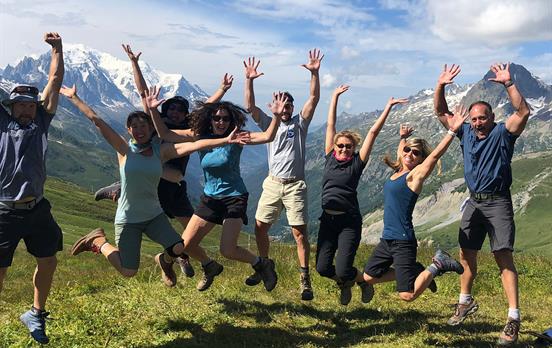
Alps & Pyrenees (July–September): Prime hiking season once snow clears and huts/hotels are fully open.
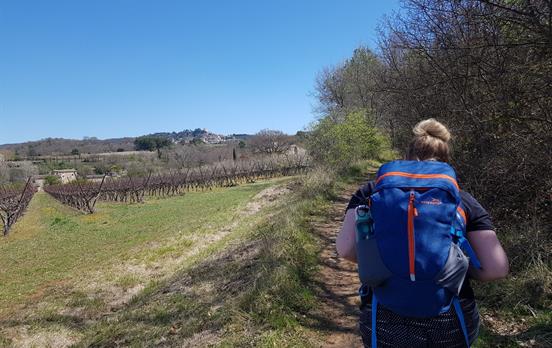
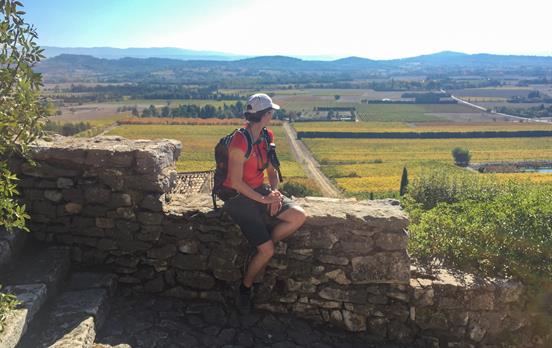
Provence (April–June, September–October): Warm days, cooler nights, and fewer crowds—great for vineyard and village walking.
Loire & Burgundy (May–June, September–October): Pleasant temps for château and vineyard routes; harvest adds a festive buzz.
Dordogne (May–June, September–October): Mild temperatures, lush river valleys, and quieter trails—ideal for village-to-village hiking.
Alsace (June–September): Sunny days and dry paths through vineyards and half-timbered towns; harvest season adds extra charm.
Top tip: The Tour du Mont Blanc is extremely popular—secure your preferred dates as early as you can.
![When is the Best Time to Visit France?]()
-
How do I get to France? How do I get around in France?
Since you’re visiting smaller French towns & villages, you will likely use a bus or train to reach the trip’s starting point. See each tour’s Getting To & From info for best gateway cities for international flights & links to train & bus info.
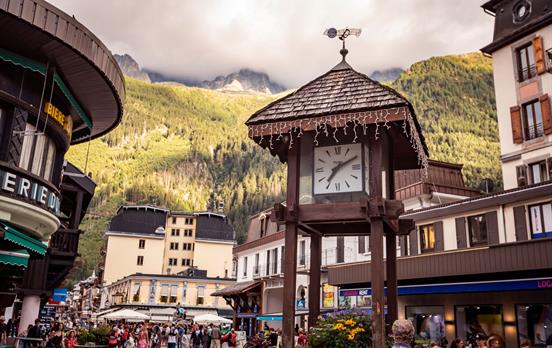
- Airports: Paris (CDG/ORY) connects well to Chamonix (via Geneva), Provence (via TGV), Loire (TGV), and Dordogne (regional rail).
- Rail: France’s TGV and regional TER trains make pre/post connections easy; we’ll advise on the smoothest route for your itinerary.
- Optional Taxi Transfers: Macs can book private arrival/departure transfers from several towns/train stations & airports for an additional fee.
- Bags: We include luggage transfers between overnight stops so you can hike light.
![How do I get to France? How do I get around in France?]()
-
Where is the best place to hike in France?
"Best" depends on you - your interests, your ability, and the amount of time you have. We've included some ideas below.
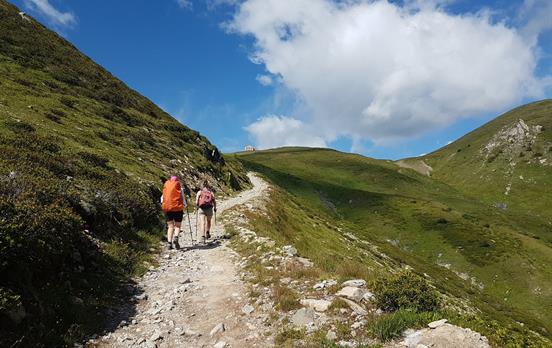
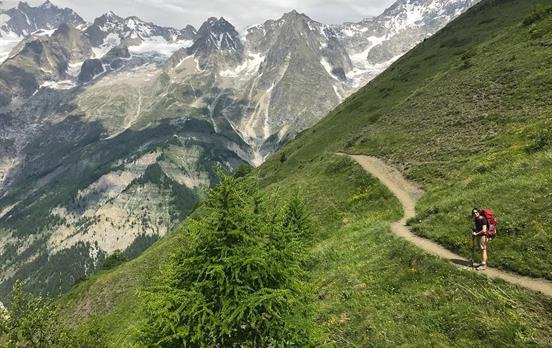
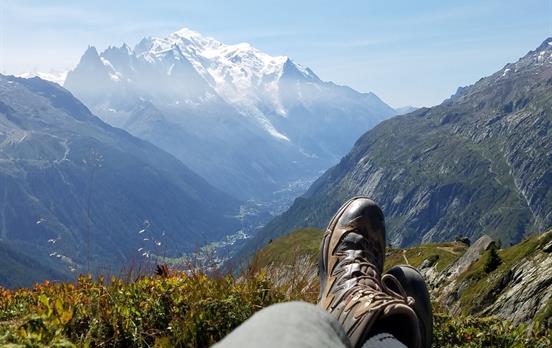
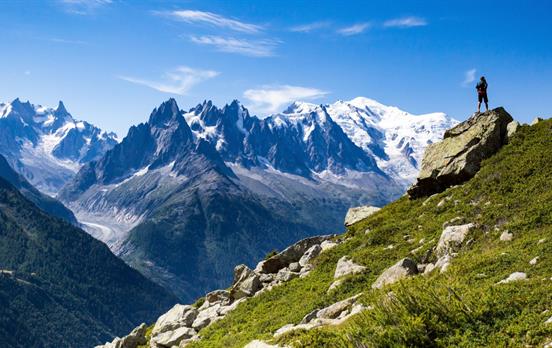
- For big-mountain scenery: Chamonix and the French Alps (Tour du Mont Blanc, GR5, Walker’s Haute Route)
- For wine and villages: Burgundy, Alsace, Loire Valley
- For hilltop villages and cuisine: Provence, and history-rich Dordogne
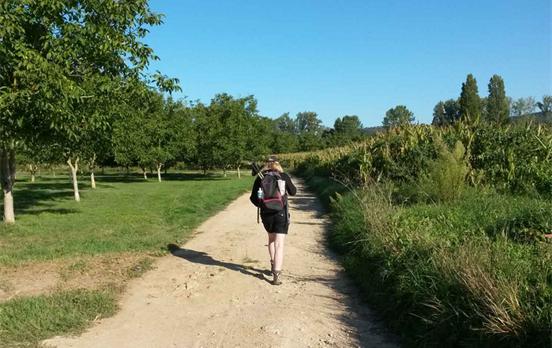
- For pilgrim paths and camaraderie: Camino Le Puy and Camino Francés
![Where is the best place to hike in France?]()
-
What should I wear on a hiking vacation in France?
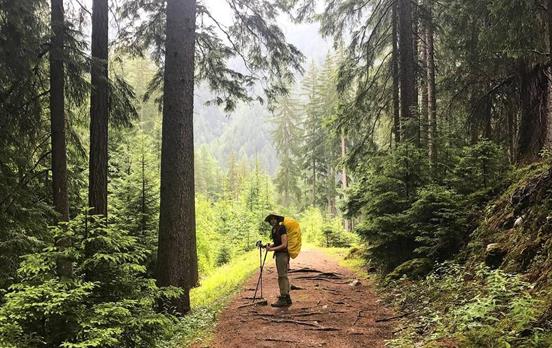
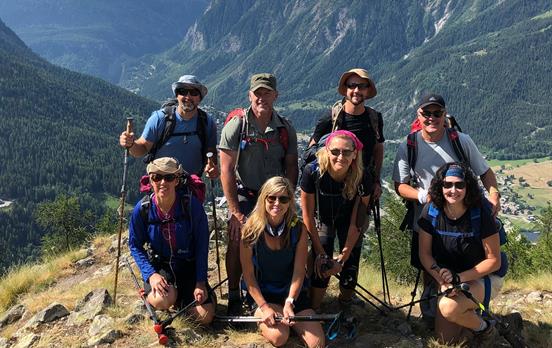
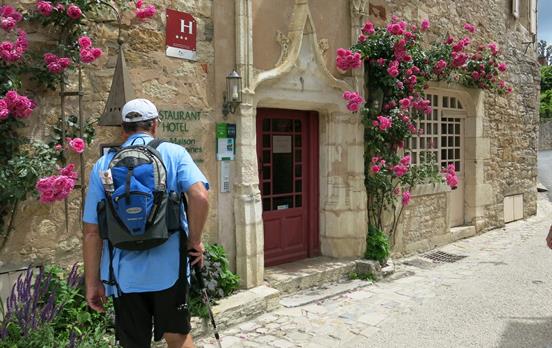
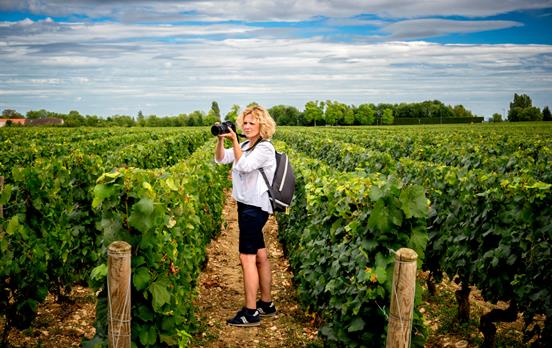
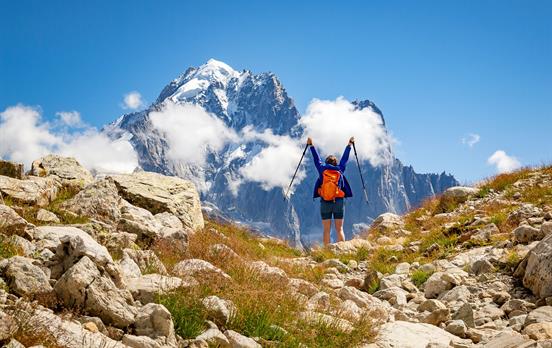
Moisture-wicking layers, a light insulated jacket, waterproof shell, quick-dry hiking pants/shorts, merino socks, broken-in hiking shoes/boots, sun hat, and a daypack. In the Alps and Pyrenees, add warm layers and gloves—even in summer. Trekking poles can also be helpful on ascents and descents.
Check out our blog for a full list: What to Pack for a Self-Guided Hike with Macs Adventure.
![What should I wear on a hiking vacation in France?]()
-
Do I need a visa to vacation in France?
For short stays of up to 90 days within a 180-day period, U.S. and Canadian citizens generally do not need a traditional visa to visit France, but travel requirements can change.
In 2025, The European Union introduced a new Entry/Exit System (EES) to register non-EU visitors at borders digitally, and the European Travel Information and Authorization System (ETIAS) will require a pre-travel authorization for visa-exempt visitors (both impact US and Canadian citizens).
Always check official guidance before you book flights and travel.
U.S. citizens can refer to the U.S. Department of State’s official travel pages: https://travel.state.gov/
Canadian citizens can consult official Canadian travel pages: https://travel.gc.ca/travelling![Do I need a visa to vacation in France?]()
-
How long does it take to walk the Camino Francés?
The full Camino Francés from Saint-Jean-Pied-de-Port (in France to Santiago de Compostela (in Spain) is ~790 km/490 miles. Most walkers take 4–6 weeks for the full route; many choose key sections over 1–2 weeks. (We can help you choose your stage.)
![How long does it take to walk the Camino Francés?]()










































 Canada